Midlife Places

Midlife Places brings together beautiful locations, quiet moments, and shared experiences — helping women find spaces where they can slow down, read, reflect, or simply feel more connected.

THERE WAS SIMPLY ENOUGH ROOM

When a place becomes part of the story

ADVERTISEMENT
MIDLIFE PLACE
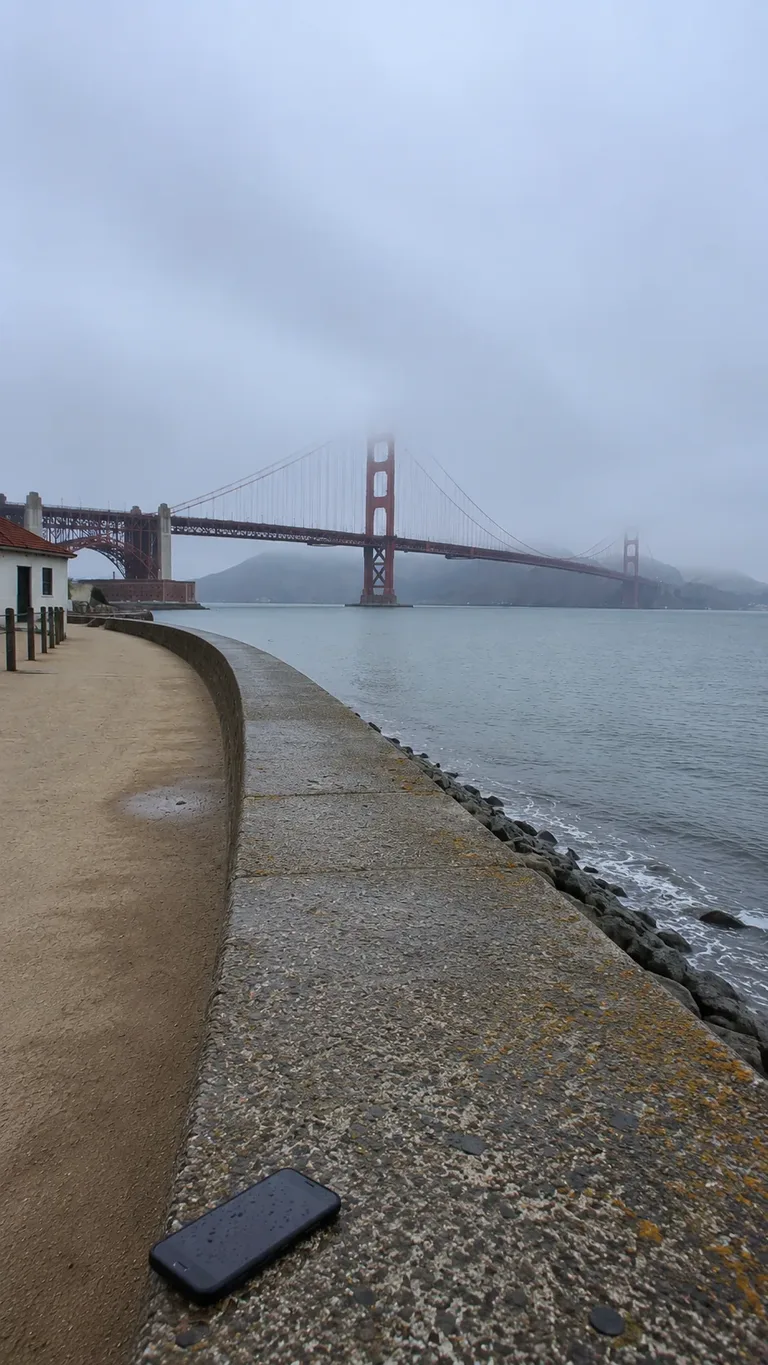
Fort Point Waterfront / Golden Gate Promenade

Fort Point Waterfront / Golden Gate Promenade

San Francisco, California

At Fort Point, the Golden Gate Bridge rises above tidal water, old brick fortifications, wind and a promenade following the bay’s exposed edge. Fog can erase distance while leaving the immediate path clear. The waterfront creates a natural stopping point for demands that feel endless, giving attention a visible boundary before it returns to the city.
Explore the place →

A place can change the way a story lands.

The same conversation feels different on a bench beside water than it does in a kitchen after a long day. A book read in a hotel room can attach itself permanently to the view outside the window. A city visited at the right moment becomes part of the memory even when nothing particularly dramatic happened there.

This is why Midlife Places exists.

Not as a travel guide and not as a list of locations women are supposed to visit in order to have meaningful lives.

Places matter because lives happen somewhere.

They happen in libraries, on waterfronts, in gardens, cafés, parks, bookshops and ordinary streets. They happen on the walk taken after an appointment, in the chair where somebody finally finished the book, at a table where a conversation became more honest because nobody had to rush home yet.

Sometimes the place is memorable because something happened there.

Sometimes it matters because nothing did.

There was simply enough room.

Midlife can make room feel valuable. So much adult life occurs inside obligation: the workplace, the house, the car between appointments, the supermarket at exactly the wrong time. A different setting interrupts the automatic choreography. You sit somewhere you are not required to organise. You walk without turning the walk into exercise. You enter a library where nobody needs an answer from you.

The mind changes pace because the surroundings have.

That does not make the place therapeutic. A bench is still a bench. A bookstore is not a treatment plan.

But environment shapes attention, and attention shapes conversation.

A friend says something while you are walking that might have sounded too large across a table. A sentence in a book feels different because you are reading it somewhere unfamiliar. A woman travelling alone notices that she has not spoken for two hours and is surprised to discover that she likes the silence.

The place enters the story without asking to become its meaning.

That is enough.

WORDS NEED SOMEWHERE TO LAND

Every Quiet Line belongs somewhere

Quiet Lines make this relationship explicit.

Every Quiet Line is place-bound.

Nine simple sentences begin in a real setting: a pier, a park, a library courtyard, a street, a garden, a stretch of water, a place where somebody paused long enough to notice what the day was carrying.

The words are small on purpose.

They do not explain the place and they do not turn it into a landmark. They hold one ordinary moment there.

This gives the Map a different kind of geography.

A pin is not only an address. It can carry a Quiet Line, an Episode, a book connection or the memory of a conversation. The same location may matter for several reasons.

A library can be a beautiful place to sit, a source of books, a community institution and the future home of a Midlife Book Club.

An independent bookstore can be a place to browse alone on Saturday morning and also somewhere a group of women begins meeting once a month.

The map allows these layers to meet.

Season One begins in the United States. The first Midlife Places are rooted there, alongside independent bookstores and libraries in the metropolitan areas the Studio is exploring.

That is a beginning, not a declaration that the map has found its final borders.

MHS is built to travel.

Future seasons may move into other regions and countries as the Studio grows, but the principle stays the same: local places make the larger conversation tangible.

A woman in another city should not need the exact bench from somebody else’s story.

She may simply need to be reminded that her own city contains places where she can read, meet, walk, sit, listen or begin a conversation.

That is why the independent bookstores and libraries matter so much.

They are not decorative pins around the Midlife Places.

They are part of the social infrastructure of reading.

FROM THE LIBRARY
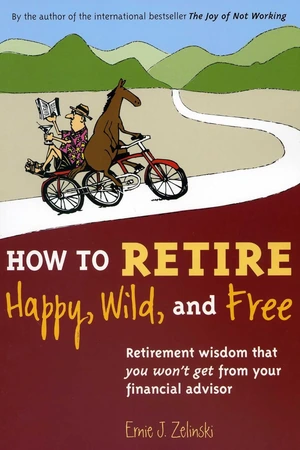
How to Retire Happy, Wild, and Free

How to Retire Happy, Wild, and Free

Ernie J. Zelinski
Freedom, play and purpose in healthy aging

Zelinski focuses on retirement’s nonfinancial foundations: purpose, health, friendship, leisure, creativity, travel, and daily structure. His unconventional approach encourages readers to build an identity and social world that remain alive after employment stops defining time and status.

Explore the book →


ADVERTISEMENT
FROM SCREEN TO PAGE TO ROOM

Where reading becomes local

Books travel beautifully, but reading is often local.

A book arrives through a library hold, a recommendation written on a card in a small shop, a friend who presses a copy into someone’s hands and says, Ignore the cover. Start on page thirty.

The Books Library inside MHS can help somebody find a title. The physical world decides what happens next.

Perhaps she borrows it from the library around the corner. Perhaps an indie store has it on the table. Perhaps she orders it and later carries it back into the same shop because a local book club is discussing it there.

That loop is important to the larger idea of Midlife Places.

MHS is not trying to replace local reading culture with a website.

It should point back toward it.

The Map therefore becomes a shared layer between Midlife Places, independent bookstores, libraries and — as the idea develops — local Midlife Book Clubs.

Some locations will simply be useful places to know. Others may become active parts of the community.

A local book club should eventually be able to register itself. A library may already host women who read together and want to be found. An independent bookstore with even a basic listing should be able to contact the Studio, correct or expand its information and tell us what is happening locally.

The system does not need to begin as a vast formal network.

That would almost certainly ruin it.

Community usually starts smaller.

A few women. One book. A table. A date people can remember.

The value is not in the scale but in making the distance between online recognition and real conversation a little shorter.

A woman reads an Episode about friendship changing in midlife. It leads her to a book. The book appears in the Library. Reading Reflections give her a way to notice what stayed. Then she discovers that a group not far from home is meeting around the same title.

The story has travelled from screen to page to room.

That is the kind of movement the Map should make possible.

MIDLIFE EPISODE
Old Friends, New Beginnings

Old Friends, New Beginnings

One old friend makes Sara fear the thirty-year life summary; another lets Mira discover that precious history can stay in memory without present closeness. Rochester becomes a meeting place for history and the woman who exists today. Zuri's motherhood friendship returns slowly enough to become…
Explore the episode →
THE MAP GROWS THROUGH ATTENTION

When the map begins to belong to other people

FROM THE LIBRARY
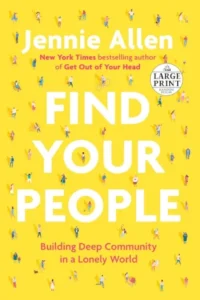
Find Your People

Find Your People

Jennie Allen
Belonging as an answer to restless sleep problems

Allen presents Christian community as something built through proximity, consistency, vulnerability, hospitality, and shared responsibility. Biblical teaching, research, and personal stories support a challenge to passive loneliness: create a wider village instead of expecting one relationship to meet every need.


Explore the book →

A map built only by the Studio would eventually become too certain of itself.

The interesting places are often the ones somebody else knows.

A small public garden behind a building nobody photographs. The library branch with the best light in the afternoon. A waterfront path where a woman walked every week while caring for her mother. A bookstore whose owner knows exactly which chair people choose when they intend to stay.

Midlife Places should be able to receive those suggestions.

So should Quiet Lines.

People can propose a place because it carries a story, because it offers the kind of pause MHS values, or because it belongs naturally in the local reading and conversation network. A Quiet Line may begin there too.

Not every suggestion will become part of the Studio. Curation still matters.

But contribution matters as well.

A community becomes more interesting when it is not only being spoken to.

This is also where the Contact page becomes part of the architecture rather than a form at the end of the website. It is the door through which a reader can say, You should know this place. A bookstore can say, We are here. A library can update a listing. A local reading group can register interest. Someone can send a Quiet Line idea rooted in a real location.

The map grows through attention.

And as it grows, it should remain possible to use it in the simplest way.

Open it. Zoom in. Find somewhere.

Perhaps all you want is a library near the hotel, an independent bookstore before dinner or a quiet place beside water.

Nothing else has to happen.

MHS does not need every visit to become a story.

But sometimes it will.

You go because a pin caught your eye. You sit longer than expected. On the way home, you send the place to someone else.

A week later she goes too.

The map has done something small and completely sufficient.

It has helped a conversation acquire geography.

ADVERTISEMENT
Scroll to Top