Self-doubt inside hormone therapy conversations
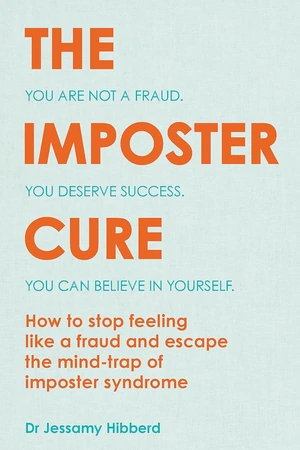
Promotion, reinvention, entrepreneurship, or returning to study can revive the fear that experience was luck and exposure is imminent. Hibberd explains how perfectionism, comparison, discounting success, and unrealistic standards maintain imposter feelings. Hormone therapy conversations may trigger similar self-doubt when a woman feels less informed than the clinician or worries about asking the “wrong” question. Within this collection, the book offers practical evidence gathering: record achievements, separate feelings from facts, define good enough, and speak before certainty arrives. Confidence is not the absence of doubt; it is acting from earned competence while allowing learning and uncertainty to remain visible.
About Jessamy Hibberd
Jessamy Hibberd wrote The Imposter Cure after repeatedly hearing capable clients conceal the same fear of being exposed. Her clinical message is intentionally normalizing: imposter feelings thrive in secrecy, comparison, and standards no real person could consistently meet.

Some links may be affiliate links. This does not affect our editorial selection.