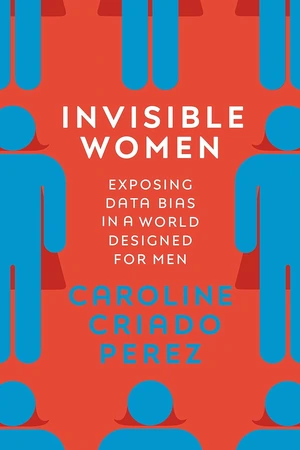
How gender data gaps shape work, care and daily life
Women’s bodies and lives are still too often treated as deviations from a male default. Criado Perez documents gender data gaps across medicine, transport, work, technology, disaster planning, public space, and unpaid care. Hormone therapy sits inside this wider problem: evidence, symptom recognition, research priorities, and clinical guidelines depend on whose data are collected and whose outcomes count. Viewed from midlife, the book turns private frustration into a systems question. Better advocacy requires more than confidence; it requires sex-disaggregated data, women involved in design and decision-making, and institutions willing to notice when “neutral” standards repeatedly fit men better.
About Caroline Criado Perez
Caroline Criado Perez encountered the gender data gap in medical research while writing an earlier book in 2014. Shocked that women were still misdiagnosed through male-default evidence, she followed the pattern into transport, work, technology, and public policy.

Some links may be affiliate links. This does not affect our editorial selection.