Memory, devotion and brain fog under artificial light
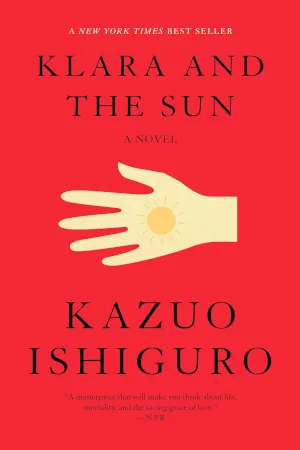
Caregiving, parenthood, illness, and advancing technology raise difficult questions about what makes a person irreplaceable. Ishiguro’s Artificial Friend observes love with extraordinary attention while the humans around her consider enhancement, sacrifice, and substitution. Questions about memory, pattern recognition, and identity give the novel a thoughtful connection to brain fog without reducing cognition to a single symptom. At this stage of life, Klara’s devotion invites reflection on aging parents, changing children, and the fear of becoming less useful. The novel ultimately asks whether love resides in measurable traits—or in relationships no copy can fully inherit.
About Kazuo Ishiguro
Kazuo Ishiguro dedicated Klara and the Sun to his mother, who died at 92 shortly before publication. Her Nagasaki memories and storytelling shaped his literary imagination, while the novel’s parent-child fears gave his late-career exploration of artificial intelligence an intimate center.

Some links may be affiliate links. This does not affect our editorial selection.