Breath, tension and the body’s joint pain signals
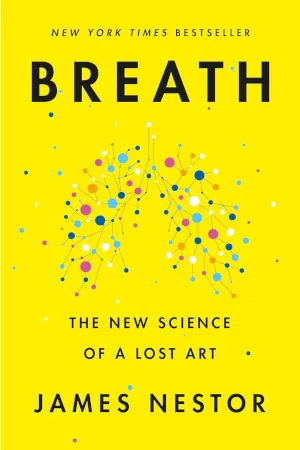
An automatic bodily function can become newly noticeable when stress, sleep, exercise, or anxiety change. Nestor explores nasal breathing, carbon dioxide tolerance, chewing, airway development, and historical breathing practices through reporting and personal experiments. Joint pain should not be attributed to breathing patterns or treated with breathwork instead of medical assessment, but slow breathing may support relaxation and awareness around discomfort. Within the MHS library, the book is most useful as an invitation to notice habits rather than accept every health claim uncritically. Breathing can influence state and recovery, yet technique, evidence, and individual medical context still matter.
About James Nestor
James Nestor traces his fascination with breathing to an assignment covering freedivers in Greece. Watching athletes transform their bodies through breath changed his career, leading him into laboratories, ancient practices, and demanding experiments—including days of forced mouth breathing.

Some links may be affiliate links. This does not affect our editorial selection.