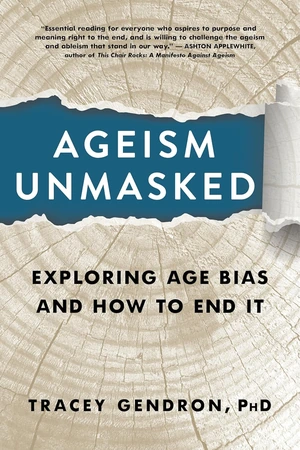
A gerontologist’s examination of ageism across language, work, healthcare, media, policy, family life, and self-perception. Gendron treats aging as lifelong development, showing how age hierarchies harm people at multiple stages and interact with ableism, sexism, racism, and inequality.

Psychological
A research-based map of eighty-seven emotions and human experiences, distinguishing concepts often treated as interchangeable. Brown connects emotional vocabulary with self-awareness, communication, empathy, boundaries, and meaningful connection while acknowledging that language cannot replace listening to another person’s account.
A behavior-change guide built around small improvements, environmental design, identity, cues, rewards, and repeatable systems. Clear explains how habits become easier or harder according to their context, emphasizing consistency and recovery from lapses rather than relying on motivation or dramatic goals.
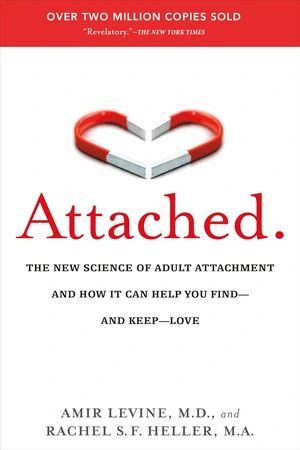
A popular introduction to adult attachment in romantic relationships, organized around anxious, avoidant, and secure patterns. Levine and Heller connect closeness, dependence, conflict, and partner selection with attachment needs, while the categories are most useful as flexible tendencies rather than permanent diagnoses.
Gilbert argues for creative living without waiting for fearlessness, permission, genius, or financial reward. Stories and practical philosophy address curiosity, persistence, discipline, ideas, rejection, and perfectionism, making creativity compatible with ordinary responsibility rather than dependent on dramatic reinvention.
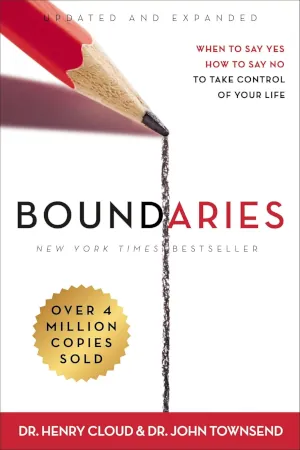
A faith-informed guide to recognizing personal responsibility and setting limits in relationships, work, family, and caregiving. Cloud and Townsend distinguish boundaries from rejection, showing how unspoken limits can produce resentment, enabling, exhaustion, and confusion about what one person truly owes another.
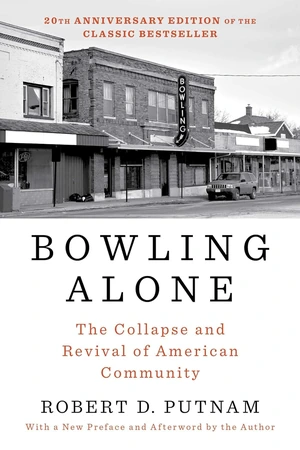
A landmark study of declining American civic participation and social capital across clubs, volunteering, religious groups, informal visits, associations, and political life. Putnam connects weakened networks with trust, health, democracy, and community capacity while distinguishing bonding ties from bridges across difference.
A lyrical braid of botany, Potawatomi teachings, motherhood, ecology, restoration, and memoir. Kimmerer brings Indigenous knowledge and Western science into conversation, asking how gratitude, reciprocity, gift economies, language, and responsibility can reshape human relationships with land and nonhuman life.
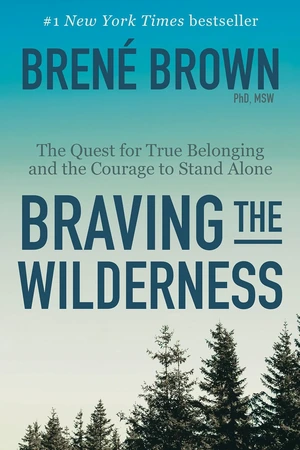
Brown distinguishes true belonging from reshaping oneself for approval in a polarized culture. Research and personal stories examine integrity, boundaries, civility, loneliness, collective pain, and the courage to stand alone without withdrawing from shared humanity.
Kross examines the inner voice and the moment reflection becomes rumination. Behavioral and brain research lead to tools such as distanced self-talk, perspective, ritual, nature, and carefully chosen support, all aimed at making mental narration more useful and less consuming.
A business argument against growth as the automatic measure of success. Jarvis encourages entrepreneurs to define enough, protect profitability, serve existing customers, build resilience, automate carefully, and use a smaller company to preserve autonomy, craft, boundaries, and quality of life.
A data-driven guide to early-parenting decisions including feeding, sleep, childcare, vaccination, discipline, and parental wellbeing. Oster examines research quality and trade-offs without claiming one correct family model, combining evidence with the practical reality that preferences and circumstances differ.
A communication framework for discussions where stakes, opinions, and emotions are high. The authors teach readers to restore safety, distinguish facts from interpretations, state concerns clearly, invite other perspectives, and turn difficult dialogue into better decisions rather than silence or aggression.
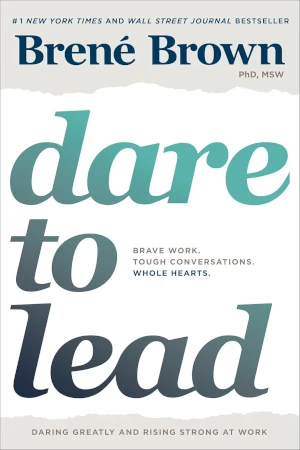
Brown translates vulnerability, trust, values, feedback, accountability, and difficult conversations into workplace behavior. Courageous leadership emerges not from emotional performance but from replacing armor and perfectionism with curiosity, boundaries, clarity, and a willingness to learn where others can see it.
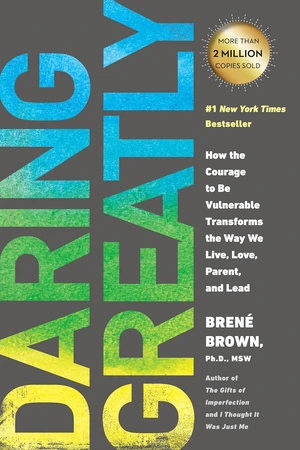
Brown positions vulnerability—uncertainty, risk, and emotional exposure—as essential to courage, connection, creativity, parenting, and leadership. Shame, perfectionism, numbing, and defensive armor receive equal attention, alongside the distinction between meaningful openness and disclosure without judgment or boundaries.
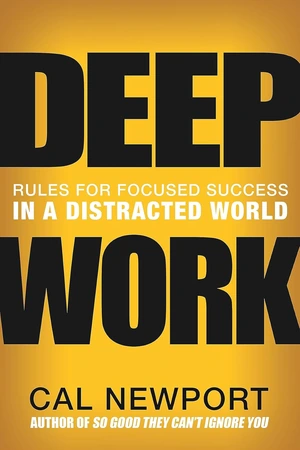
A case for sustained, distraction-free concentration on cognitively demanding work. Newport explains why constant switching and shallow communication erode valuable attention, then offers scheduling, rituals, digital boundaries, and deliberate practice for making focused work more regular and realistic.
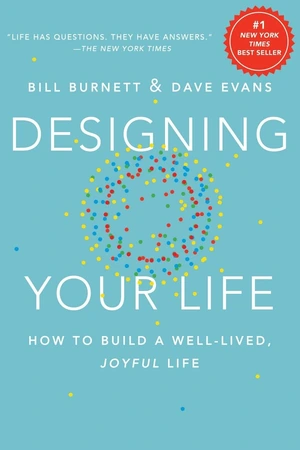
A design-thinking framework for life and career decisions using reframing, alternative future plans, prototypes, conversations, and small experiments. Burnett and Evans replace the search for one perfect calling with a practical process for learning what could work.
Newport proposes a thirty-day digital declutter followed by deliberate choices about technology, solitude, leisure, conversation, and attention. The goal is not rejection of useful tools but a life in which values determine use instead of platforms determining habits.
McKeown builds a disciplined case for doing less but better: identify the vital few, accept trade-offs, and remove nonessential demands. Practical tools protect attention, create space, strengthen boundaries, and make deliberate contribution more important than constant activity.
A practical system for making invisible household and caregiving labor visible, discussable, and more equally owned. Rodsky organizes responsibilities from conception through planning and execution, while defending each partner’s right to time, rest, work, and personally meaningful “unicorn space.”
A philosophical antidote to productivity culture built around the fact that a human life is radically finite. Burkeman argues that accepting limits, uncertainty, and unfinished work creates better priorities than trying to optimize every hour or postpone living until the schedule is finally controlled.
An illustrated guide to intrusive thoughts, postpartum anxiety, depression, shame, and the pressures of idealized motherhood. Kleiman and McIntyre normalize common frightening thoughts while helping readers distinguish distress from intention and recognize when qualified assessment or urgent support is necessary.
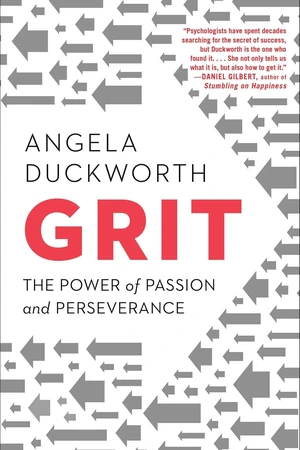
Duckworth argues that achievement often depends on sustained passion and perseverance as well as talent. Deliberate practice, purpose, hope, coaching, and goal hierarchy shape grit, though the concept remains strongest when structural opportunity, changing circumstances, and wise quitting stay visible.
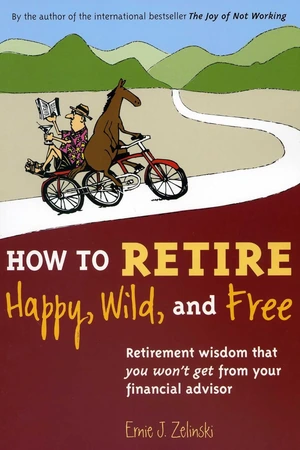
Zelinski focuses on retirement’s nonfinancial foundations: purpose, health, friendship, leisure, creativity, travel, and daily structure. His unconventional approach encourages readers to build an identity and social world that remain alive after employment stops defining time and status.
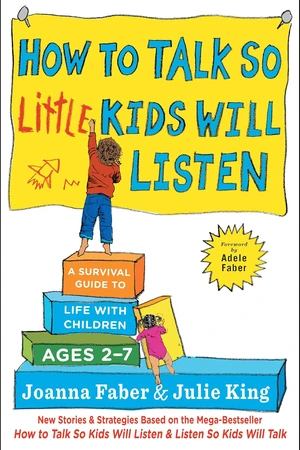
Faber and King offer scripts and illustrated examples for adults caring for children ages two to seven. Feelings are acknowledged while limits remain clear, giving parents alternatives to threats, punishment, lectures, and power struggles around cooperation, aggression, and problem-solving.
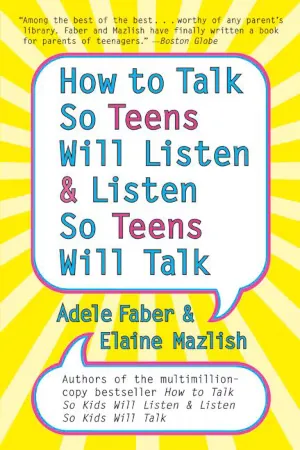
Faber and Mazlish give parents of adolescents language for listening, acknowledging emotion, gaining cooperation, solving problems, and setting limits. Their approach reduces lectures, punishment, and power struggles without surrendering adult responsibility, safety, or respectful expectations.
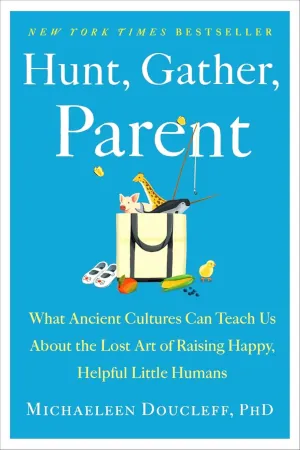
A cross-cultural parenting account based on Doucleff’s travels with her young daughter among Maya, Inuit, and Hadzabe families. She emphasizes contribution, autonomy, adult calm, storytelling, and shared daily life, though Indigenous communities should not be generalized into one timeless or universally transferable model.
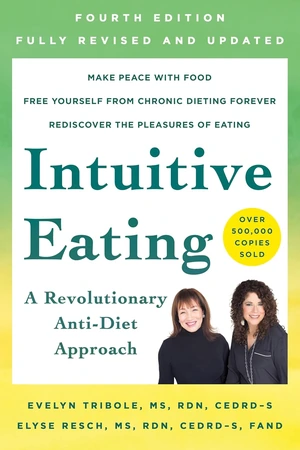
A weight-neutral, evidence-based framework for rebuilding trust with food and body through ten principles. Tribole and Resch challenge dieting, food morality, and external rules while integrating hunger, satisfaction, emotion, movement, body respect, and gentle nutrition without promising weight loss.
A global investigation of the gender data gap across medicine, transport, work, technology, disaster planning, public space, and unpaid care. Criado Perez shows how supposedly neutral systems repeatedly use men as the default, creating measurable risks and exclusions for women.
Sandberg addresses ambition, leadership, negotiation, mentorship, partnership, and workplace confidence through research, personal stories, and practical advice. The book remains influential and contested because individual behavior cannot replace structural reform, affordable care, flexibility, or equal opportunity.
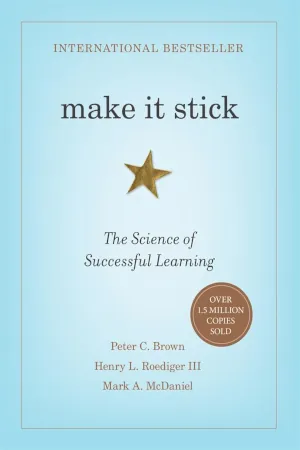
A science-based guide to durable learning through retrieval, spacing, interleaving, testing, and productive difficulty. Brown, Roediger, and McDaniel explain why familiar techniques such as rereading and cramming feel effective while often producing weaker long-term understanding and recall.
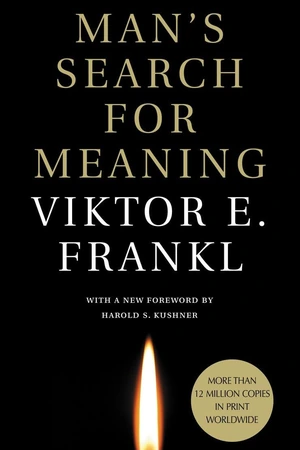
A Holocaust memoir and introduction to logotherapy, Frankl’s meaning-centered therapeutic approach. Drawing on concentration-camp imprisonment and later clinical work, he explores responsibility, love, work, suffering, and the human capacity to choose one’s stance when circumstances cannot be changed.
A candid therapy memoir told from both sides of the couch. Gottlieb follows several patients while becoming a patient herself, using humor and vulnerability to explore grief, relationships, mortality, self-deception, change, and the stories people construct to survive.
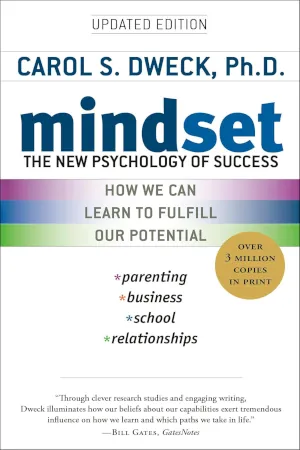
A psychology-based account of how beliefs about ability shape responses to effort, challenge, criticism, and failure. Dweck contrasts fixed and growth mindsets, showing how learning improves when setbacks become information—while emphasizing that growth requires effective strategies and support, not effort alone.
A research-based challenge to self-objectification and appearance-centered body positivity. The Kite sisters show how living as an observer of one’s body can drain attention, confidence, and joy, replacing the demand to feel beautiful with the steadier practice of body image resilience.
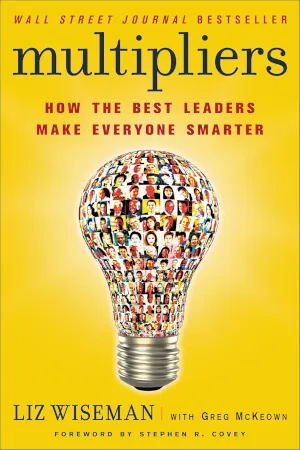
A leadership framework contrasting Multipliers, who expand other people’s intelligence and ownership, with Diminishers who unintentionally suppress capability. Wiseman identifies practices involving talent, challenge, debate, decision-making, and investment, helping managers replace rescue and control with conditions for stronger contribution.
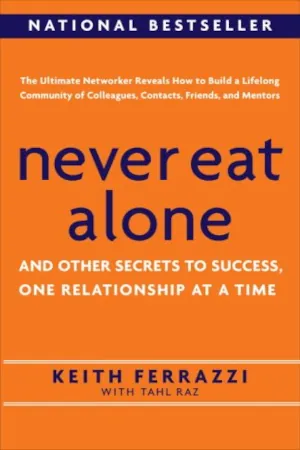
A relationship-centered guide to networking built on generosity, preparation, follow-through, and genuine interest rather than collecting contacts. Ferrazzi treats community as something cultivated over time, showing how professional opportunity and personal support often grow from the same consistent habits of connection.
A brain-informed parenting guide that reframes discipline as teaching rather than punishment. Siegel and Bryson show how connection can reduce escalation, how children build regulation through relationships, and how clear limits, reflection, and repair can turn conflict into developmental learning.
A communication framework organized around observations, feelings, needs, and requests. Rosenberg aims to replace blame, diagnosis, and coercion with honesty and empathic listening, while the method remains compatible with clear boundaries, disagreement, accountability, and ending unsafe interactions.
A parenting guide linking attachment, neuroscience, memory, and personal history. Siegel and Hartzell show how unresolved childhood experiences can shape reactions to children, offering reflective exercises that help parents understand triggers, repair ruptures, and respond with greater awareness rather than inherited autopilot.
A parenting framework built around empathy, limited choices, enforceable boundaries, and natural or logical consequences. Cline and Fay aim to shift responsibility gradually toward children and reduce power struggles, although some examples benefit from updated developmental, relational, and safety-informed interpretation.
An attachment-based guide to making and sustaining adult friendship through initiative, vulnerability, affection, conflict, and consistency. Franco challenges the idea that friendship should happen effortlessly or rank below romance, showing how secure connection can be built deliberately across changing stages of life.
Weir sends an amnesiac teacher into a science-driven survival mission involving experiments, engineering, extinction risk, and an unexpected alien partner. Humor and friendship keep the technical problem-solving accessible, giving the adventure emotional momentum as well as intellectual pleasure.
Cain challenges the “Extrovert Ideal” in schools and workplaces through temperament research, history, interviews, leadership, creativity, stimulation, and solitude. Her argument is environmental as much as personal: introverts contribute best when depth, preparation, and lower-intensity interaction are possible.
Brach addresses shame, fear, and the belief of being fundamentally inadequate through Buddhist psychology. Meditation, compassion, stories, and the RAIN practice show how accepting present experience can support change without turning pain into identity or acceptance into resignation.
Clarke-Fields begins with adult self-regulation rather than child behavior. Meditation, nervous-system awareness, respectful communication, boundaries, cooperation, and repair support a parenting practice based on repetition, self-compassion, and accountability instead of the fantasy of permanent calm.
A research-rich case for breadth, experimentation, and delayed specialization in complex fields. Epstein draws on sports, science, music, invention, and career change to show how varied experience can improve adaptation, analogy, creativity, and problem-solving before deeper expertise develops.
A self-help introduction to schema therapy and the recurring emotional patterns Young and Klosko call lifetraps. Through case examples, questionnaires, and exercises, readers learn how childhood expectations can shape relationships, self-worth, dependence, mistrust, self-sacrifice, and choices in adult life.
A manifesto that reframes rest as liberation rather than reward. Hersey connects exhaustion with capitalism, racism, inherited trauma, and productivity culture, inviting readers to reclaim naps, stillness, imagination, and bodily autonomy without turning recovery into another task to perform efficiently.
Neff introduces self-compassion as mindfulness, common humanity, and kindness directed inward during difficulty. The method addresses shame and perfectionism while drawing a clear line between compassion and passivity, self-indulgence, emotional avoidance, or simply lowering personal standards.
Tawwab turns boundaries into concrete behavior across work, family, friendship, technology, and self-care. Scripts and examples address guilt, resentment, overcommitment, and other people’s reactions, emphasizing that a limit only becomes real when communication is followed by consistent action.
A spiritual novel following a young seeker through asceticism, wealth, love, loss, fatherhood, and the lessons of a river. Hesse rejects second-hand enlightenment, suggesting that wisdom cannot be transferred as doctrine but must be discovered through the contradictions of lived experience.
A case-driven guide to building small businesses from useful skills, limited capital, and direct customer value. Guillebeau favors experimentation over elaborate planning, offering practical lessons for people who want greater autonomy, flexible income, or a venture that serves life rather than consuming it.
A spiritual fable about an Andalusian shepherd pursuing a recurring dream across North Africa. Coelho explores purpose, fear, work, love, omens, and the “Personal Legend,” though the novel’s faith in destiny can understate structural barriers, luck, and conflicting responsibilities.
Bourne covers panic, phobias, generalized anxiety, obsessive-compulsive symptoms, trauma-related distress, worry, and fear through a broad self-help program. Relaxation, breathing, exposure, cognitive methods, lifestyle factors, and treatment information are best used selectively and with professional care when needed.
A social psychologist’s argument that smartphones, social media, reduced independence, and declining free play have reshaped childhood and adolescent mental health. Haidt proposes collective norms around devices, schools, age limits, and real-world play, while some causal claims remain actively debated.
Parker treats gatherings as designed experiences rather than collections of food, décor, and familiar convention. Clear purpose shapes invitations, authority, rules, openings, conflict, and endings, allowing dinners, meetings, rituals, and conferences to become more focused, generous, and memorable.
A scholarly history of the memory systems developed from antiquity through the Renaissance. Yates shows how imagined places, vivid images, rhetoric, philosophy, and spirituality shaped methods of remembering—revealing memory as a cultural and creative practice rather than a simple mental storage function.
Kamenetz rejects both digital panic and unrestricted access in family life. Expert evidence and hundreds of parent interviews support shared use, purposeful content, realistic limits, offline balance, and attention to what screens enable, replace, or quietly crowd out.
A brief, lyrical meditation on stillness in an accelerated world. Iyer draws on travel, monasteries, technology, silence, and voluntary retreat to argue that stepping away from constant movement can restore perspective, attention, and a more deliberate relationship with activity.
A cognitive-behavioral workbook for distinguishing passive, aggressive, passive-aggressive, and assertive communication. Paterson uses exercises, scripts, and behavioral practice to help readers make requests, refuse demands, give feedback, handle disagreement, and express themselves without abandoning respect or responsibility.

Sieghart investigates why women’s expertise is more readily doubted, interrupted, or overlooked. Studies and interviews from politics, business, culture, and public life reveal how authority bias operates and where individuals and institutions can begin to challenge it.
An influential feminist critique of beauty standards as political and economic pressures that consume women’s time, money, health, and authority. Wolf’s framework remains culturally important, but its limited intersectionality and seriously overstated anorexia statistics require critical separation of insight from unreliable evidence.

Cash uses education, diaries, exposure, cognitive restructuring, and behavioral practice to address body dissatisfaction, checking, avoidance, appearance preoccupation, and harsh self-talk. The workbook builds acceptance through active experiments rather than reassurance or pressure to feel positively about appearance at all times.
A manifesto that moves from individual body confidence toward collective liberation. Taylor examines how body hierarchies are taught, enforced, and internalized, then offers reflection and action around shame, apology, inherited bias, and the social conditions required for every body’s dignity.

Van der Kolk traces how traumatic stress can shape memory, emotion, relationships, and bodily experience. Clinical stories, neuroscience, and body-oriented approaches support his argument that recovery often depends on safety, connection, movement, and renewed ownership of the physical self.
A week-long conversation between the Dalai Lama and Desmond Tutu about finding joy amid suffering. Their stories, humor, spiritual traditions, and friendship explore perspective, humility, gratitude, forgiveness, compassion, and the daily practices that keep hardship from defining an entire life.
A compact guide to coaching through seven repeatable questions rather than reflexive advice. Bungay Stanier helps managers identify the real challenge, clarify what people want, define useful support, and build autonomy while making curiosity an everyday leadership habit.
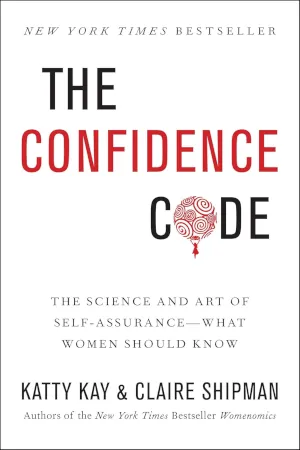
Kay and Shipman investigate confidence through interviews, psychology, neuroscience, genetics, and workplace research. They argue that action, risk, and tolerance for failure build self-assurance, while acknowledging that culture, opportunity, power, and organizational conditions shape whose confidence is rewarded.
A dialogue introducing Adlerian psychology through questions of freedom, responsibility, inferiority, interpersonal tasks, contribution, and approval. Kishimi and Koga challenge deterministic readings of the past, though their rejection of trauma as causally decisive can feel overly absolute beside trauma-informed psychology.
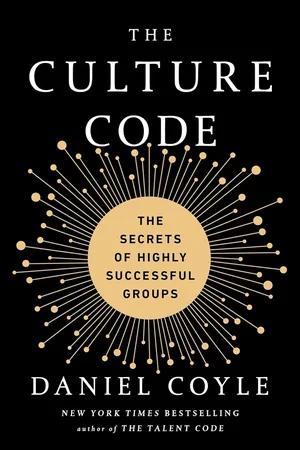
A reported exploration of how successful groups create psychological safety, shared vulnerability, and clear purpose. Coyle examines teams across sports, business, creativity, and the military, focusing on the small repeated signals that turn cooperation and belonging into an everyday culture.

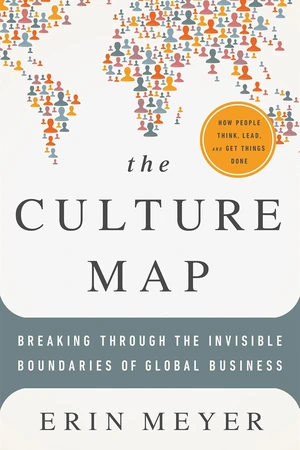
A cross-cultural management framework covering communication, evaluation, persuasion, leadership, decision-making, trust, disagreement, and scheduling. Meyer helps global teams compare relative cultural patterns, although national tendencies should guide curiosity rather than become stereotypes applied to every individual.
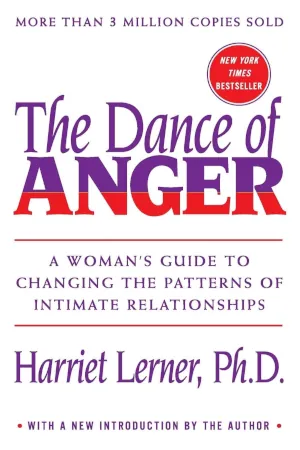
A family-systems guide that treats women’s anger as information about stuck relational patterns rather than a defect to suppress. Lerner examines pursuit, distance, overfunctioning, underfunctioning, blame, and responsibility, helping readers change their own steps without assuming they can control another person.
A cultural guide to Danish parenting built around play, authenticity, reframing, empathy, and togetherness. Alexander and Sandahl offer practical ways to reduce pressure and strengthen resilience, inviting families to examine their emotional climate rather than chase a perfect parenting formula.
Burns provides structured exercises for depression, anxiety, guilt, procrastination, relationship conflict, and communication. Readers identify distorted thoughts, test assumptions, solve problems, and change behavior through repeated practice, making the workbook more active than a collection of comforting insights.
A teacher-parent’s argument that overprotection can undermine children’s motivation, competence, and resilience. Lahey offers practical guidance for homework, grades, sports, friendships, and household responsibility, helping adults provide safety and empathy without rescuing children from every manageable mistake or consequence.
A practical examination of intuition, manipulation, stalking, and the warning patterns that may precede violence. De Becker distinguishes specific fear from generalized anxiety, helping readers notice coercive behavior, resist pressure to remain polite, and respond to credible danger with clearer action.
A guide to wholehearted living through authenticity, self-compassion, resilience, gratitude, creativity, rest, play, meaningful work, and belonging. Brown organizes the book around letting go of perfectionism, comparison, anxiety, and social expectations while cultivating practices that support genuine participation.
A reported critique of the expectation that employment should provide income, identity, status, purpose, and community all at once. Stolzoff profiles workers across industries and argues for broader sources of meaning, stronger limits, and jobs that support life rather than consuming it.
A one-year personal experiment in happiness organized around energy, relationships, work, money, mindfulness, play, and everyday habits. Rubin tests concrete resolutions rather than prescribing dramatic reinvention, though the book’s relatively privileged circumstances limit how universally its choices can be applied.
An accessible introduction to Acceptance and Commitment Therapy built around defusion, acceptance, values, present-moment awareness, and committed action. Harris challenges the pursuit of constant positive feeling, helping readers reduce struggle with thoughts while still moving toward a meaningful life.
Lyubomirsky examines which intentional activities can genuinely increase wellbeing, including gratitude, kindness, connection, and meaningful goals. Her central caution is equally important: no single practice suits everyone, and lasting benefit depends on personal fit, variety, timing, and realistic expectations.
Hibberd examines imposter feelings through perfectionism, comparison, discounted success, fear of exposure, and impossible standards. Exercises help readers gather evidence, revise self-beliefs, redefine competence, tolerate uncertainty, and act before confidence or external validation feels complete.
Leahy treats jealousy as understandable without excusing possessiveness or control. Rumination, checking, reassurance seeking, comparison, and intolerance of uncertainty are examined through cognitive and emotional tools that separate the feeling itself from harmful behavior and improve direct communication.
A candid guide to the transition from individual contributor to manager, covering one-to-ones, feedback, hiring, meetings, team design, and difficult decisions. Zhuo treats management as a learnable practice shaped by clarity, trust, reflection, and the ability to help other people succeed.
A science-based family guide to earlier puberty in girls, covering hormonal timing, body composition, environmental exposures, stress, emotional development, and social pressure. Greenspan and Deardorff help adults discuss changing bodies without shame while distinguishing physical development from psychological readiness.
A performance framework arguing that energy, not time, is the fundamental resource behind sustained effectiveness. Loehr and Schwartz connect physical, emotional, mental, and spiritual capacity with deliberate recovery, positive rituals, and the athlete’s pattern of stress followed by renewal.
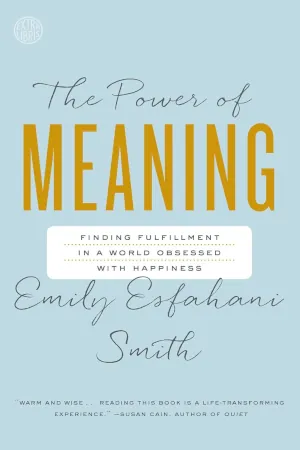
Smith organizes meaning around belonging, purpose, storytelling, and transcendence. Psychology, philosophy, spiritual traditions, and personal stories support the argument that significance grows through ordinary relationships and contribution, not only through happiness, achievement, or dramatic life purpose.
An attachment-based parenting guide organized around helping children feel safe, seen, soothed, and secure. Siegel and Bryson translate developmental neuroscience into practical presence and repair, emphasizing that reliable enough connection—not flawless parenting—supports resilience across childhood and later life.
Brooks describes a second life phase organized around vocation, family, philosophy or faith, community, and service rather than achievement alone. Personal reflection and social commentary frame deeper commitment as an answer to success that has become emotionally insufficient.
A psychiatrist’s exploration of gardening, mental health, history, neuroscience, therapeutic practice, and personal recovery. Stuart-Smith shows how cultivation can support agency, attention, memory, hope, and connection while avoiding the claim that gardens replace appropriate psychological or medical care.
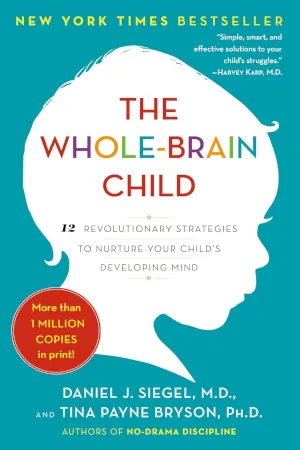
A practical translation of child-development neuroscience into twelve strategies for handling meltdowns, fear, memory, conflict, and emotional growth. Siegel and Bryson explain integration across different brain functions, giving parents language and exercises that make regulation, storytelling, connection, and repair easier to practice.
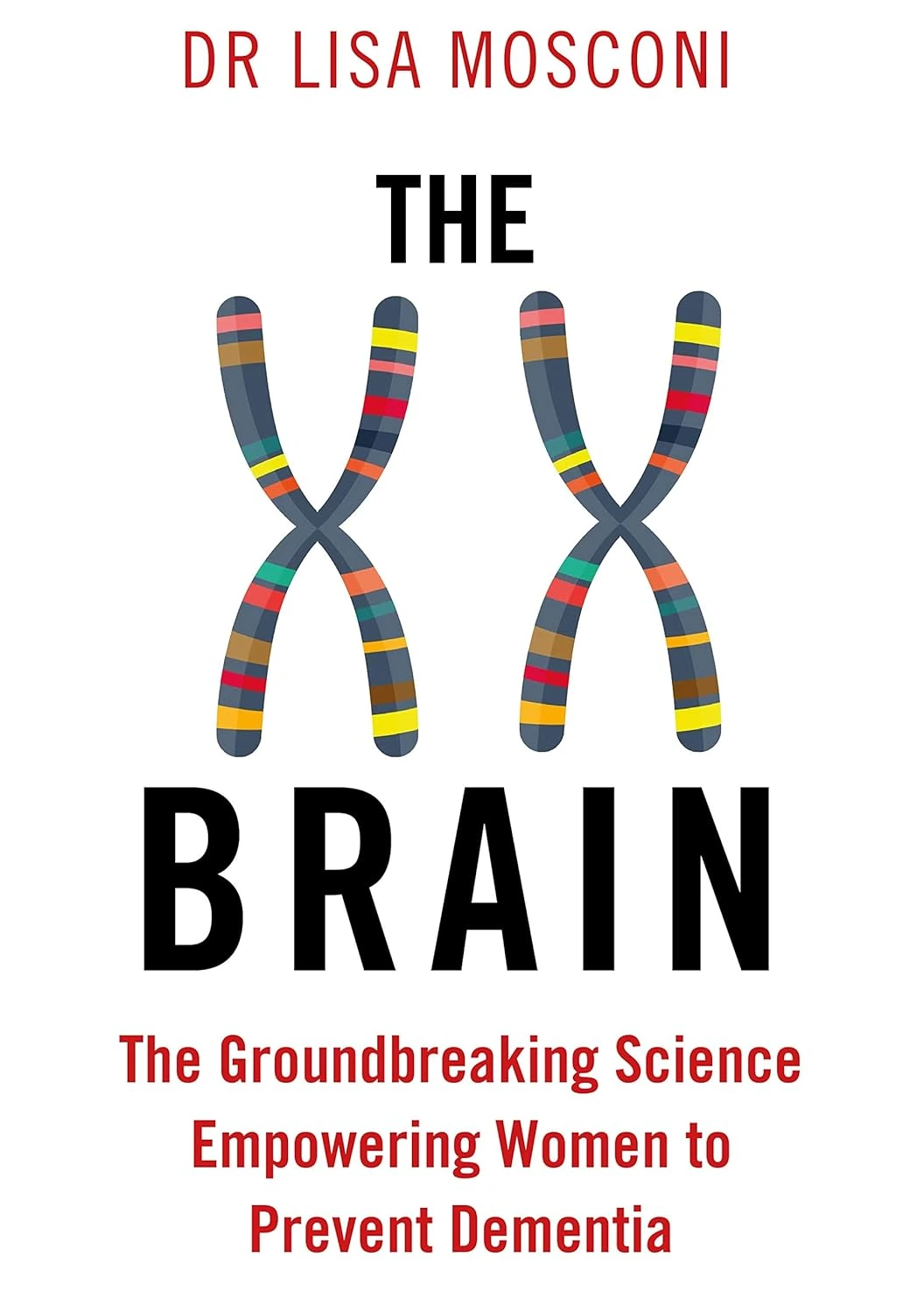
A research-based exploration of women’s brain health across hormones, sleep, stress, metabolism, and aging. Mosconi explains why female risks and experiences can differ, while translating complex neuroscience into practical questions about cognition, emotional balance, and long-term prevention.
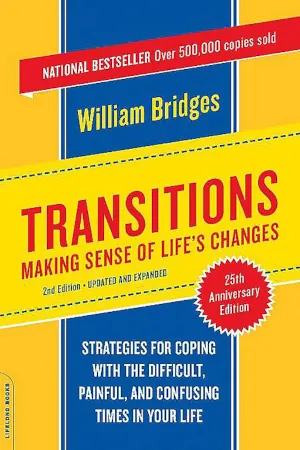
A classic framework distinguishing external change from internal transition. Bridges describes three psychological phases—ending, the neutral zone, and new beginning—helping readers understand why identity and confidence may lag behind events such as retirement, divorce, relocation, illness, or career change.
Damour organizes adolescence around seven developmental transitions, from separating from childhood to entering adulthood. Her framework helps parents interpret conflict, friendship, risk, romance, and independence while remaining available, distinguishing useful guidance from control and healthy separation from rejection.
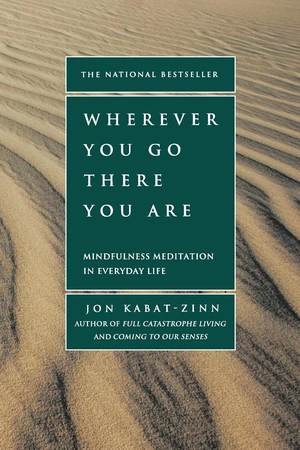
An accessible collection of short mindfulness reflections and practices for sitting, walking, breathing, sensing, and meeting ordinary life with nonjudgmental awareness. Kabat-Zinn presents meditation not as escape or self-improvement, but as repeated attention to the moment already happening.
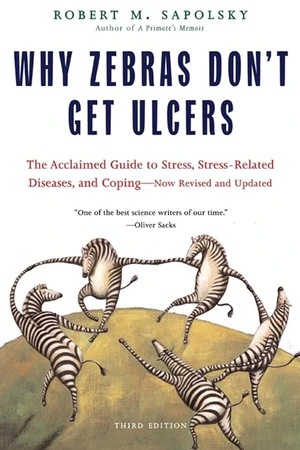
A witty, wide-ranging explanation of stress physiology and the health consequences of activating emergency systems for prolonged psychological strain. Sapolsky connects hormones, immunity, cardiovascular health, memory, mood, sleep, and social conditions while resisting simplistic advice that blames stressed individuals.