Pelz reframes menopause and aging as neurological, metabolic, and personal change rather than simple decline. Lifestyle advice sits beside a strong second-half narrative about habits, leadership, boundaries, and identity, though health claims still deserve careful evaluation.
Physical
Nestor investigates nasal breathing, carbon dioxide tolerance, sleep, anatomy, freediving, and historical respiratory practices through reporting and personal experiments. The book is provocative and readable, though its broader health claims deserve interpretation rather than automatic acceptance as settled medical guidance.
Burnout explains why removing a stressor does not automatically complete the body’s stress response. The Nagoski sisters connect physiology, gender expectations, movement, rest, affection, and meaning, replacing individual failure with a wider account of how exhaustion develops and recovery begins.
A compassionate, science-based guide to desire, arousal, and pleasure that explains why context matters. Nagoski replaces shame with curiosity, helping readers understand stress, body image, and relationship safety so changing intimacy can be explored rather than treated as evidence of failure.
A candid collection of surgical stories about fallibility, uncertainty, innovation, training, and difficult judgment. Gawande examines how capable clinicians learn, make errors, and act with incomplete information, presenting medicine as a human practice that requires both technical skill and humility.
A practical, plain‑spoken guide to the menopause years, covering symptoms, treatments, lifestyle shifts, and what to ask your doctor. Written with warmth and wit, it helps you sort myths from facts and feel more prepared for what’s next.
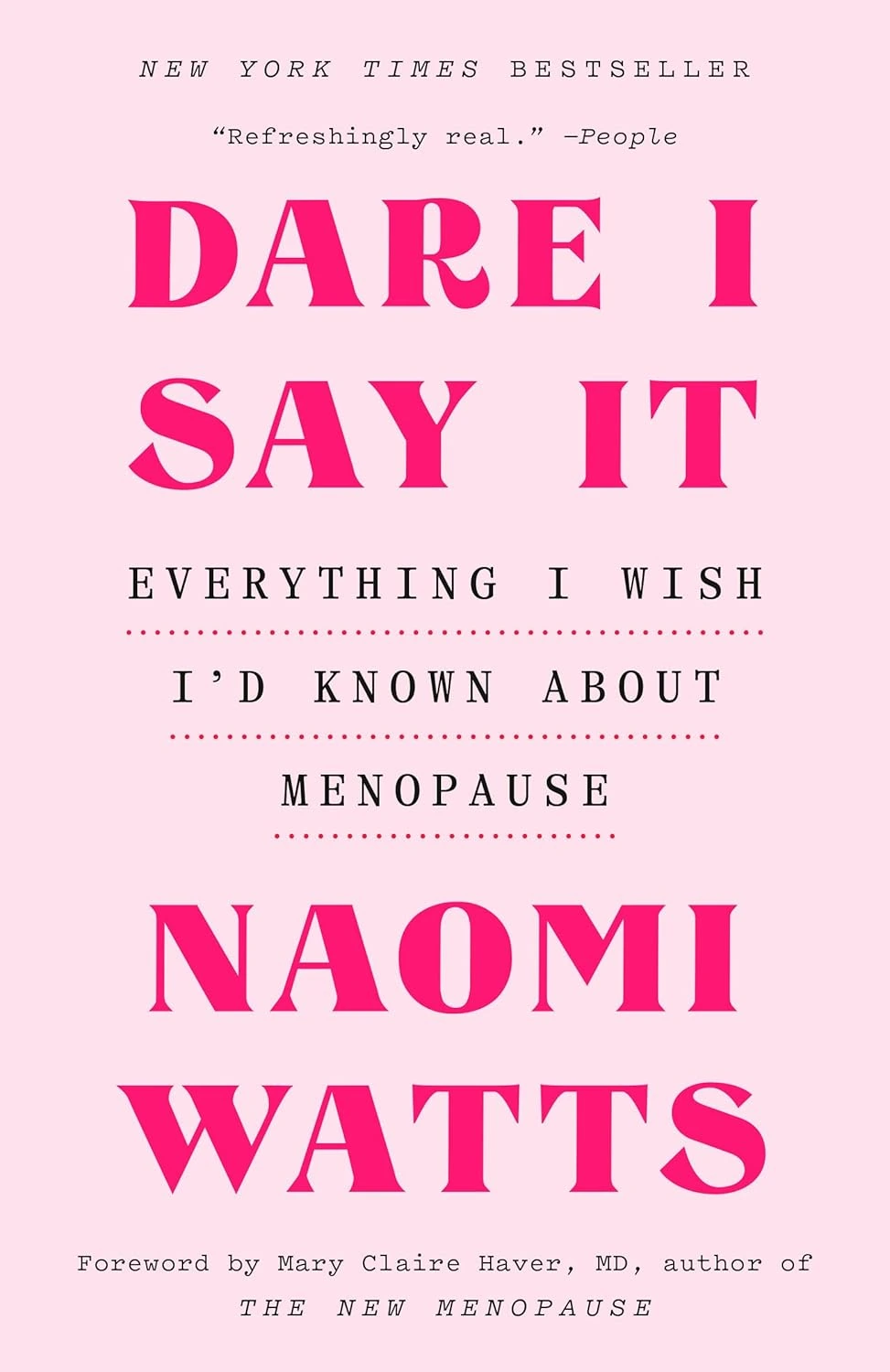
A sharp, funny, and honest midlife memoir about what changes in the body, the mirror, and the mind. Watts names the awkward parts out loud and makes space for curiosity instead of shame. A quick read with real relief.
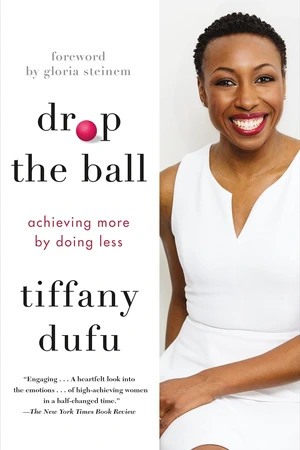
A memoir-manifesto about perfectionism, invisible labor, partnership, leadership, and women’s time. Dufu describes learning to release unrealistic expectations, share responsibility, communicate priorities, and accept different standards so domestic competence no longer consumes ambition, health, or joy.
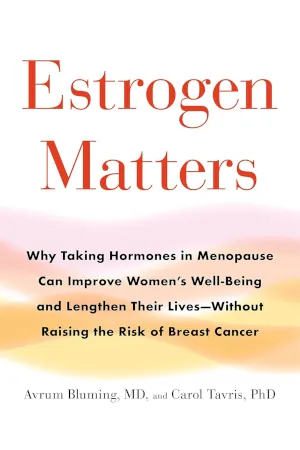
An evidence-focused reassessment of estrogen, menopause, breast cancer, heart health, bones, and cognition. Bluming and Tavris challenge influential interpretations of hormone research, explaining statistics and medical history while arguing for more informed, individualized conversations between women and their clinicians.
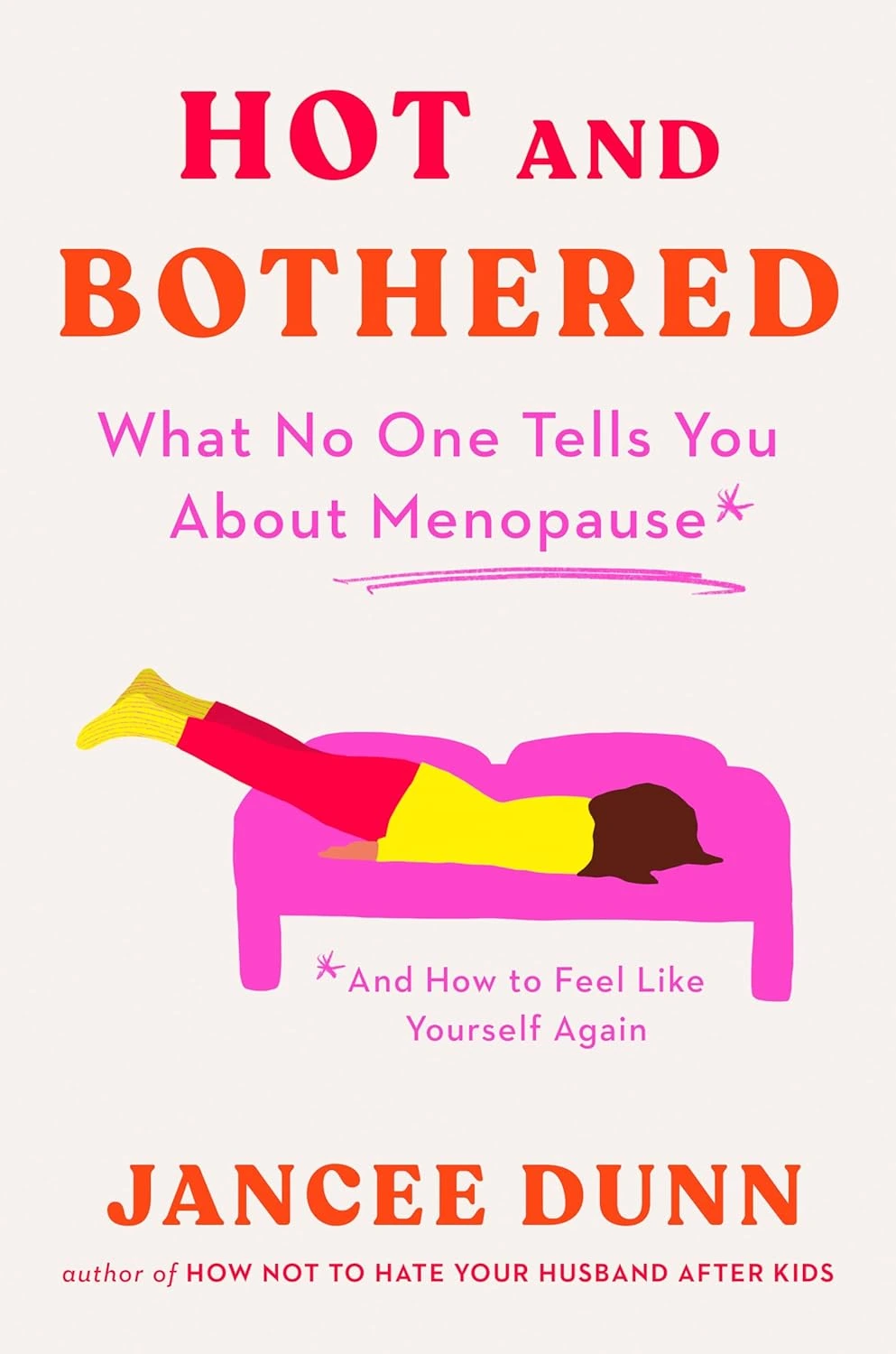
A lively mix of memoir, reporting, and expert interviews about the symptoms and surprises of menopause. Dunn brings humor to sleep, sex, mood, skin, and treatment questions, making complex information easier to absorb without pretending the transition is simple or identical for everyone.
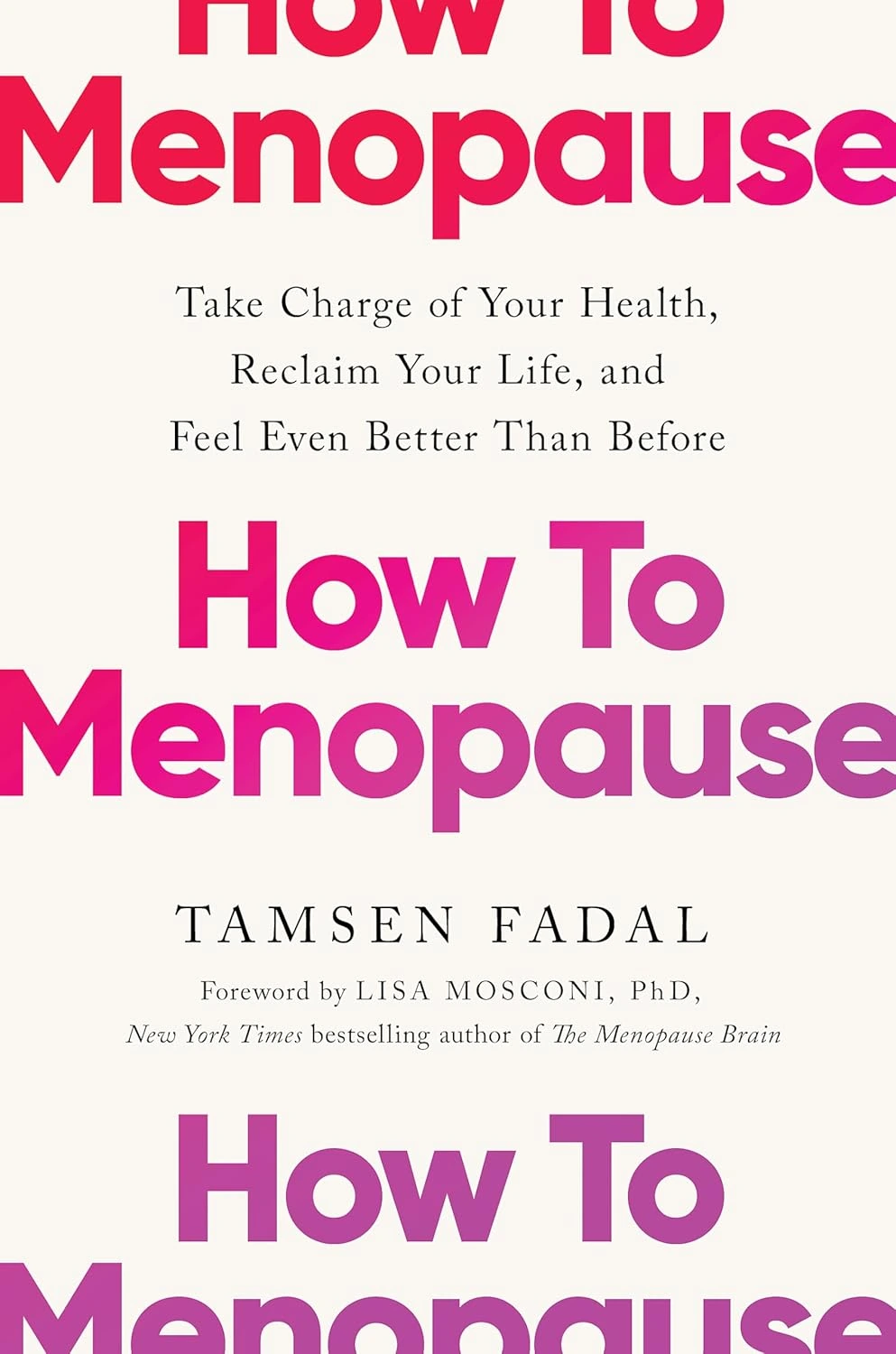
Fadal approaches menopause as a journalist and patient, moving between symptoms, appointments, treatment choices, and life beyond the transition. Expert interviews and lived experience help readers organize questions, understand options, and speak confidently in clinical settings.
A specialist scientific reference covering menopause biology, epidemiology, organ-system pathophysiology, pharmacology, diagnosis, and intervention as understood around 2000. Its breadth remains historically informative, but current treatment decisions require newer evidence, updated guidelines, and individualized clinical assessment.
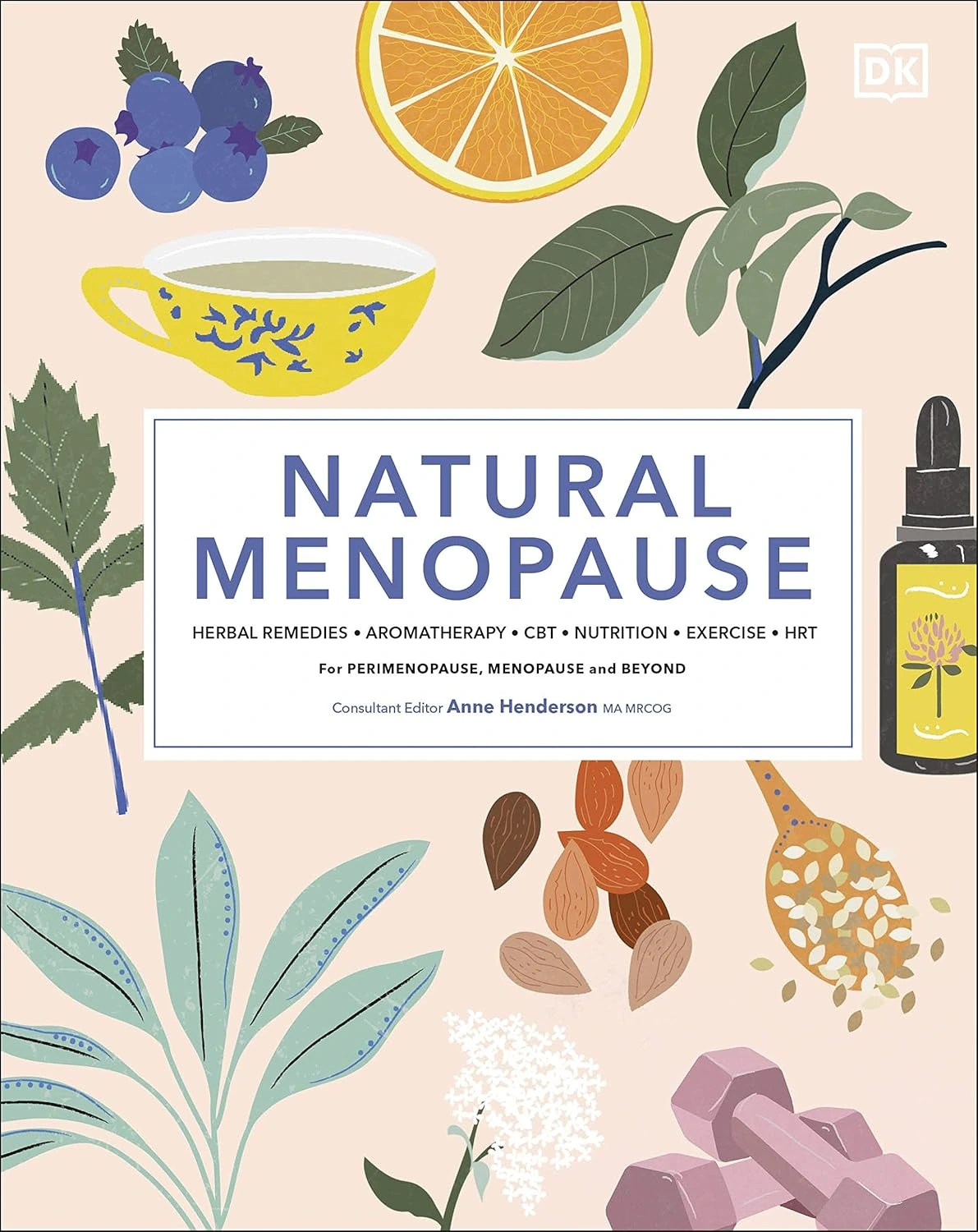
A calm, grounded guide to menopause with a focus on practical self‑care, symptom relief, and informed choices. It walks through common changes and supportive options, helping you build a plan that fits your body, values, and daily pace.
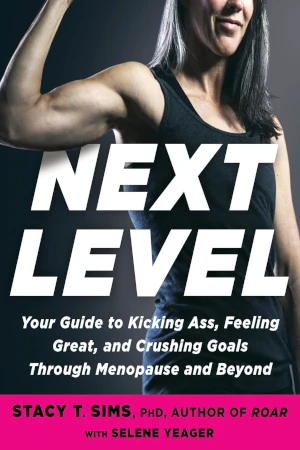
A performance guide for active women navigating perimenopause, menopause, and the years beyond. Sims and Yeager connect hormonal change with muscle, bone, temperature regulation, fueling, recovery, and training, emphasizing adaptation rather than applying younger or male-centered fitness advice unchanged.
Attia frames prevention around acting earlier against cardiovascular disease, cancer, neurodegeneration, and metabolic dysfunction. Exercise, sleep, nutrition, risk assessment, and emotional health are organized around one practical question: which physical abilities should remain possible decades from now?
An empowering, easy‑to‑read companion that normalizes menopause and makes space for confidence, humor, and boundaries. Rowe‑Ham covers symptoms and support options, but also the emotional side of midlife change—how to speak up and take up space.
Hill covers the hormonal transition before menopause through cycles, sleep, mood, confidence, and body literacy. Self-advocacy runs throughout, helping readers recognize patterns, prepare for medical conversations, and meet change with more information and less fear.
A female-physiology training guide covering exercise, fueling, hydration, menstrual cycles, pregnancy, recovery, and menopause. Sims challenges male-centered sports research and offers practical strategies for performance and health, while individual symptoms, goals, and medical context still require adaptation.
A six-week cognitive behavioral program for chronic insomnia using sleep scheduling, stimulus control, relaxation, cognitive restructuring, and accurate sleep education. Jacobs addresses the thoughts and habits that maintain wakefulness while emphasizing a drug-free, evidence-based route to more reliable sleep.
Ratey explains how exercise influences mood, memory, attention, stress regulation, and brain health. Research and clinical examples support the central claim that regular movement changes the conditions in which the brain learns, adapts, and recovers across the lifespan.
A journalistic account of communities associated with exceptional longevity and the lifestyle patterns Buettner observed there. Natural movement, plant-forward eating, social connection, purpose, and supportive environments offer practical ideas, although causal claims and demographic methods deserve critical reading.
A practical introduction to circadian biology and the daily timing signals created by light, food, activity, and sleep. Panda explains how internal clocks influence metabolism, recovery, mood, and disease risk, offering routines designed to strengthen rhythm rather than chase isolated health hacks.
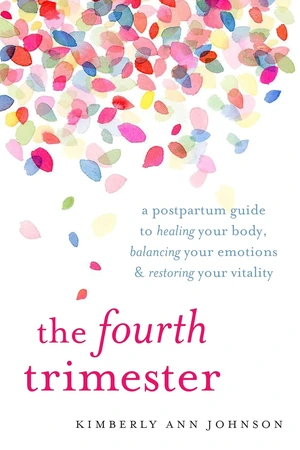
A whole-person postpartum recovery guide covering physical healing, pelvic health, sexuality, nervous-system regulation, nutrition, identity, support, and boundaries. Johnson challenges the expectation of rapid return to normal, presenting the months after birth as a distinct developmental and physiological transition.
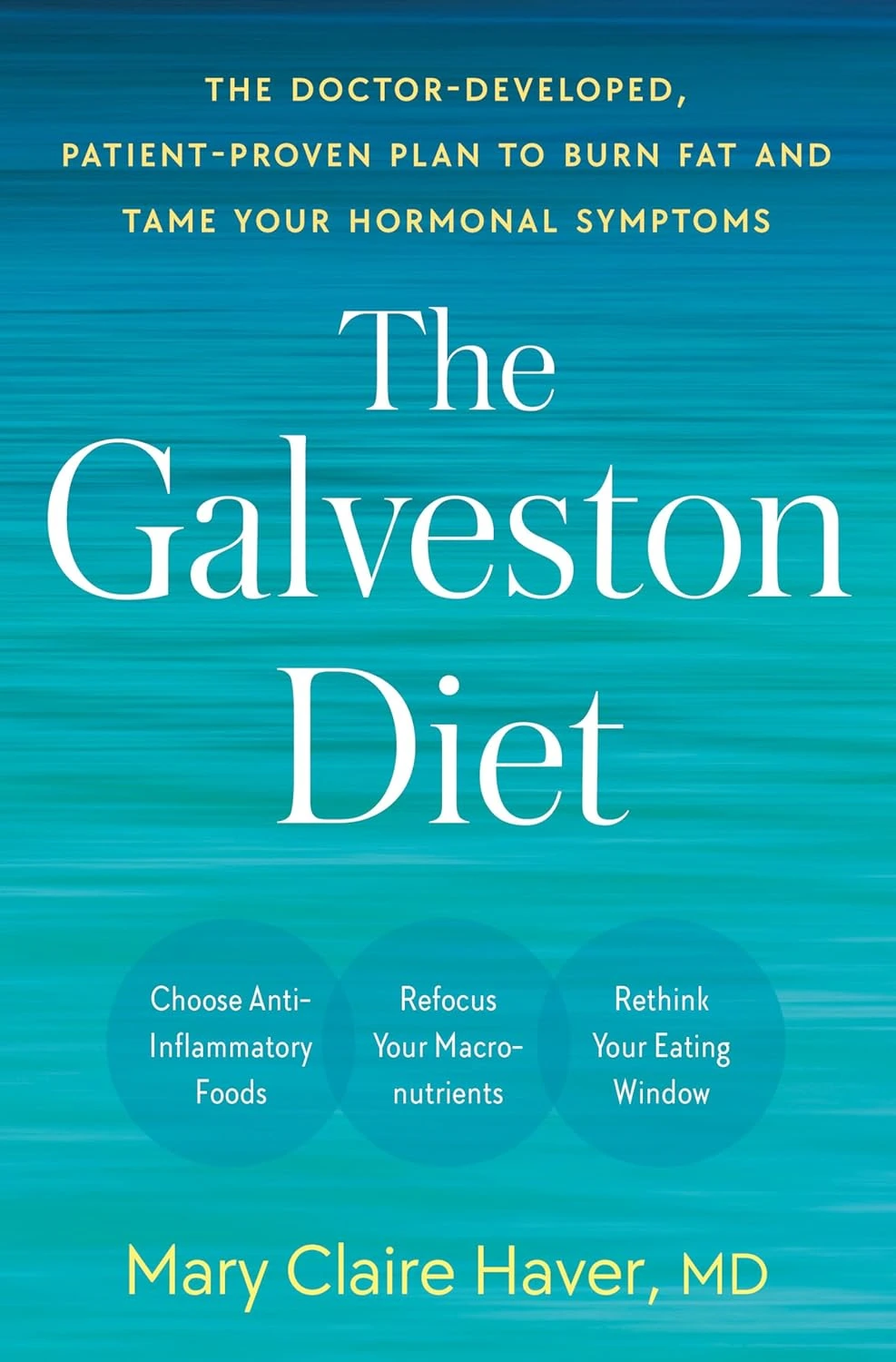
A practical approach to midlife nutrition focused on inflammation, meal timing, and sustainable habits. Haver connects changing metabolism with food quality and steady energy, offering a clear structure that can be adapted without reducing health to calorie counting or willpower.
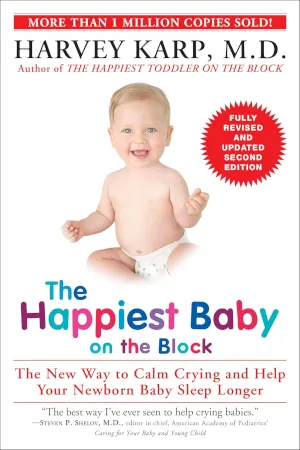
A pediatric guide to newborn crying, sleep, and the “fourth trimester,” organized around five soothing techniques. Karp explains why rhythmic movement, sound, sucking, and secure holding can calm babies, while current safe-sleep recommendations should guide how techniques are used.
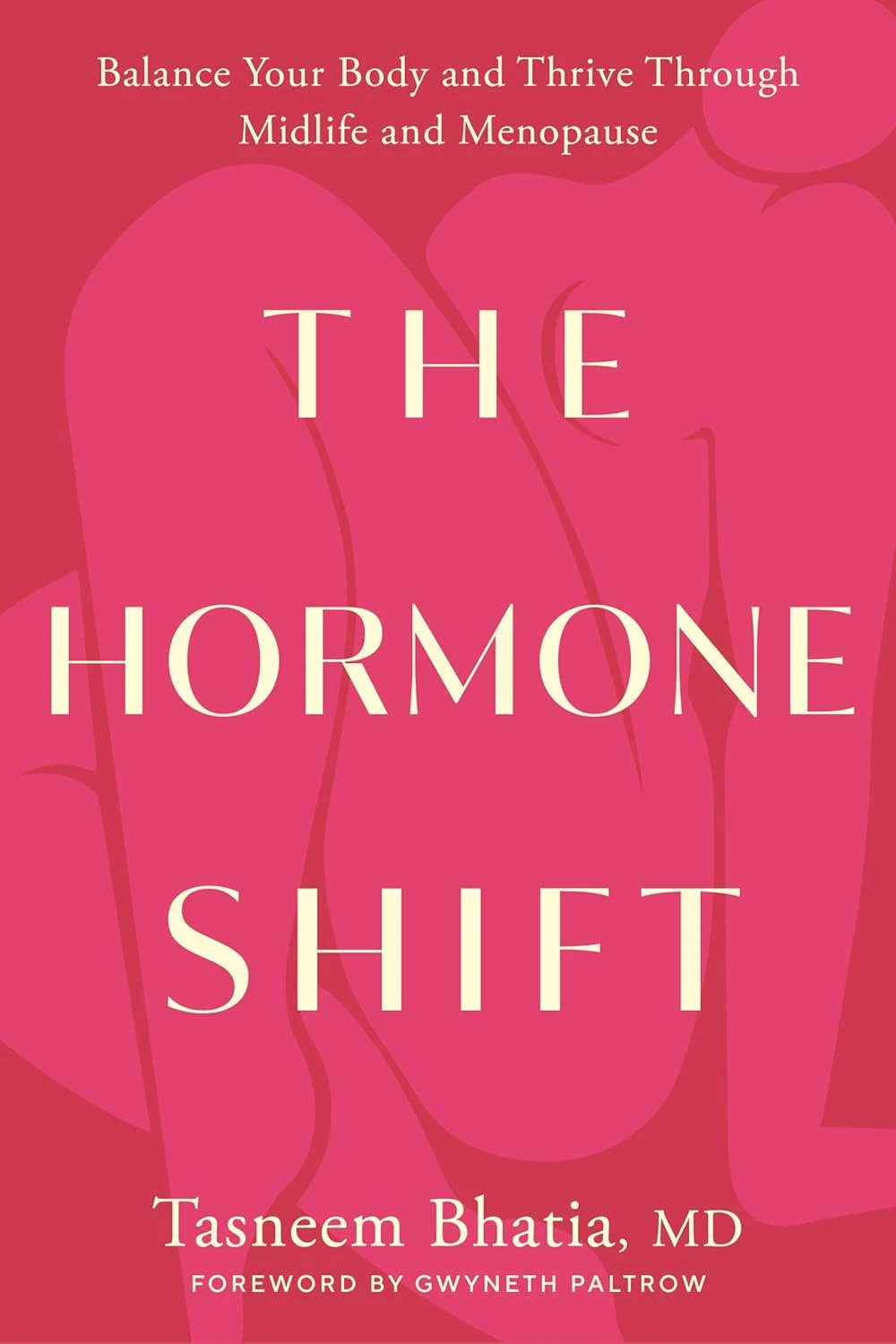
A holistic, medical‑minded guide to hormones in midlife, connecting symptoms to everyday levers like sleep, stress, food, and movement. Bhatia frames menopause as a health reset, with steps you can test and tailor rather than follow blindly.
A welcoming overview of women’s health, aging, and wellbeing, with a focus on habits that support vitality over time. Part memoir, part guide, it invites you to think long‑term without perfectionism, and to build routines that actually stick.
A neuroscience-based account of menopause as a transition affecting the brain as well as the ovaries. Mosconi explains changes in temperature regulation, sleep, mood, energy, and cognition while connecting immediate symptoms with long-term questions about cardiovascular, metabolic, and neurological health.
A supportive, accessible handbook that answers the questions women often google at 2 a.m. It covers symptoms, treatments, lifestyle tools, and relationships, with a reassuring tone. Designed for quick reference as well as steady, page‑by‑page reading.
An evidence-based nutrition plan designed for the menopause transition and the decades after it. Wright and Ward emphasize plant-forward meals, protein, fiber, and sustainable structure, supporting metabolic, bone, heart, and muscle health without turning everyday eating into a restrictive project.
An evidence-based and explicitly feminist guide to reproductive aging, covering physiology, symptoms, sexual health, long-term risks, medical myths, and treatment choices. Gunter gives readers language for clinical conversations while challenging cultural silence, misinformation, and commercial exploitation.
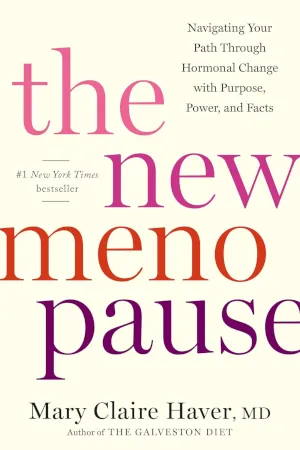
A practical, evidence-focused guide to symptoms, clinical conversations, hormone therapy, nutrition, sleep, muscle, bone, cardiovascular health, and sexual wellbeing after reproductive life. Haver emphasizes individualized decisions and long-term prevention rather than treating menopause as a short list of discomforts.
A practical explanation of sleep drive, circadian rhythm, insomnia, apnea, sleep technology, medication, and common misconceptions. Winter replaces rigid rules with a clearer understanding of how sleep functions, helping readers reduce anxiety while recognizing when persistent difficulties deserve professional assessment.
An evolutionary account of why modern environments can conflict with bodies shaped for movement, scarcity, and different patterns of work and rest. Lieberman connects human history with chronic disease, explaining mismatch without reducing health to personal failure or a single ideal lifestyle.
A myth-busting, science-led guide to vulvar and vaginal health across life stages. Gunter explains anatomy, common symptoms, tests, and treatments in plain language, helping readers distinguish evidence from marketing and approach intimate health conversations with more confidence.
Corinna delivers an inclusive, irreverent account of perimenopause and menopause through health information, history, and cultural criticism. The book explains what may change, why experiences differ, and how readers can seek care without being reduced to gender, body type, or stereotype.
A sweeping popular-science account of sleep stages, circadian rhythms, memory, emotion, dreaming, health, and sleep deprivation. Walker makes sleep research accessible and urgent, although several statistical, factual, and causal claims have been criticized and should be read alongside broader clinical evidence.