A darkly comic novel about a bereaved, rigid widower whose plans for isolation are repeatedly interrupted by neighbors. Backman uses practical favors, remembered love, community conflict, and reluctant friendship to explore grief, purpose, depression, usefulness, and interdependence.
Emotional
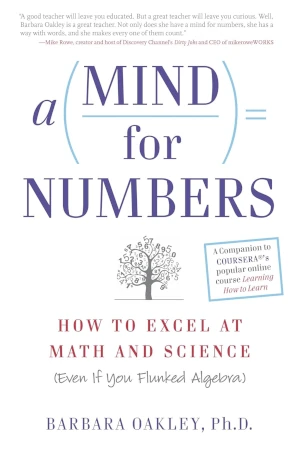
Oakley makes difficult learning more approachable through focused and diffuse thinking, retrieval, chunking, practice, and better responses to procrastination. Neuroscience supports the practical message: mathematical and technical ability can grow through method and persistence rather than being fixed at birth.
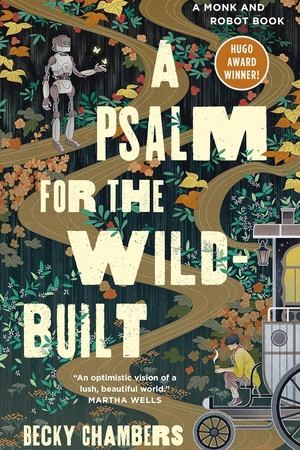
A gentle solarpunk novella about a tea monk and a wild-built robot exploring purpose, rest, nature, usefulness, and what humans truly need. Chambers offers hopeful science fiction in which curiosity and companionship matter more than crisis, conquest, or constant productivity.
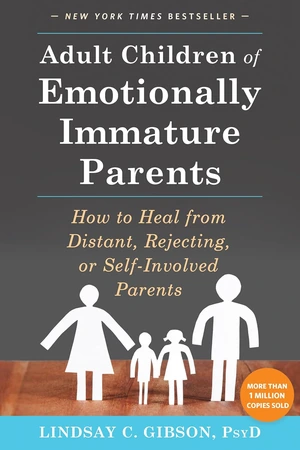
Gibson names emotionally unavailable, self-absorbed, passive, driven, and reactive parenting patterns and their effects on adult children. Recognition of emotional loneliness, overfunctioning, and unrealistic hope creates room for stronger boundaries, self-trust, and relationships built on reciprocity.
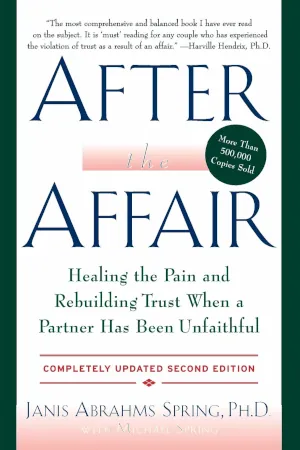
A relationship-recovery guide for the aftermath of infidelity, covering shock, grief, decisions about staying or leaving, disclosure, accountability, intimacy, and rebuilding trust. Spring avoids compulsory reconciliation, emphasizing that meaningful repair depends on sustained truth and changed behavior rather than promises alone.
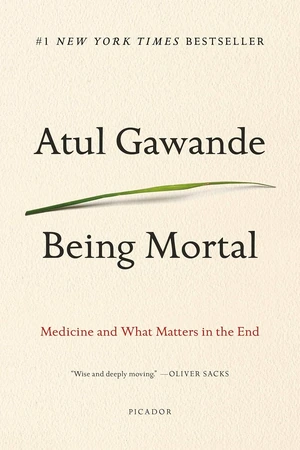
A humane examination of aging, serious illness, institutional care, hospice, autonomy, and end-of-life decisions. Gawande asks medicine to serve what matters most to each person, replacing treatment-at-any-cost with clearer conversations about goals, fears, trade-offs, and dignity.
A memoir-manifesto about sustaining an important adult friendship through distance, professional visibility, racial dynamics, conflict, and repair. Sow and Friedman treat platonic commitment as serious relational work, introducing language for mutual investment, “stretching,” the friendweb, and choosing not to abandon rupture.
A historical novel narrated by an older woman recalling New York’s 1940s theater world. Gilbert explores female sexuality, friendship, costume, scandal, war, shame, unconventional love, and reinvention while refusing to divide women neatly into innocence, respectability, or ruin.
Daughtry focuses on the daily architecture of parenting across two homes: communication, schedules, holidays, new partners, conflict, and child-centered decisions. The aim is dependable cooperation and clear boundaries, not forced friendship, emotional closeness, or agreement on every issue.
Woodward Thomas offers five steps for moving through separation with less blame, retaliation, and lasting damage. Emotional reflection, personal responsibility, practical restructuring, and future-oriented healing matter especially when children or shared family ties prevent a clean emotional break.
A sweeping medical and family novel moving between Ethiopia and the United States. Verghese explores twins, migration, betrayal, surgical vocation, and the moral intimacy of care, treating medicine not only as technical skill but as a way people witness one another’s lives.
A practical framework for discussing subjects that trigger defensiveness, hurt, or fear. The authors separate facts, intentions, feelings, identity, and contribution, showing how to prepare, listen, and speak clearly without reducing a complex disagreement to blame or a contest over who is right.
A relationship workbook structured around eight conversations about trust, conflict, sex, money, family, play, spirituality, and shared dreams. The Gottmans combine research, questions, and date plans to help couples renew curiosity and discuss recurring differences without requiring total agreement.
A darkly funny and compassionate novel about a socially isolated woman whose carefully controlled routine protects unresolved trauma. Honeyman follows Eleanor through friendship, crisis, therapy, and gradual connection, showing how ordinary kindness can disrupt defenses without turning healing into a sentimental rescue.
A warm, clear-eyed romance about widowhood, secrecy, friendship, and rebuilding after a marriage that was not what others believed. Holmes pairs Evvie with a professional pitcher who has lost his game, allowing two adults to move toward honesty without making love a shortcut around grief.
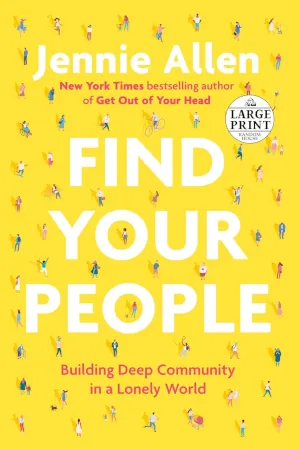
Allen presents Christian community as something built through proximity, consistency, vulnerability, hospitality, and shared responsibility. Biblical teaching, research, and personal stories support a challenge to passive loneliness: create a wider village instead of expecting one relationship to meet every need.
A compassionate science-fiction classic about intelligence, identity, and the ethics of changing a person to satisfy society’s idea of normal. Charlie’s progress reports reveal how ability affects power and belonging, while insisting that dignity should never depend on cognitive performance.
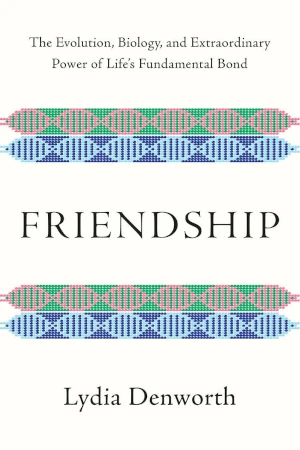
A science-driven account of friendship as an evolutionary, neurological, and physical-health necessity. Denworth follows connection across the lifespan and across species, showing why friendship deserves the same deliberate attention often reserved for family, romance, diet, or exercise.
A personal and reported investigation into women, gray hair, work, beauty, sexuality, and cultural expectations around aging. Kreamer tests assumptions rather than prescribing one choice, asking what women gain—or risk—when they stop disguising a visible sign of time.
A comic fantasy in which an angel and demon cooperate to prevent the apocalypse after growing fond of Earth. Pratchett and Gaiman combine biblical parody, British satire, friendship, prophecy, bureaucracy, and affection for imperfect humanity while resisting simple divisions between good and evil.
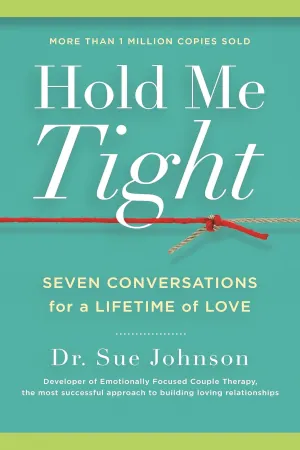
A relationship guide built around Emotionally Focused Therapy and adult attachment. Johnson helps couples recognize the fear beneath criticism and withdrawal, interrupt recurring conflict cycles, and create conversations in which vulnerability, responsiveness, and repair can restore a stronger sense of emotional security.
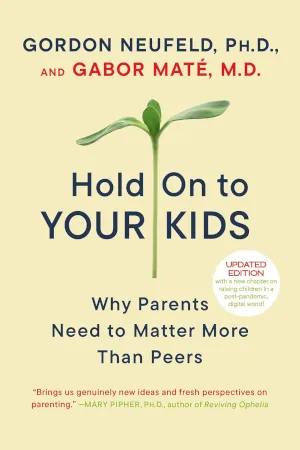
An attachment-based argument that children need strong emotional orientation toward responsible adults before guidance can take root. Neufeld and Maté examine peer influence, digital culture, dependence, and parental authority, offering ways to restore connection without confusing attachment with control.
A witty, reality‑based reframe of midlife change—less panic, more perspective. Muir blends cultural insight with practical reflection, exploring identity, aging, desire, and reinvention. Reads like a smart friend who tells the truth and keeps you moving.
Devine rejects forced positivity, grief timetables, and the idea that loss should be repaired like a disorder. Professional knowledge and personal bereavement guide readers toward reducing avoidable suffering, communicating needs, supporting others, and living alongside what cannot be fixed.
A near-future novel narrated by an Artificial Friend who observes a family facing illness, genetic enhancement, love, and possible replacement. Ishiguro uses Klara’s precise attention to explore devotion, sacrifice, technology, and whether a human being can ever be reduced to reproducible traits.
Garmus follows a gifted chemist pushed from research into television cooking in 1960s America. Science, grief, motherhood, sexism, and reinvention drive a witty feminist story about refusing institutional limits on intelligence, authority, and the shape of a future.
An imaginative survival novel about faith, fear, storytelling, and the human need for meaning. Martel places Pi between brutal reality and sustaining belief, asking whether the stories people choose can become part of how they endure uncertainty, isolation, and loss.
A compassionate dementia-caregiving guide built around Pauline Boss’s concept of ambiguous loss. It helps families live with someone who is physically present but psychologically changing, balancing grief, hope, limits, identity, outside support, and a sustainable “both-and” perspective.
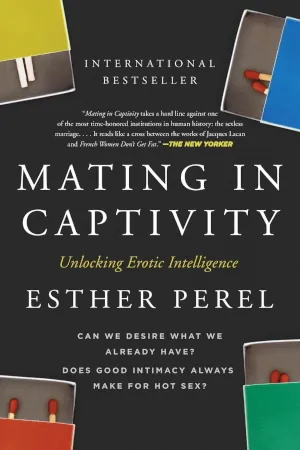
Perel explores why security and erotic energy can pull in different directions inside long relationships. Through stories and sharp questions, she reframes desire as a matter of mystery, autonomy, and aliveness—not simply attraction, frequency, or how much partners love each other.
A humorous sociological investigation of dating in the age of texting, apps, and abundant choice. Ansari and Klinenberg compare generations and cultures, showing how technology changes courtship while leaving familiar needs—attention, respect, attraction, and meaningful connection—surprisingly intact.
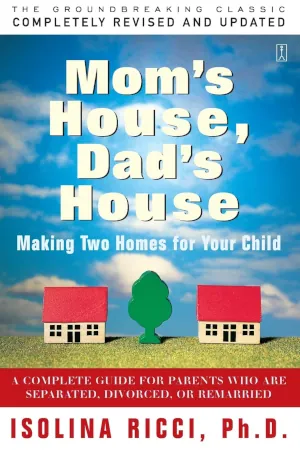
A child-centered framework for parenting across two homes after separation, divorce, or remarriage. Ricci offers practical systems for schedules, communication, holidays, conflict reduction, new partners, and shared decisions, encouraging former partners to build a workable co-parenting relationship without requiring emotional closeness.
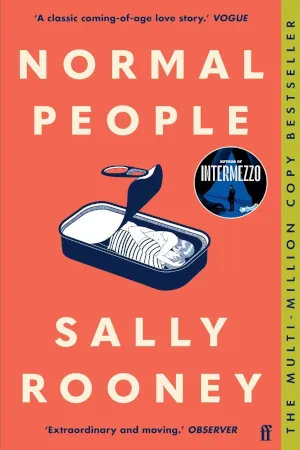
A psychologically precise novel about class, shame, attraction, power, and the repeated failures of communication between Connell and Marianne. Rooney follows their relationship across school and university, showing how intimacy can survive separation yet remain distorted by what neither person can say.
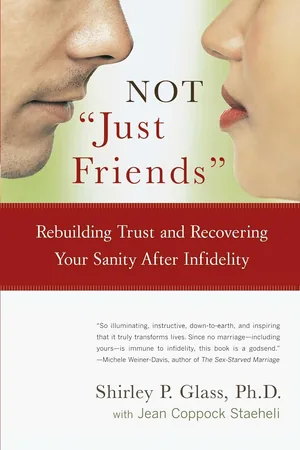
Glass maps how emotional and sexual affairs develop through secrecy, shifted loyalties, and intimacy outside a partnership. Her “walls and windows” model clarifies betrayal trauma, boundaries, disclosure, and the sustained repair required after an affair ends.
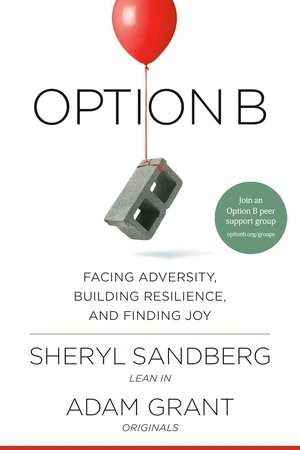
A memoir and psychology guide about grief, adversity, resilience, and post-traumatic growth. Sandberg describes life after her husband’s sudden death while Grant contributes research on support, self-compassion, meaning, and rebuilding, without claiming every loss produces a stronger person.
A dreamlike fantasy narrated by a man living inside an immense House of halls, statues, tides, and damaged memory. Clarke uses wonder, journals, manipulation, isolation, and rediscovered evidence to explore identity, captivity, knowledge, trust, and the difficult return to a wider world.
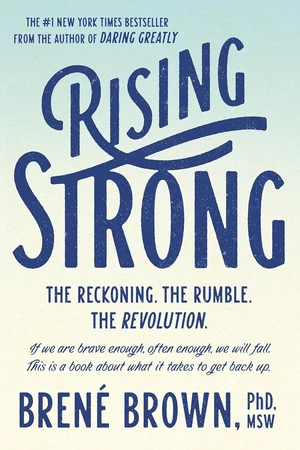
A research-based process for recovering after failure, betrayal, conflict, or disappointment. Brown describes reckoning with emotion, questioning the stories created around pain, and turning more truthful understanding into changed behavior, emphasizing curiosity and ownership rather than shame or a polished comeback.
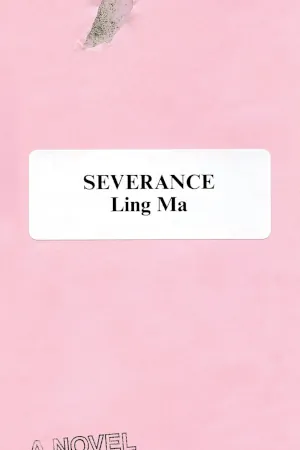
A darkly comic pandemic novel about office routine, capitalism, immigration, nostalgia, and the habits people repeat after meaning has disappeared. Ma turns apocalyptic fiction into an unsettling study of work, memory, and the strange comfort of continuing as if nothing has changed.
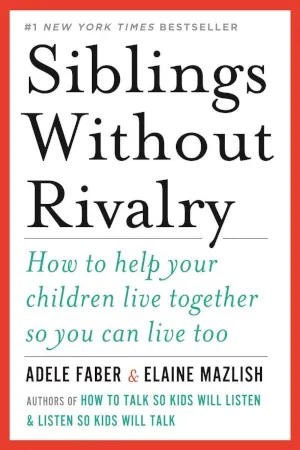
Faber and Mazlish challenge comparison, labels, forced sharing, and the demand that siblings remain harmonious. Through family examples and usable language, they help parents acknowledge jealousy and anger while treating each child as a separate person with distinct needs.
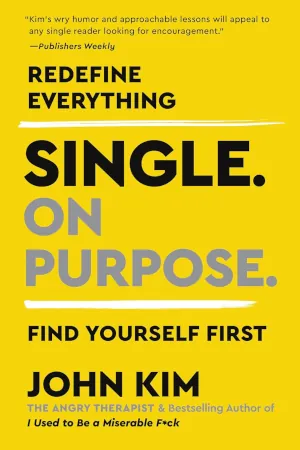
Kim treats singlehood as a meaningful life phase rather than a waiting room for partnership. Therapy, memoir, identity work, boundaries, health, purpose, and community support a life that can welcome romance without depending on it for rescue.
A post-pandemic novel about art, memory, civilization, and the objects people carry after catastrophe. Mandel moves across timelines and connected lives, asking why survival alone is insufficient and how performance, friendship, and story preserve identity after familiar structures disappear.
A research-informed and candid account of stepmotherhood, combining memoir, interviews, cultural expectations, and stepfamily dynamics. Martin examines loyalty binds, outsider status, power, resentment, and unrealistic maternal ideals while emphasizing the biological parent’s responsibility for family structure and discipline.
A longstanding family guide to Alzheimer’s disease and other dementias, covering behavior, communication, safety, daily care, medical decisions, residential options, and caregiver wellbeing. Mace and Rabins combine practical planning with recognition of the emotional and physical strain on families.
Perry traces how parents’ own childhood experiences surface in ordinary family moments. Through emotional awareness, repair, apology, and clearer boundaries, she shows how adults can interrupt inherited patterns without turning parenting into blame, perfectionism, or endless self-analysis.
Jay argues that the twenties matter for identity, work, relationships, and future options without imposing one correct timetable. Developmental science and client stories encourage deliberate choices while leaving room for different careers, family structures, and paths into adulthood.
Patchett’s novel follows Danny and Maeve from childhood expulsion through decades of loyalty, fixation, and changing family alliances. The Dutch House becomes both physical place and psychological inheritance, revealing how memory can preserve love while narrowing what forgiveness is allowed to mean.
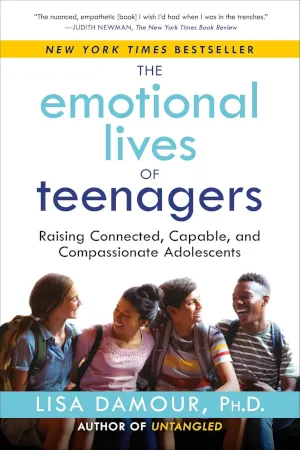
A psychologist’s guide to understanding adolescent emotion without treating normal distress as pathology. Damour explains how teenagers discharge feelings, seek independence, use peers, and test limits, helping adults support regulation while maintaining boundaries and recognizing when professional intervention is warranted.
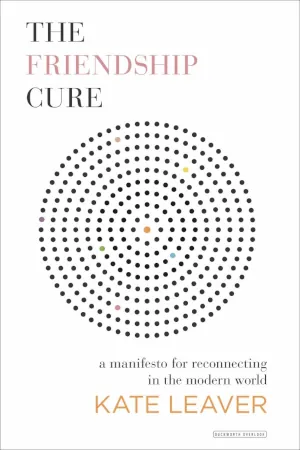
Leaver investigates friendship as a health, cultural, and relational issue rather than a pleasant extra. Research and personal accounts examine loneliness, digital connection, intimacy, and maintenance, arguing that adult friendship deserves the seriousness usually reserved for romance and family.
A comic science-fiction classic in which Earth’s destruction becomes the start of an increasingly improbable journey. Adams mixes absurdity, philosophy, bureaucracy, and wordplay, offering readers a liberating perspective on panic, certainty, and humanity’s tiny place in an incomprehensibly strange universe.
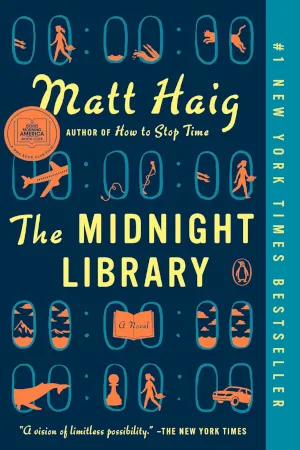
An accessible speculative novel about regret, depression, alternate lives, and the temptation to believe one different decision would have created a perfect self. Haig uses a library between life and death to explore possibility while ultimately returning meaning to the imperfect life already in progress.
A richly atmospheric fantasy about two young magicians bound into a competition they did not choose. Morgenstern surrounds their struggle with a nocturnal circus of beauty and invention, exploring love, loyalty, sacrifice, and the human cost of living inside someone else’s rules.
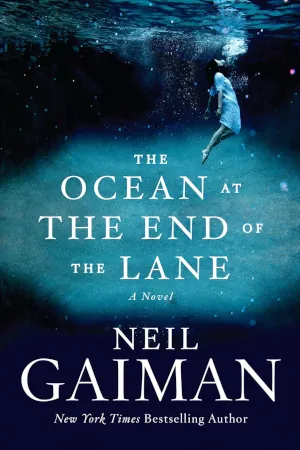
Gaiman returns an adult narrator to the landscape of childhood, where memory, supernatural danger, sacrifice, protection, and the Hempstock women blur together. The novel asks how children perceive terror and how adults reshape experiences too difficult to remember directly.
A spiritual memoir about identity, faith, poetry, hidden sexuality, and the Harlem school O’Gorman founded. His movement from private isolation toward education and service presents loneliness not only as emotional pain, but as a condition transformed through sustained responsibility to others.
Gottman shows how emotional connection grows through small bids for attention in romance, family, friendship, and work. The repeated choice to turn toward, away, or against another person gradually shapes trust, intimacy, responsiveness, and the felt safety of a relationship.
A romantic comedy about genetics professor Don Tillman, whose highly controlled search for a suitable wife is disrupted by spontaneous Rosie. Simsion explores rigidity, neurodiversity, friendship, attraction, and the difference between selecting a partner on paper and learning intimacy.
A historical novel framed as an aging Hollywood star’s final confession. Reid explores fame, bisexuality, racial identity, marriage, ambition, image-making, sacrifice, and hidden love, asking who controls a woman’s story and what public survival can cost privately.
A research-based marriage guide built from decades of observing couples. Gottman translates patterns such as friendship, emotional bids, fondness, conflict management, shared meaning, and the “Four Horsemen” into practical exercises for strengthening connection and repairing recurring difficulties.
An explicitly Christian novel about grief, anger, forgiveness, suffering, and an imagined encounter with God. Young uses spiritual conversation and family tragedy to explore healing without offering a conventional theological explanation for why devastating loss occurs.
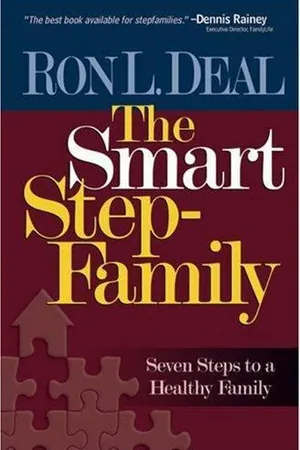
Deal describes the distinctive pressures of blended families: loyalty conflicts, discipline, ex-partners, couple unity, grief, and the biological parent’s role. His slow-cooker metaphor replaces fantasies of instant blending with gradual trust, realistic expectations, and patient family formation.
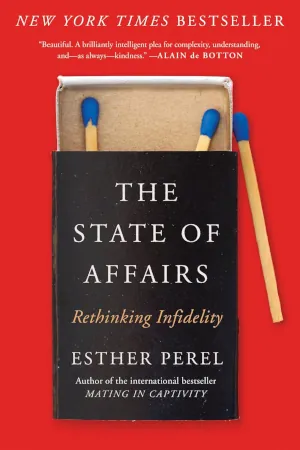
Perel examines infidelity without simplifying betrayal, desire, or repair. Drawing on clinical stories, she explores secrecy, identity, longing, and the meaning couples attach to an affair—offering language for understanding what happened and what rebuilding or leaving may require.
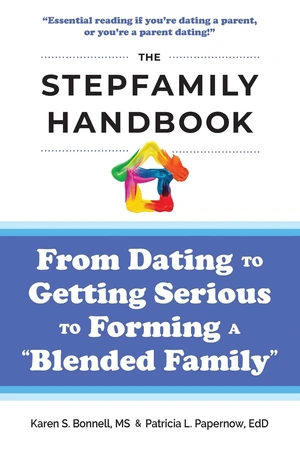
Papernow and Bonnell follow recoupling from dating through commitment and stepfamily formation. Loyalty conflicts, pacing, former partners, finances, discipline, co-parenting, and couple protection are addressed with one repeated principle: trust and stepparent-child connection cannot be rushed into existence.

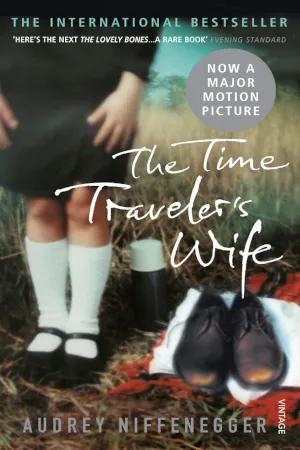
A time-bending love story about Clare and Henry, whose relationship must survive involuntary absence, unequal knowledge, and years of waiting. Niffenegger uses fantasy to explore devotion, loneliness, free will, and the emotional cost of building a life around someone unpredictable.
A memoir and reflection drawn from Ware’s years caring for people near death. Five recurring regrets—inauthentic living, overwork, unexpressed feelings, neglected friendship, and postponed happiness—become prompts for examining present choices rather than waiting for mortality to clarify priorities.
A multigenerational novel about twin sisters whose lives divide when one begins passing as white. Bennett explores colorism, secrecy, family inheritance, gender, and reinvention, showing how identities are shaped by both personal choice and the social consequences attached to being seen.
A precise memoir of the year after John Gregory Dunne’s sudden death while the couple’s daughter was seriously ill. Didion examines grief’s altered logic, memory, marriage, medical crisis, and the mind’s “magical” resistance to accepting that someone will not return.
A darkly comic office novel about layoffs, group identity, illness, gossip, and the fear of becoming professionally disposable. Ferris uses a collective “we” to capture how colleagues can be intimate and competitive at once, especially when uncertainty turns ordinary work into survival.
A collection of Strayed’s Dear Sugar advice columns, shaped by letters about grief, love, sex, family, regret, and impossible decisions. Her responses combine directness with radical empathy, using personal experience not to claim authority but to meet readers inside their uncertainty.
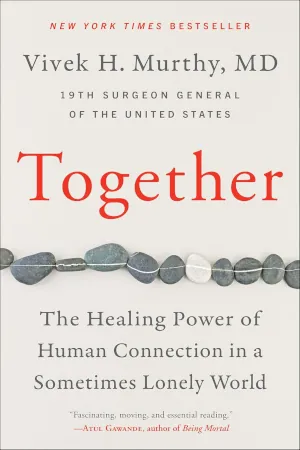
Murthy presents human connection as a biological and social need rather than a lifestyle extra. Research, patient stories, community examples, and personal experience illuminate loneliness, solitude, service, purpose, technology, and the environments that help relationships form or disappear.
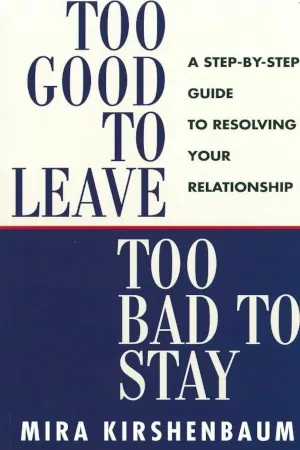
A structured guide for people trapped in relationship ambivalence. Kirshenbaum uses diagnostic questions about safety, respect, affection, shared pleasure, recurring harm, and realistic prospects for change, helping readers move beyond endless pros-and-cons lists toward a clearer assessment of the relationship’s future.
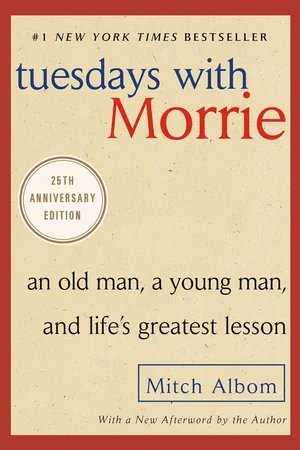
A memoir of Albom’s renewed Tuesday visits with his former professor Morrie Schwartz as ALS advances. Their conversations about work, love, family, regret, forgiveness, culture, aging, and death turn one teacher-student relationship into an intimate examination of what makes a life meaningful.

Part memoir, part declaration, this book examines the cost of performing the life others expect. Doyle connects identity, motherhood, faith, love, and courage, inviting readers to notice where self-abandonment has become normal—and where a more honest life might begin.
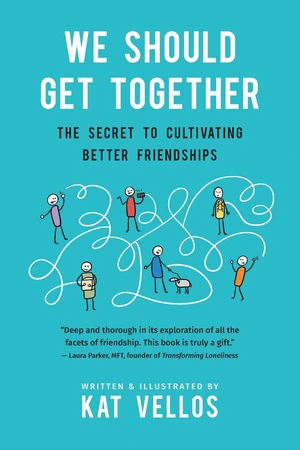
Vellos treats adult friendship as something that can be designed through invitations, recurring rituals, vulnerability, compatibility, and follow-through. Personal stories, interviews, and practical tools recast loneliness as a relational problem rather than evidence that someone is socially defective.
A physician’s memoir of becoming a patient after a diagnosis of metastatic lung cancer. Kalanithi moves between literature, neuroscience, surgery, marriage, parenthood, and mortality, asking how people decide what makes life meaningful when knowledge cannot restore a predictable future.
Chödrön teaches how to meet fear, grief, uncertainty, and groundlessness without immediately escaping or hardening. Meditation, compassion, and Tibetan Buddhist practice turn difficult experience into a field of attention while leaving practical and medical needs fully intact.
A candid memoir of grief, self-destruction, and a largely unprepared solo hike along the Pacific Crest Trail. Strayed records physical hardship without romanticizing it, showing how sustained movement, solitude, and honest reflection helped her begin rebuilding a life after profound loss.
A lyrical examination of life’s fallow periods through memoir, nature, cold, hibernation, and cultural ritual. May argues that illness, grief, exhaustion, and disruption require preparation and care, reframing withdrawal as a recurring human season rather than failure or permanent defeat.