A darkly comic novel about a bereaved, rigid widower whose plans for isolation are repeatedly interrupted by neighbors. Backman uses practical favors, remembered love, community conflict, and reluctant friendship to explore grief, purpose, depression, usefulness, and interdependence.
Community & Support
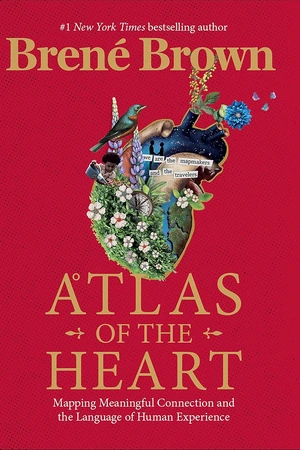
A research-based map of eighty-seven emotions and human experiences, distinguishing concepts often treated as interchangeable. Brown connects emotional vocabulary with self-awareness, communication, empathy, boundaries, and meaningful connection while acknowledging that language cannot replace listening to another person’s account.
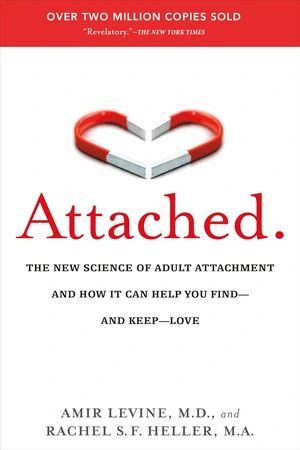
A popular introduction to adult attachment in romantic relationships, organized around anxious, avoidant, and secure patterns. Levine and Heller connect closeness, dependence, conflict, and partner selection with attachment needs, while the categories are most useful as flexible tendencies rather than permanent diagnoses.
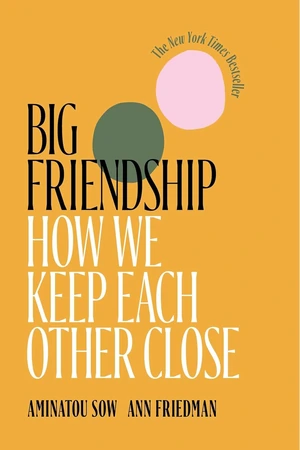
A memoir-manifesto about sustaining an important adult friendship through distance, professional visibility, racial dynamics, conflict, and repair. Sow and Friedman treat platonic commitment as serious relational work, introducing language for mutual investment, “stretching,” the friendweb, and choosing not to abandon rupture.
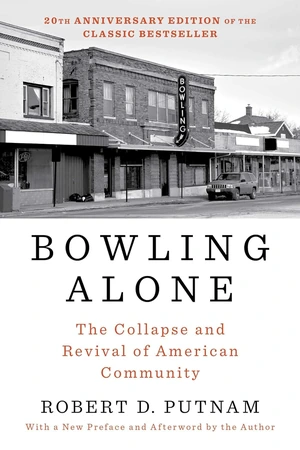
A landmark study of declining American civic participation and social capital across clubs, volunteering, religious groups, informal visits, associations, and political life. Putnam connects weakened networks with trust, health, democracy, and community capacity while distinguishing bonding ties from bridges across difference.
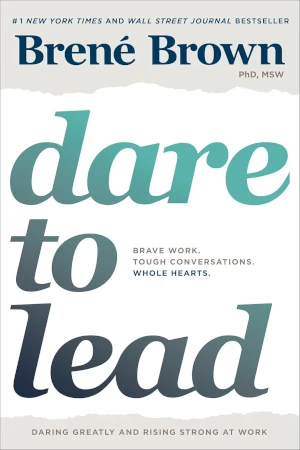
Brown translates vulnerability, trust, values, feedback, accountability, and difficult conversations into workplace behavior. Courageous leadership emerges not from emotional performance but from replacing armor and perfectionism with curiosity, boundaries, clarity, and a willingness to learn where others can see it.
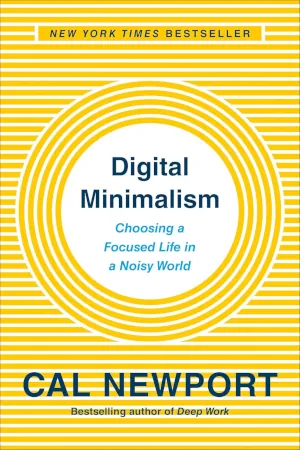
Newport proposes a thirty-day digital declutter followed by deliberate choices about technology, solitude, leisure, conversation, and attention. The goal is not rejection of useful tools but a life in which values determine use instead of platforms determining habits.
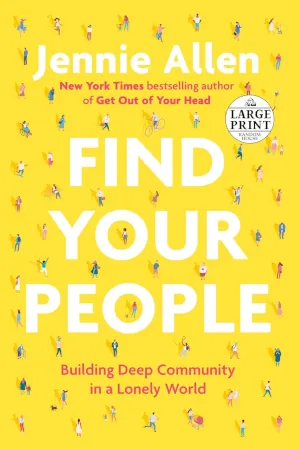
Allen presents Christian community as something built through proximity, consistency, vulnerability, hospitality, and shared responsibility. Biblical teaching, research, and personal stories support a challenge to passive loneliness: create a wider village instead of expecting one relationship to meet every need.
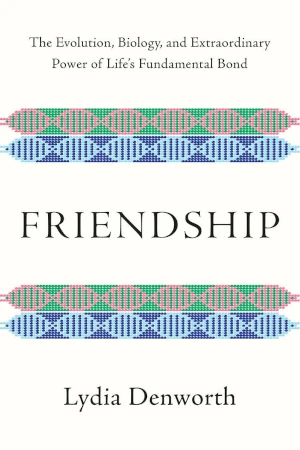
A science-driven account of friendship as an evolutionary, neurological, and physical-health necessity. Denworth follows connection across the lifespan and across species, showing why friendship deserves the same deliberate attention often reserved for family, romance, diet, or exercise.
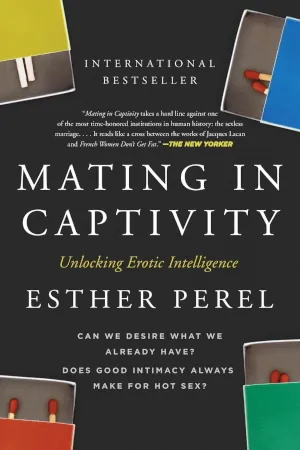
Perel explores why security and erotic energy can pull in different directions inside long relationships. Through stories and sharp questions, she reframes desire as a matter of mystery, autonomy, and aliveness—not simply attraction, frequency, or how much partners love each other.
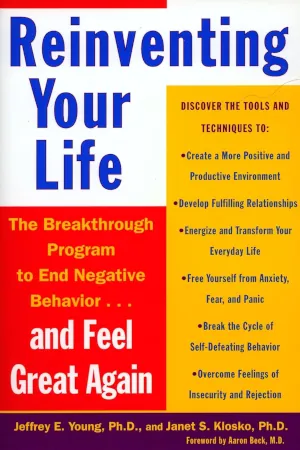
A self-help introduction to schema therapy and the recurring emotional patterns Young and Klosko call lifetraps. Through case examples, questionnaires, and exercises, readers learn how childhood expectations can shape relationships, self-worth, dependence, mistrust, self-sacrifice, and choices in adult life.
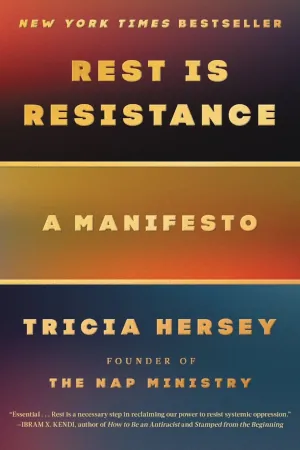
A manifesto that reframes rest as liberation rather than reward. Hersey connects exhaustion with capitalism, racism, inherited trauma, and productivity culture, inviting readers to reclaim naps, stillness, imagination, and bodily autonomy without turning recovery into another task to perform efficiently.
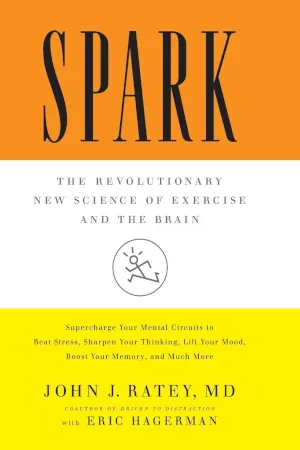
Ratey explains how exercise influences mood, memory, attention, stress regulation, and brain health. Research and clinical examples support the central claim that regular movement changes the conditions in which the brain learns, adapts, and recovers across the lifespan.
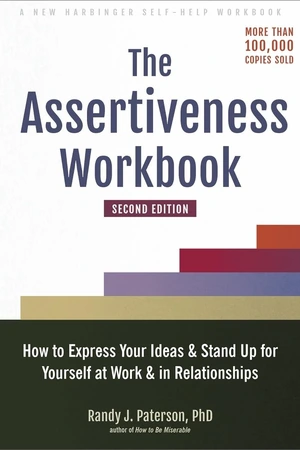
A cognitive-behavioral workbook for distinguishing passive, aggressive, passive-aggressive, and assertive communication. Paterson uses exercises, scripts, and behavioral practice to help readers make requests, refuse demands, give feedback, handle disagreement, and express themselves without abandoning respect or responsibility.
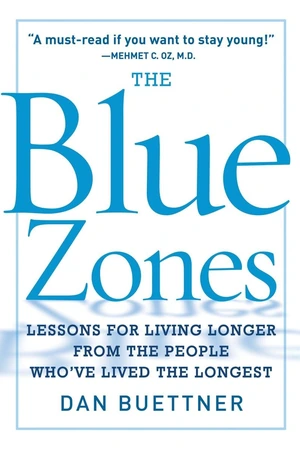
A journalistic account of communities associated with exceptional longevity and the lifestyle patterns Buettner observed there. Natural movement, plant-forward eating, social connection, purpose, and supportive environments offer practical ideas, although causal claims and demographic methods deserve critical reading.
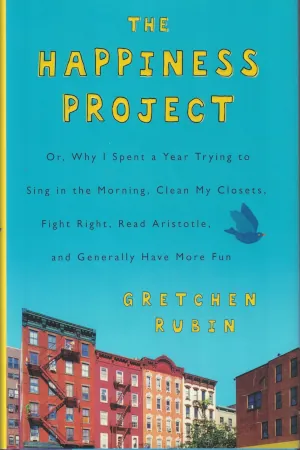
A one-year personal experiment in happiness organized around energy, relationships, work, money, mindfulness, play, and everyday habits. Rubin tests concrete resolutions rather than prescribing dramatic reinvention, though the book’s relatively privileged circumstances limit how universally its choices can be applied.
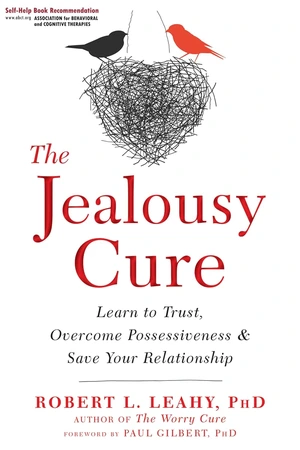
Leahy treats jealousy as understandable without excusing possessiveness or control. Rumination, checking, reassurance seeking, comparison, and intolerance of uncertainty are examined through cognitive and emotional tools that separate the feeling itself from harmful behavior and improve direct communication.
A spiritual memoir about identity, faith, poetry, hidden sexuality, and the Harlem school O’Gorman founded. His movement from private isolation toward education and service presents loneliness not only as emotional pain, but as a condition transformed through sustained responsibility to others.
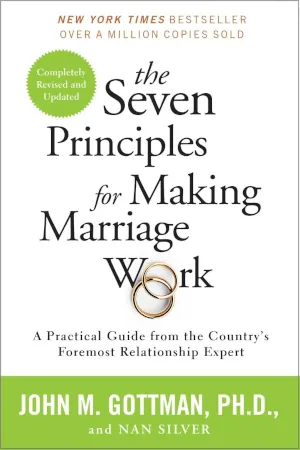
A research-based marriage guide built from decades of observing couples. Gottman translates patterns such as friendship, emotional bids, fondness, conflict management, shared meaning, and the “Four Horsemen” into practical exercises for strengthening connection and repairing recurring difficulties.
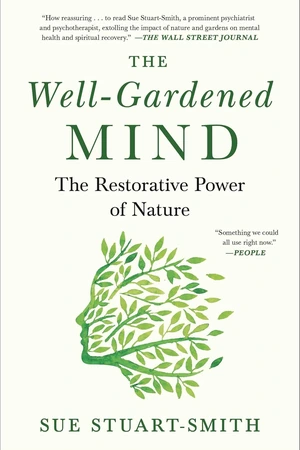
A psychiatrist’s exploration of gardening, mental health, history, neuroscience, therapeutic practice, and personal recovery. Stuart-Smith shows how cultivation can support agency, attention, memory, hope, and connection while avoiding the claim that gardens replace appropriate psychological or medical care.
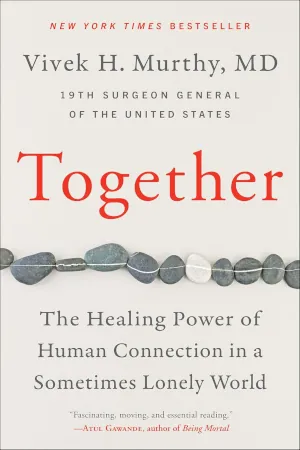
Murthy presents human connection as a biological and social need rather than a lifestyle extra. Research, patient stories, community examples, and personal experience illuminate loneliness, solitude, service, purpose, technology, and the environments that help relationships form or disappear.
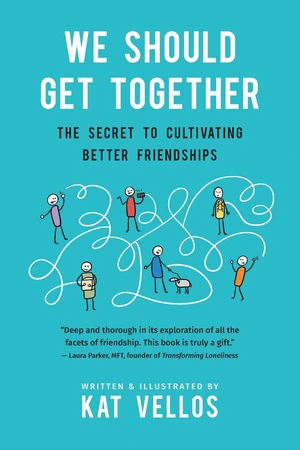
Vellos treats adult friendship as something that can be designed through invitations, recurring rituals, vulnerability, compatibility, and follow-through. Personal stories, interviews, and practical tools recast loneliness as a relational problem rather than evidence that someone is socially defective.