Beauty pressure behind shame and midlife weight gain
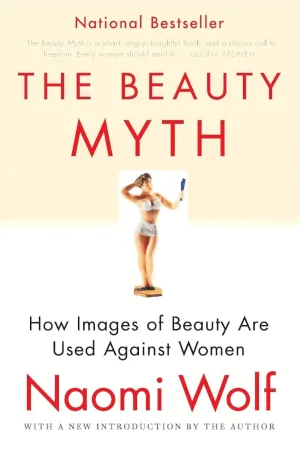
Beauty pressure does not disappear with age; it often shifts toward youthfulness, thinness, invisibility, and the demand to look effortlessly “well.” Wolf argues that expanding opportunities for women were accompanied by increasingly consuming appearance standards. Weight gain becomes culturally charged rather than morally meaningful. Within the MHS library, the book remains historically influential for naming beauty labor as political and economic, but it requires critical reading: its framework is insufficiently intersectional, and several anorexia statistics were seriously overstated. Its strongest legacy is the question it leaves behind—who benefits when women’s time, money, attention, and authority remain tied to impossible bodies?
About Naomi Wolf
Naomi Wolf wrote The Beauty Myth at twenty-eight, drawing partly on her own adolescent anorexia. That personal urgency helped make the book influential, but later analysis found many of its eating-disorder statistics substantially overstated, requiring careful distinction between argument and evidence.

Some links may be affiliate links. This does not affect our editorial selection.