Listening without judgment around hormone therapy
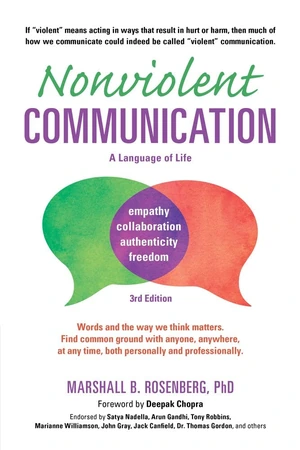
Long relationships can accumulate blame, defensiveness, and assumptions about what other people should already understand. Rosenberg organizes dialogue around observations, feelings, needs, and requests, while encouraging empathic listening without immediate correction. Hormone therapy discussions can become polarized when fear, past dismissal, or different risk tolerances are translated into accusation. For readers rethinking what comes next, the method helps separate a concrete event from the story built around it and turn criticism into a specific request. Compassion does not require agreement, surrender, or unsafe contact. Clear boundaries and medical facts remain essential; empathy simply makes it more possible to hear what matters beneath a position.
About Marshall Rosenberg
Marshall Rosenberg traced his interest in compassionate communication to antisemitism and racial violence he witnessed after moving to Detroit as a child. He later used the developing method in school-integration projects before founding the Center for Nonviolent Communication.

Some links may be affiliate links. This does not affect our editorial selection.