A second calling within healthy aging
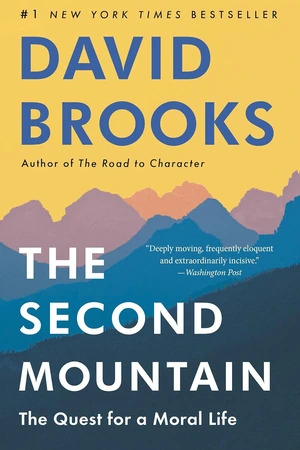
Success can lose its organizing power after divorce, burnout, bereavement, or the realization that an accomplished life still feels emotionally thin. Brooks contrasts a first mountain of achievement with a second shaped by commitments to vocation, family, philosophy or faith, and community. Healthy aging appears here as movement from self-construction toward deeper interdependence and service. As midlife reshapes familiar assumptions, the framework can illuminate a second act, although its moral and religious language will not suit everyone. The useful question is not whether ambition was wrong, but what kind of commitment now deserves the experience, freedom, and remaining time that ambition helped create.
About David Brooks
David Brooks developed the second-mountain idea after professional success collided with divorce, isolation, and spiritual uncertainty in his fifties. The book’s language of commitment grew from a personal attempt to move from achievement and loneliness toward relationship, community, and moral purpose.


Some links may be affiliate links. This does not affect our editorial selection.