What hormones reveal about midlife brain fog
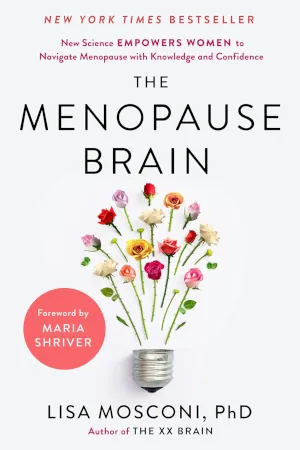
Cognitive and emotional changes are often frightening when women have been taught to think of menopause as an ovarian event alone. Mosconi explains the transition as a neurological renovation involving estrogen, energy metabolism, temperature regulation, sleep, mood, and memory. Brain fog is presented as common and usually temporary, while persistent or unusual symptoms still deserve assessment. Within this collection, the book combines reassurance with long-term brain-health questions about movement, food, cardiovascular risk, stress, and individualized hormone care. Its central contribution is restoring context: a changing brain is not necessarily a failing brain, and women deserve explanations before fear fills the gap.
About Lisa Mosconi
Lisa Mosconi found it astonishing—personally as a woman and professionally as a neuroscientist—that no one had imaged brains before and after menopause. That research gap turned her laboratory work into a wider mission to explain women’s neurological transition without fear.

Some links may be affiliate links. This does not affect our editorial selection.