Minimal abstract symbol with two horizontal lines in soft sand and teal tones, representing sleep and rest.

Sleep & Rest

Sleep in midlife can change without warning — lighter, shorter, more easily disrupted, even when you’re tired. Rest is bigger than hours: the ability to downshift, feel safe, and let your system soften. Together they point to a simple need we often ignore: you can’t live well in a body that never truly lands.

Today’s wink:

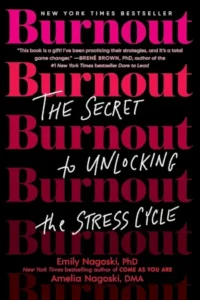
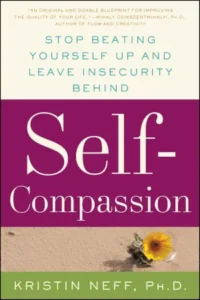
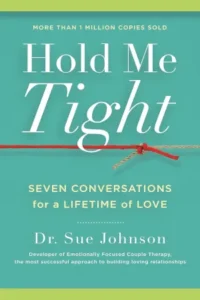
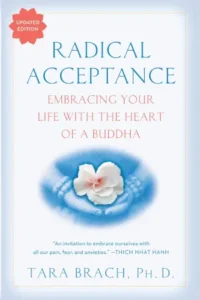
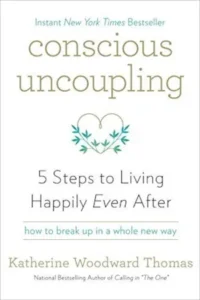
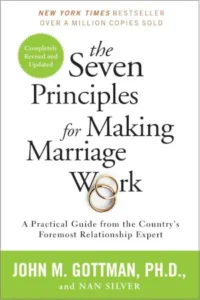
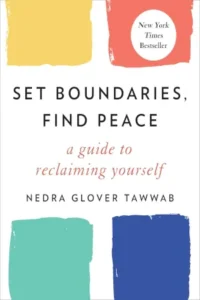
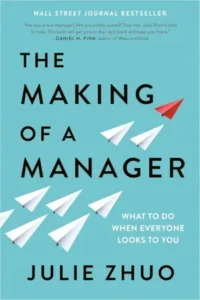
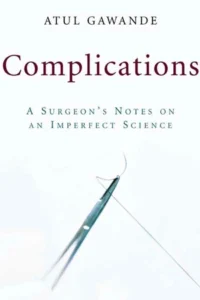
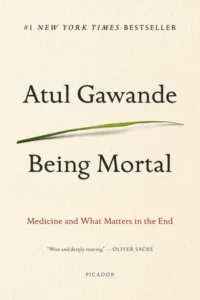
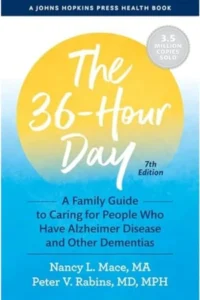
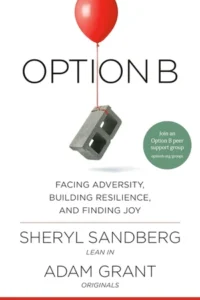
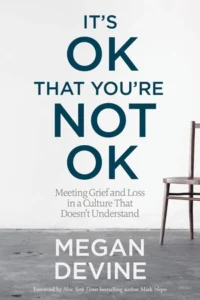
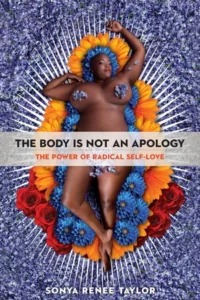
Book picks for reflection & discussion

Orientation — When Rest Stops Coming Automatically

Sleep often changes in midlife, even for women who have “always slept well.” Falling asleep may take longer, nights can become lighter or more fragmented, and waking up rested is no longer guaranteed. For some, rest is disrupted by physical discomfort or hormonal shifts; for others, by a mind that refuses to slow down after the day ends.

What makes this stage challenging is that rest is no longer just about sleep itself. It becomes entangled with stress, emotional load, caregiving responsibilities, work patterns, and the cumulative effect of years spent staying alert for others. Many women find themselves tired even after time in bed, unsure whether the issue is physical, mental, or something deeper.

Sleep & Rest addresses this widening gap between rest and recovery. Rather than viewing rest as something to optimise or “fix,” this category recognises it as a foundational need that reflects how supported — or overstretched — life feels overall. Rest here is understood not only as sleep, but as the ability to pause, recover, and let the nervous system settle in a phase of life that often demands constant readiness.


The Lens — How Rest Connects Across Midlife

This category is anchored in Physical Health & Energy, with close ties to other midlife dimensions:

  • Rest ↔ Mind
    Mental overload, rumination, and unprocessed stress often interfere with the body’s ability to downshift into restorative rest.
  • Rest ↔ Emotion
    Emotional strain and unresolved tension can surface at night, affecting sleep quality and overall recovery.

Seen through this lens, rest is not passive. It reflects how safely the body and mind can let go, and how well recovery is supported in daily life.

Rest deepens naturally ...

Exploration — Living With Fatigue and Interrupted Rest

Rebuilding recovery without pressure

Sleep & Rest focuses on how women relate to tiredness and recovery when rest no longer comes easily. Attention is given to recognising patterns of depletion, understanding what interferes with restoration, and reconsidering expectations around productivity and availability.

Rather than promising perfect sleep, this category supports a broader understanding of rest — one that includes pauses during the day, emotional release, boundary-setting, and gentler rhythms. The emphasis is on creating conditions that allow recovery to happen over time, instead of forcing outcomes.

Rest is treated here as a form of care rather than a reward. By listening to what fatigue communicates and allowing recovery to become part of daily life, women can begin to experience steadier energy and a deeper sense of physical and mental safety — even when sleep remains imperfect.

... when nothing needs proving ...

Some women explore these themes privately, through reading and reflection. Others prefer to follow how ideas evolve through shared conversation — in book clubs, podcasts, and ongoing dialogue. Both belong in our community.

Questions women often ask before choosing a book

Many women notice lighter, more fragmented sleep in midlife, often without a clear cause. The body can become more sensitive to stress, hormones, temperature, routines, or an overactive mind. Waking during the night doesn’t automatically signal a problem, but it can feel unsettling when it becomes a pattern. For many, this is what brings rest into focus — not just sleep hours, but whether the nervous system ever fully settles.

Sleep is the biological reset — what happens when the body switches offline enough to repair and restore. Rest is broader: the ability to downshift mentally, emotionally, and physically, even outside the night. In midlife, these often separate. You can sleep “enough” and still feel unrested if your days never truly soften. Together, Sleep & Rest recognize that recovery isn’t only about nights — it’s about how your system lands at all.

A good match is a book that reduces pressure rather than adding routines to master. Many women prefer a calm, grounding tone — something that helps the mind soften instead of analyze sleep. Story-led or reflective books often work well here because they don’t turn rest into a performance. The best pick is one that feels reassuring at night, not another thing you have to “do right” before bed.

They’re gathered on Behind the themes — our reference shelf for background reading, research links, and recommended resources that inform how sleep and restoration are approached. It’s organized to be browsable rather than technical, so you can explore when curiosity arises without turning it into another rabbit hole. The main pages stay uncluttered; the sources live together in one place.

The Midlife Books Library makes it easy to scan options at a glance: each title has a short description (about 30 words), so you can compare tone and focus without reading long blurbs. It’s useful when you’re tired and want clarity — helping you shortlist a few books that feel calming, practical, or reflective, and then stop searching when something feels right.

Continue if this feels helpful

Checkboxes
Checkboxes

... and sleep is allowed to arrive.

Scroll to Top