Abstract spiral symbol in soft teal and sand tones representing mind and awareness.

Mind & Awareness

The mind in midlife can feel sharper — and also louder, as old worries and new responsibilities compete for space. Awareness is the moment you notice: the thought you keep repeating, the trigger you keep excusing, the truth you keep delaying. Together they shift the story from overthinking to clarity — the kind that quietly changes everything.

Today’s wink:

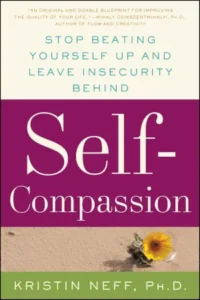
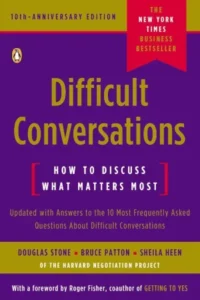
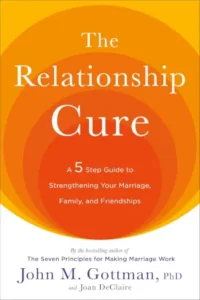
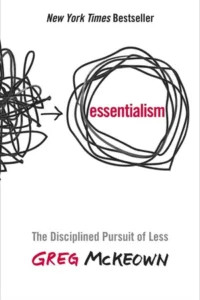
Book picks for reflection & discussion

Orientation — When the Inner Noise Gets Louder

For many women, midlife brings a noticeable shift in mental landscape. Thoughts feel busier, worries loop more easily, and the mind may seem less forgiving than it once was. Concerns about the future, unfinished responsibilities, health, finances, family, and meaning can stack up, creating a sense of constant background noise — even during moments that should feel calm.

At the same time, awareness often deepens. Patterns that once ran unnoticed become more visible: habitual self-criticism, automatic anxiety, mental over-planning, or the tendency to stay mentally “on” long after the day has ended. What used to feel like mental strength — thinking ahead, anticipating problems, staying alert — can begin to feel exhausting.

Mind & Awareness focuses on this shift in attention. Rather than treating the mind as something to discipline or silence, it looks at awareness as a relationship. This category creates space to notice how thoughts arise, how attention moves, and how mental habits shape emotional and physical experience. The emphasis is not on clearing the mind, but on developing steadier awareness in a life stage where reflection, perspective, and mental gentleness become increasingly important.


The Lens — How Awareness Shapes Experience

This category is anchored in Mind & Awareness, while intersecting closely with other midlife dimensions:

  • Mind ↔ Emotion
    Thought patterns strongly influence emotional tone, affecting anxiety levels, mood stability, and resilience.
  • Mind ↔ Body
    Mental tension often expresses itself physically through restlessness, fatigue, sleep disturbance, or difficulty relaxing.

Seen through this lens, awareness is not abstract or detached. It plays a practical role in how women process stress, make decisions, and relate to themselves in daily life.

Clarity emerges slowly ...

Exploration — Living With a Busier Inner World

Finding steadiness without needing to control every thought

The focus here is on how women live with their minds, rather than against them. Attention is given to noticing mental habits, recognising when thinking becomes overwhelming, and understanding how awareness can soften reactivity instead of amplifying it.

Mind & Awareness holds space for practices and reflections that support presence without striving for perfection. This includes learning when to engage the mind and when to let thoughts pass without action. The aim is not constant calm or positive thinking, but a more balanced relationship with inner experience — one that allows clarity, rest, and perspective to coexist with responsibility and complexity.

Rather than offering techniques to “fix” the mind, this category supports a shift toward awareness that is grounded, compassionate, and sustainable across changing life circumstances.

... when the mind stops managing ...

Some women explore these themes privately, through reading and reflection. Others prefer to follow how ideas evolve through shared conversation — in book clubs, podcasts, and ongoing dialogue. Both belong in our community.

Questions women often ask before choosing a book

Because responsibilities accumulate, and the mind becomes the place where everything gets managed — family, work, health, finances, relationships, and future-planning. Midlife can also make older patterns more visible: worry loops, perfectionism, people-pleasing, and the habit of thinking your way out of feelings. “Louder” doesn’t always mean worse; it often means you’re noticing the noise you used to override. Noticing is the beginning of change.

Mind is thought — planning, analyzing, remembering, anticipating. Awareness is the moment you notice the thought rather than automatically obeying it. Midlife often brings both: a mind that works hard, and a growing desire for more inner space. Together, Mind & Awareness move the theme away from “fix me” and toward clarity — the kind that helps you see what’s driving you, what’s protecting you, and what you’re ready to loosen.

A strong pick is one that creates spaciousness rather than adding more mental work. Many women prefer a book that feels simple, grounded, and kind — something that interrupts loops without turning calm into a project. Practical frameworks can help, but only if they reduce pressure instead of increasing it. Story-led books can also work beautifully here because they offer recognition first, and from that place, insight tends to land more naturally.

If you like to trace what sits behind a theme, you’ll find it on Behind the themes — our reference shelf for external reading, research links, and recommended resources. It’s organized to be browsable, not overwhelming, so you can dip in and out as you like. You don’t need it to enjoy the page, but it’s there for anyone who appreciates an evidence-informed trail behind the curation and conversations.

The Midlife Books Library is the fastest way to scan options: every title has a short description (around 30 words) so you can compare tone and angle without spending ages reading blurbs. It’s useful if you’re choosing for yourself or shortlisting a few contenders for a group. The goal is simple: quick orientation, clear choices, and a calm path to explore further when something catches your attention.

Continue if this feels helpful

Checkboxes
Checkboxes

... and awareness can widen.

Scroll to Top