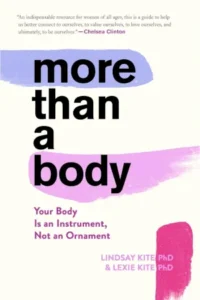
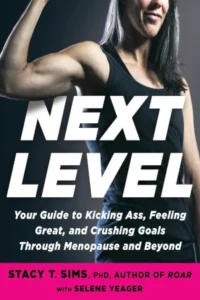
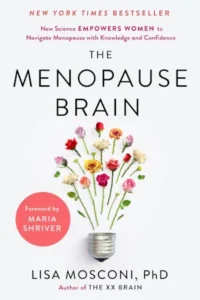
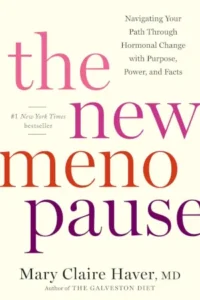
The body tends to become less “background” in midlife. Sensations are easier to notice, recovery may slow, and changes can appear without obvious causes or neat explanations. For many women, it doesn’t feel like something is broken — it feels like the body is asking for a different kind of relationship: more attention, more honesty, and often more care.
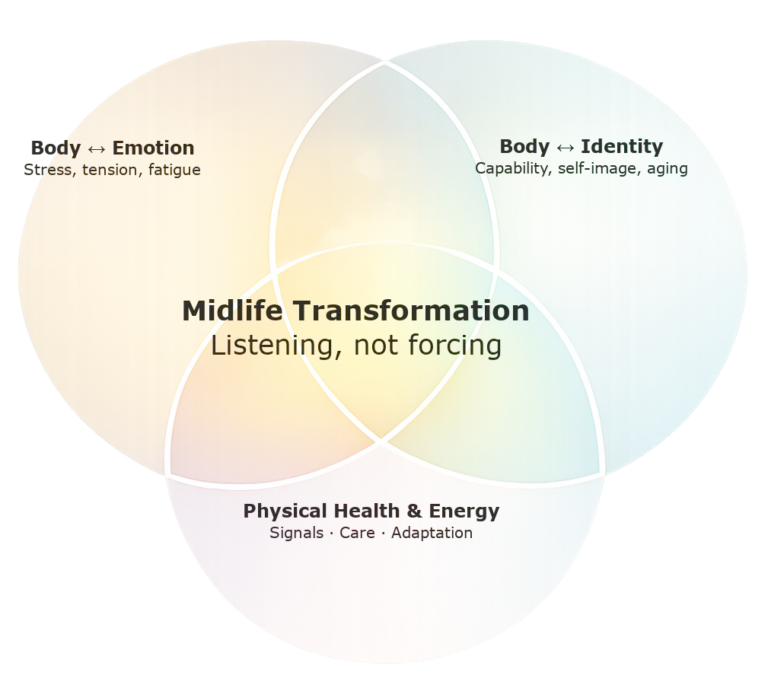
This shift frequently arrives after years of pushing through. Prioritising others, ignoring discomfort, and treating symptoms as interruptions can become long-standing habits. In midlife, those strategies often lose their effectiveness. Signals that used to be manageable — fatigue, tension, pain, disrupted sleep, inflammation, hormonal shifts — may become more persistent, inviting a reassessment of what “health” actually means in daily life.
Health & Body is framed here as dialogue rather than control. Physical wellbeing is understood as dynamic and interconnected — influenced by stress, emotional history, rest, movement, nourishment, hormonal change, and the pace at which life is being lived. This category creates space to listen without panic, respond without perfectionism, and rebuild trust in the body as something that adapts over time.