Abstract infinity-shaped symbol in soft sand and teal tones representing identity and selfhood.

Identity & Self

Identity in midlife can feel like a label you’ve outgrown — familiar, but suddenly too small. The self is what remains when roles soften: preferences, boundaries, desires, and the parts of you that don’t need approval. Together they hold a quiet truth: you’re not becoming someone else — you’re becoming more you.

Today’s wink:

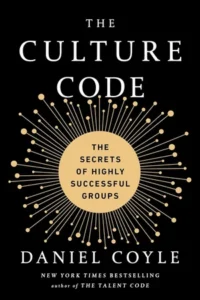
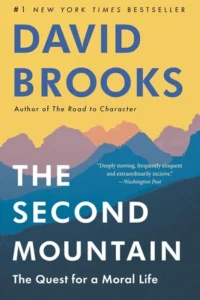
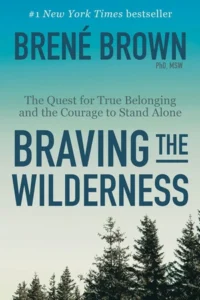
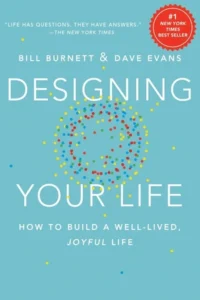
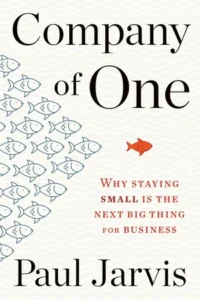
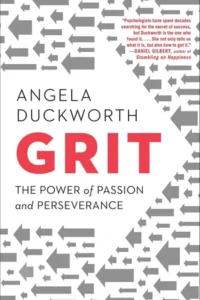
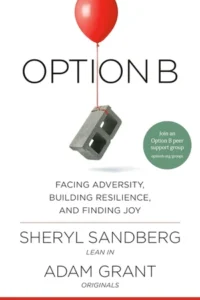
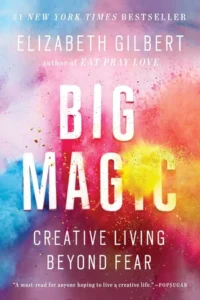
Book picks for reflection & discussion

Orientation — When Who You Are Starts to Feel Less Certain

At some point in midlife, questions about identity begin to surface more insistently. Roles that once offered clarity — professional, relational, familial — may lose their defining power. What used to feel like a solid sense of self can become less obvious, leaving room for uncertainty about who remains once obligations and expectations shift.

This process rarely arrives as a crisis. More often, it unfolds gradually as experience accumulates and earlier assumptions no longer hold. Values may subtly change. Priorities rearrange themselves. Parts of the self that were set aside in earlier years can reappear, sometimes quietly, sometimes with urgency. Alongside this, long-held standards — both personal and cultural — may begin to feel restrictive or out of sync with lived reality.

Identity & Self centres on this in-between space. Rather than treating identity as something to redefine or repair, it is understood as something that evolves over time. This category allows room for continuity and change to coexist — acknowledging both the history a woman carries and the freedom to relate to herself differently, without pressure to perform reinvention or arrive at a final version.

The Lens — How Identity Interacts Across Midlife

This category is anchored in Meaning & Direction, with close connections to other core midlife dimensions:

  • Identity ↔ Emotion
    Shifts in self-understanding often bring emotional responses such as uncertainty, grief, relief, or renewed confidence.
  • Identity ↔ Body
    Physical changes, health experiences, and the process of aging can influence how women experience capability, presence, and self-image.

Through this lens, identity is not separated from life circumstances. It takes shape through experience, emotional response, and embodiment over time.

Identity settles in midlife ...

Exploration — Living With an Evolving Sense of Self

Honouring continuity while allowing change.

Storytelling-led conversations at Midlife Health Studio hold identity with nuance rather than urgency. Attention is given to how women make sense of their stories, notice internal narratives, and reconsider the roles and expectations that guide daily decisions.

Identity & Self makes space for reflection rather than definition. We look at how self-worth can be reshaped beyond productivity, usefulness, or approval, and how identity can remain coherent while still allowing flexibility. The intention is not to fix who someone is, but to support self-trust and clarity in a life stage where authenticity carries more weight than external validation.

... when roles loosen their grip ...

Some women explore these themes privately, through reading and reflection. Others prefer to follow how ideas evolve through shared conversation — in book clubs, podcasts, and ongoing dialogue. Both belong in our community.

Questions women often ask before choosing a book

Midlife often loosens roles you’ve inhabited for a long time — caregiver, partner, professional, the reliable one. When those roles no longer fully define you, it can feel disorienting, even unsettling. At the same time, many women describe a quiet relief: less pressure to perform, more curiosity about what’s actually true. Identity feeling “in flux” is rarely about losing yourself; it’s often about outgrowing definitions that no longer fit the life you’re living now.

Identity is how you’ve been named — by roles, expectations, achievements, and the story you learned to tell about who you are. The self is what remains when those labels soften: preferences, boundaries, values, desires, and inner truth. In midlife, these two can diverge. Together, Identity & Self create space to examine what you’ve been carrying out of habit, and what still feels genuinely yours beneath the surface.

A strong match is a book that supports self-trust rather than self-improvement. Many women find confidence returning through recognition and honesty, not motivation or reinvention. Story-led books often work well here because they normalize uncertainty and reduce comparison. The best pick won’t tell you who to become; it will help you feel steadier in who you already are — especially when familiar markers of confidence have shifted or fallen away.

They live on Behind the themes — our reference shelf for background reading, research links, and external resources that inform how categories and selections are weighed. It’s designed for browsing, not deep study, so you can explore the thinking behind the lens without turning it into a project. The main pages stay reflective and spacious; the references sit together for those who want the context.

Yes — when the focus stays on ideas, stories, and shared patterns rather than personal disclosure. Identity & Self often works well in groups because people recognize different parts of themselves without needing to explain their entire story. The right book creates space for insight and curiosity, allowing discussion to stay meaningful without crossing into therapy or requiring anyone to share more than they choose.

Continue if this feels helpful

Checkboxes
Checkboxes

... and the self stands unedited.

Scroll to Top