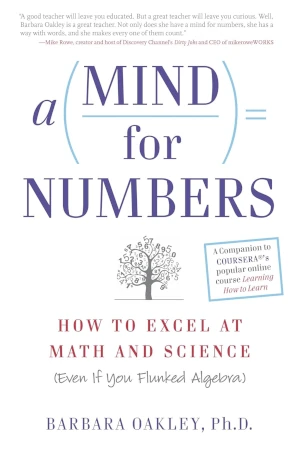
Oakley makes difficult learning more approachable through focused and diffuse thinking, retrieval, chunking, practice, and better responses to procrastination. Neuroscience supports the practical message: mathematical and technical ability can grow through method and persistence rather than being fixed at birth.
Work & Money
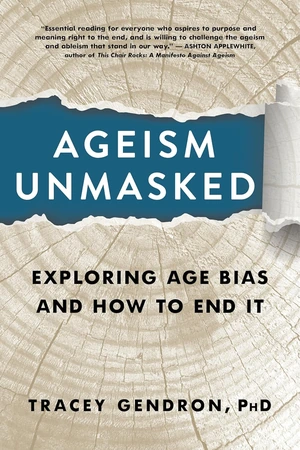
A gerontologist’s examination of ageism across language, work, healthcare, media, policy, family life, and self-perception. Gendron treats aging as lifelong development, showing how age hierarchies harm people at multiple stages and interact with ableism, sexism, racism, and inequality.
Brown distinguishes true belonging from reshaping oneself for approval in a polarized culture. Research and personal stories examine integrity, boundaries, civility, loneliness, collective pain, and the courage to stand alone without withdrawing from shared humanity.
A business argument against growth as the automatic measure of success. Jarvis encourages entrepreneurs to define enough, protect profitability, serve existing customers, build resilience, automate carefully, and use a smaller company to preserve autonomy, craft, boundaries, and quality of life.
A design-thinking framework for life and career decisions using reframing, alternative future plans, prototypes, conversations, and small experiments. Burnett and Evans replace the search for one perfect calling with a practical process for learning what could work.
A practical system for making invisible household and caregiving labor visible, discussable, and more equally owned. Rodsky organizes responsibilities from conception through planning and execution, while defending each partner’s right to time, rest, work, and personally meaningful “unicorn space.”
Zelinski focuses on retirement’s nonfinancial foundations: purpose, health, friendship, leisure, creativity, travel, and daily structure. His unconventional approach encourages readers to build an identity and social world that remain alive after employment stops defining time and status.
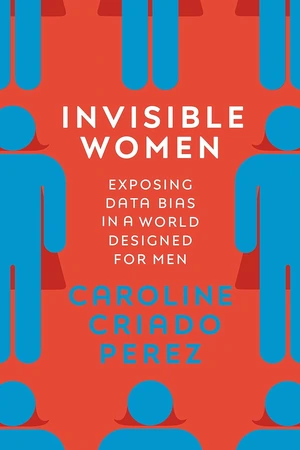
A global investigation of the gender data gap across medicine, transport, work, technology, disaster planning, public space, and unpaid care. Criado Perez shows how supposedly neutral systems repeatedly use men as the default, creating measurable risks and exclusions for women.
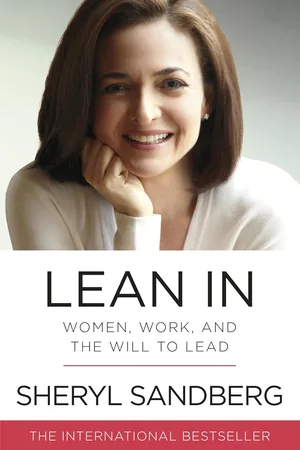
Sandberg addresses ambition, leadership, negotiation, mentorship, partnership, and workplace confidence through research, personal stories, and practical advice. The book remains influential and contested because individual behavior cannot replace structural reform, affordable care, flexibility, or equal opportunity.
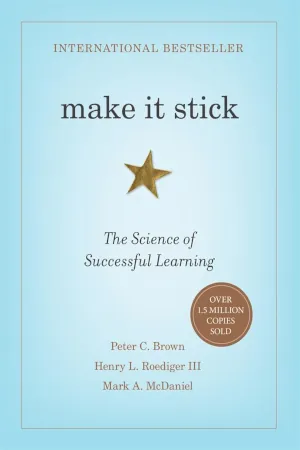
A science-based guide to durable learning through retrieval, spacing, interleaving, testing, and productive difficulty. Brown, Roediger, and McDaniel explain why familiar techniques such as rereading and cramming feel effective while often producing weaker long-term understanding and recall.
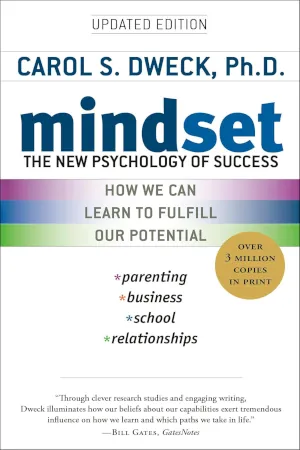
A psychology-based account of how beliefs about ability shape responses to effort, challenge, criticism, and failure. Dweck contrasts fixed and growth mindsets, showing how learning improves when setbacks become information—while emphasizing that growth requires effective strategies and support, not effort alone.
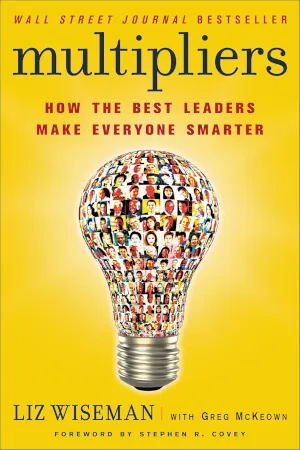
A leadership framework contrasting Multipliers, who expand other people’s intelligence and ownership, with Diminishers who unintentionally suppress capability. Wiseman identifies practices involving talent, challenge, debate, decision-making, and investment, helping managers replace rescue and control with conditions for stronger contribution.
A relationship-centered guide to networking built on generosity, preparation, follow-through, and genuine interest rather than collecting contacts. Ferrazzi treats community as something cultivated over time, showing how professional opportunity and personal support often grow from the same consistent habits of connection.
Cain challenges the “Extrovert Ideal” in schools and workplaces through temperament research, history, interviews, leadership, creativity, stimulation, and solitude. Her argument is environmental as much as personal: introverts contribute best when depth, preparation, and lower-intensity interaction are possible.
A research-rich case for breadth, experimentation, and delayed specialization in complex fields. Epstein draws on sports, science, music, invention, and career change to show how varied experience can improve adaptation, analogy, creativity, and problem-solving before deeper expertise develops.
A darkly comic pandemic novel about office routine, capitalism, immigration, nostalgia, and the habits people repeat after meaning has disappeared. Ma turns apocalyptic fiction into an unsettling study of work, memory, and the strange comfort of continuing as if nothing has changed.
A case-driven guide to building small businesses from useful skills, limited capital, and direct customer value. Guillebeau favors experimentation over elaborate planning, offering practical lessons for people who want greater autonomy, flexible income, or a venture that serves life rather than consuming it.
Sieghart investigates why women’s expertise is more readily doubted, interrupted, or overlooked. Studies and interviews from politics, business, culture, and public life reveal how authority bias operates and where individuals and institutions can begin to challenge it.
A compact guide to coaching through seven repeatable questions rather than reflexive advice. Bungay Stanier helps managers identify the real challenge, clarify what people want, define useful support, and build autonomy while making curiosity an everyday leadership habit.
A dialogue introducing Adlerian psychology through questions of freedom, responsibility, inferiority, interpersonal tasks, contribution, and approval. Kishimi and Koga challenge deterministic readings of the past, though their rejection of trauma as causally decisive can feel overly absolute beside trauma-informed psychology.
Hibberd examines imposter feelings through perfectionism, comparison, discounted success, fear of exposure, and impossible standards. Exercises help readers gather evidence, revise self-beliefs, redefine competence, tolerate uncertainty, and act before confidence or external validation feels complete.
Smith organizes meaning around belonging, purpose, storytelling, and transcendence. Psychology, philosophy, spiritual traditions, and personal stories support the argument that significance grows through ordinary relationships and contribution, not only through happiness, achievement, or dramatic life purpose.
A darkly comic office novel about layoffs, group identity, illness, gossip, and the fear of becoming professionally disposable. Ferris uses a collective “we” to capture how colleagues can be intimate and competitive at once, especially when uncertainty turns ordinary work into survival.