
A humane examination of aging, serious illness, institutional care, hospice, autonomy, and end-of-life decisions. Gawande asks medicine to serve what matters most to each person, replacing treatment-at-any-cost with clearer conversations about goals, fears, trade-offs, and dignity.
Spirituality & Meaning
A lyrical braid of botany, Potawatomi teachings, motherhood, ecology, restoration, and memoir. Kimmerer brings Indigenous knowledge and Western science into conversation, asking how gratitude, reciprocity, gift economies, language, and responsibility can reshape human relationships with land and nonhuman life.
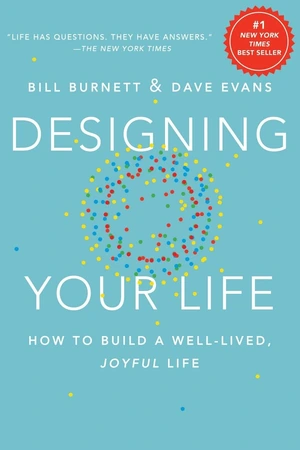
A design-thinking framework for life and career decisions using reframing, alternative future plans, prototypes, conversations, and small experiments. Burnett and Evans replace the search for one perfect calling with a practical process for learning what could work.
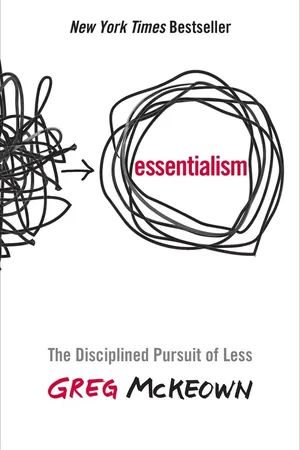
McKeown builds a disciplined case for doing less but better: identify the vital few, accept trade-offs, and remove nonessential demands. Practical tools protect attention, create space, strengthen boundaries, and make deliberate contribution more important than constant activity.
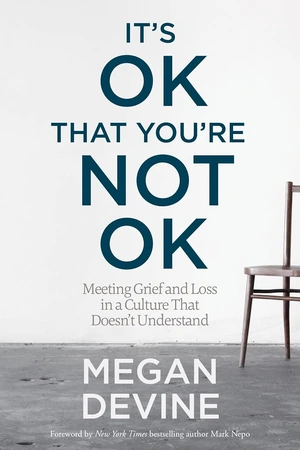
Devine rejects forced positivity, grief timetables, and the idea that loss should be repaired like a disorder. Professional knowledge and personal bereavement guide readers toward reducing avoidable suffering, communicating needs, supporting others, and living alongside what cannot be fixed.
An imaginative survival novel about faith, fear, storytelling, and the human need for meaning. Martel places Pi between brutal reality and sustaining belief, asking whether the stories people choose can become part of how they endure uncertainty, isolation, and loss.
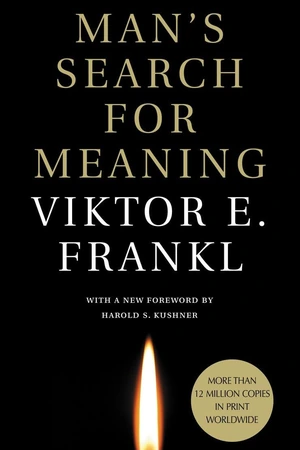
A Holocaust memoir and introduction to logotherapy, Frankl’s meaning-centered therapeutic approach. Drawing on concentration-camp imprisonment and later clinical work, he explores responsibility, love, work, suffering, and the human capacity to choose one’s stance when circumstances cannot be changed.
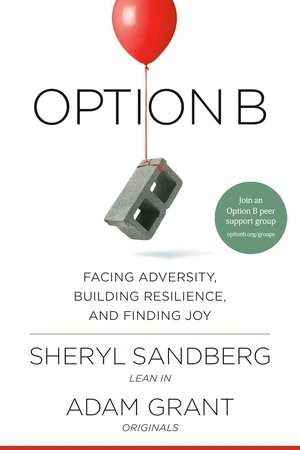
A memoir and psychology guide about grief, adversity, resilience, and post-traumatic growth. Sandberg describes life after her husband’s sudden death while Grant contributes research on support, self-compassion, meaning, and rebuilding, without claiming every loss produces a stronger person.
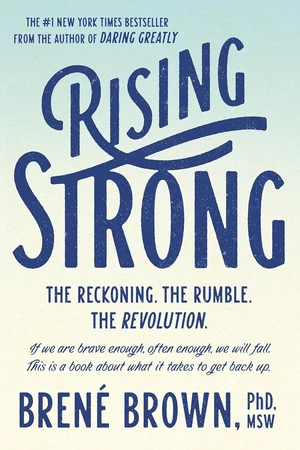
A research-based process for recovering after failure, betrayal, conflict, or disappointment. Brown describes reckoning with emotion, questioning the stories created around pain, and turning more truthful understanding into changed behavior, emphasizing curiosity and ownership rather than shame or a polished comeback.
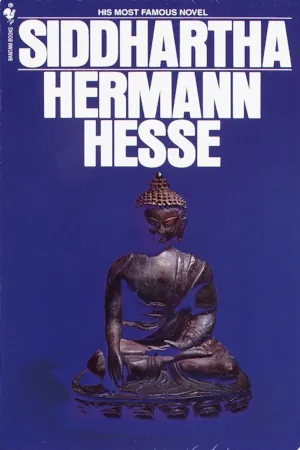
A spiritual novel following a young seeker through asceticism, wealth, love, loss, fatherhood, and the lessons of a river. Hesse rejects second-hand enlightenment, suggesting that wisdom cannot be transferred as doctrine but must be discovered through the contradictions of lived experience.
A scholarly history of the memory systems developed from antiquity through the Renaissance. Yates shows how imagined places, vivid images, rhetoric, philosophy, and spirituality shaped methods of remembering—revealing memory as a cultural and creative practice rather than a simple mental storage function.
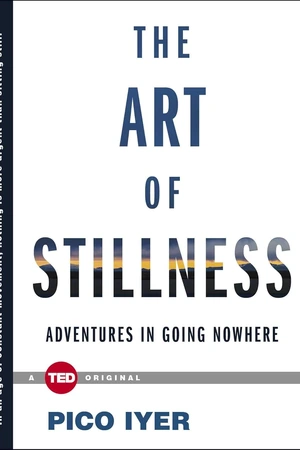
A brief, lyrical meditation on stillness in an accelerated world. Iyer draws on travel, monasteries, technology, silence, and voluntary retreat to argue that stepping away from constant movement can restore perspective, attention, and a more deliberate relationship with activity.
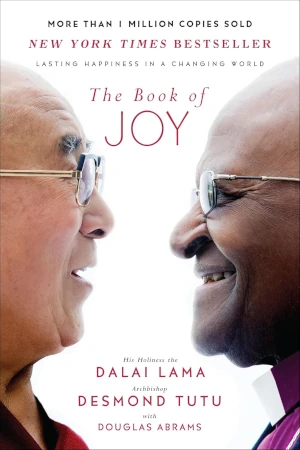
A week-long conversation between the Dalai Lama and Desmond Tutu about finding joy amid suffering. Their stories, humor, spiritual traditions, and friendship explore perspective, humility, gratitude, forgiveness, compassion, and the daily practices that keep hardship from defining an entire life.
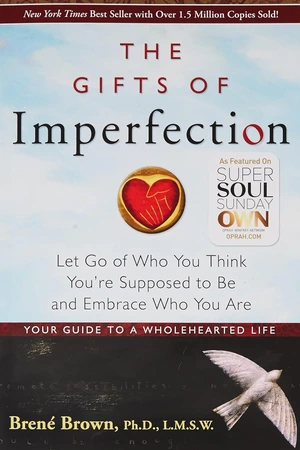
A guide to wholehearted living through authenticity, self-compassion, resilience, gratitude, creativity, rest, play, meaningful work, and belonging. Brown organizes the book around letting go of perfectionism, comparison, anxiety, and social expectations while cultivating practices that support genuine participation.
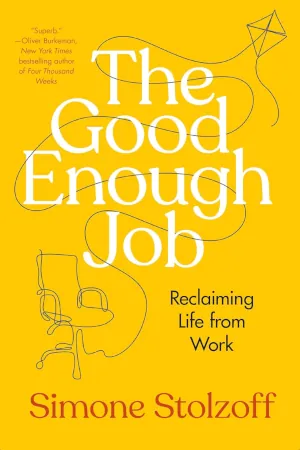
A reported critique of the expectation that employment should provide income, identity, status, purpose, and community all at once. Stolzoff profiles workers across industries and argues for broader sources of meaning, stronger limits, and jobs that support life rather than consuming it.
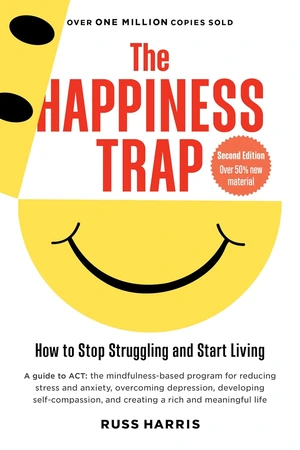
An accessible introduction to Acceptance and Commitment Therapy built around defusion, acceptance, values, present-moment awareness, and committed action. Harris challenges the pursuit of constant positive feeling, helping readers reduce struggle with thoughts while still moving toward a meaningful life.
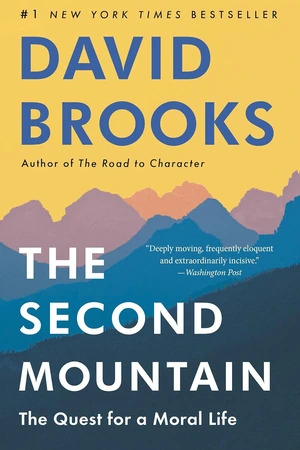
Brooks describes a second life phase organized around vocation, family, philosophy or faith, community, and service rather than achievement alone. Personal reflection and social commentary frame deeper commitment as an answer to success that has become emotionally insufficient.
An explicitly Christian novel about grief, anger, forgiveness, suffering, and an imagined encounter with God. Young uses spiritual conversation and family tragedy to explore healing without offering a conventional theological explanation for why devastating loss occurs.
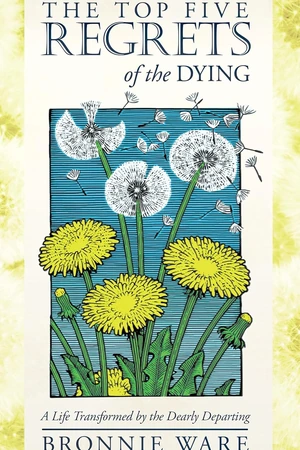
A memoir and reflection drawn from Ware’s years caring for people near death. Five recurring regrets—inauthentic living, overwork, unexpressed feelings, neglected friendship, and postponed happiness—become prompts for examining present choices rather than waiting for mortality to clarify priorities.
A collection of Strayed’s Dear Sugar advice columns, shaped by letters about grief, love, sex, family, regret, and impossible decisions. Her responses combine directness with radical empathy, using personal experience not to claim authority but to meet readers inside their uncertainty.
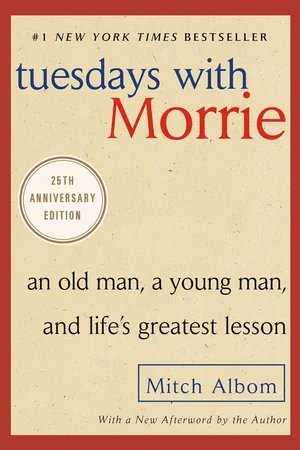
A memoir of Albom’s renewed Tuesday visits with his former professor Morrie Schwartz as ALS advances. Their conversations about work, love, family, regret, forgiveness, culture, aging, and death turn one teacher-student relationship into an intimate examination of what makes a life meaningful.
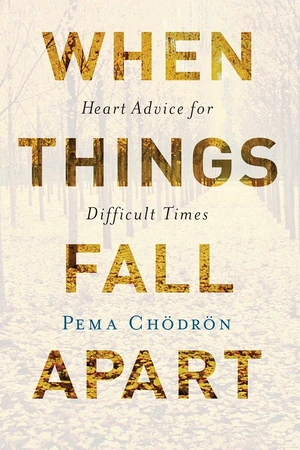
Chödrön teaches how to meet fear, grief, uncertainty, and groundlessness without immediately escaping or hardening. Meditation, compassion, and Tibetan Buddhist practice turn difficult experience into a field of attention while leaving practical and medical needs fully intact.
An accessible collection of short mindfulness reflections and practices for sitting, walking, breathing, sensing, and meeting ordinary life with nonjudgmental awareness. Kabat-Zinn presents meditation not as escape or self-improvement, but as repeated attention to the moment already happening.
A lyrical examination of life’s fallow periods through memoir, nature, cold, hibernation, and cultural ritual. May argues that illness, grief, exhaustion, and disruption require preparation and care, reframing withdrawal as a recurring human season rather than failure or permanent defeat.