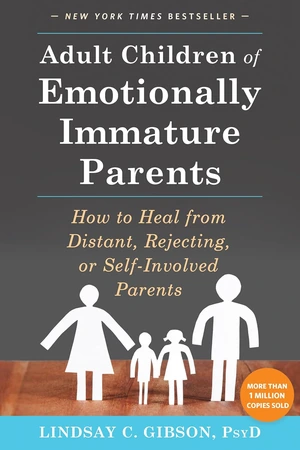
Gibson names emotionally unavailable, self-absorbed, passive, driven, and reactive parenting patterns and their effects on adult children. Recognition of emotional loneliness, overfunctioning, and unrealistic hope creates room for stronger boundaries, self-trust, and relationships built on reciprocity.
Sleep & Rest
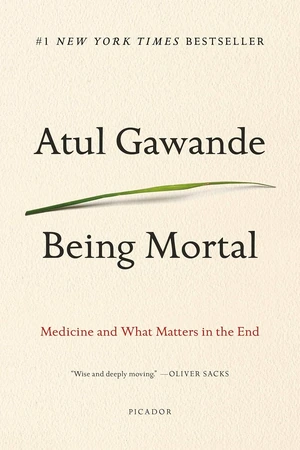
A humane examination of aging, serious illness, institutional care, hospice, autonomy, and end-of-life decisions. Gawande asks medicine to serve what matters most to each person, replacing treatment-at-any-cost with clearer conversations about goals, fears, trade-offs, and dignity.
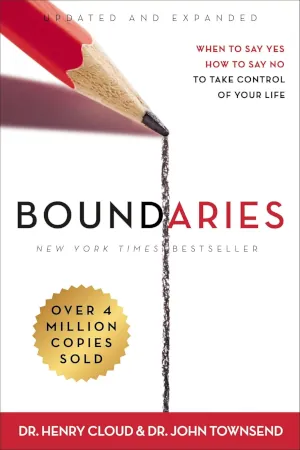
A faith-informed guide to recognizing personal responsibility and setting limits in relationships, work, family, and caregiving. Cloud and Townsend distinguish boundaries from rejection, showing how unspoken limits can produce resentment, enabling, exhaustion, and confusion about what one person truly owes another.
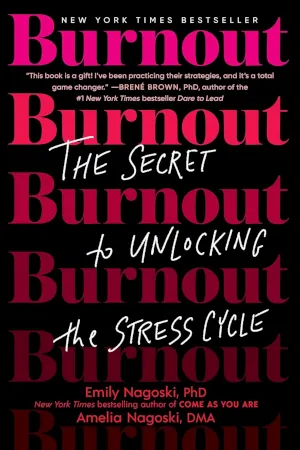
Burnout explains why removing a stressor does not automatically complete the body’s stress response. The Nagoski sisters connect physiology, gender expectations, movement, rest, affection, and meaning, replacing individual failure with a wider account of how exhaustion develops and recovery begins.
A candid collection of surgical stories about fallibility, uncertainty, innovation, training, and difficult judgment. Gawande examines how capable clinicians learn, make errors, and act with incomplete information, presenting medicine as a human practice that requires both technical skill and humility.
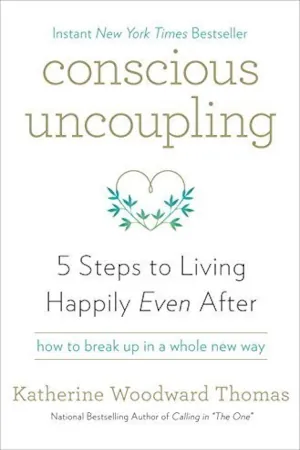
Woodward Thomas offers five steps for moving through separation with less blame, retaliation, and lasting damage. Emotional reflection, personal responsibility, practical restructuring, and future-oriented healing matter especially when children or shared family ties prevent a clean emotional break.
A relationship workbook structured around eight conversations about trust, conflict, sex, money, family, play, spirituality, and shared dreams. The Gottmans combine research, questions, and date plans to help couples renew curiosity and discuss recurring differences without requiring total agreement.
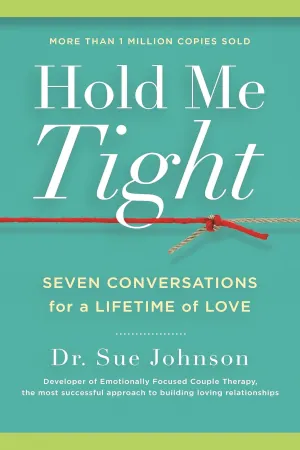
A relationship guide built around Emotionally Focused Therapy and adult attachment. Johnson helps couples recognize the fear beneath criticism and withdrawal, interrupt recurring conflict cycles, and create conversations in which vulnerability, responsiveness, and repair can restore a stronger sense of emotional security.
Devine rejects forced positivity, grief timetables, and the idea that loss should be repaired like a disorder. Professional knowledge and personal bereavement guide readers toward reducing avoidable suffering, communicating needs, supporting others, and living alongside what cannot be fixed.
A memoir and psychology guide about grief, adversity, resilience, and post-traumatic growth. Sandberg describes life after her husband’s sudden death while Grant contributes research on support, self-compassion, meaning, and rebuilding, without claiming every loss produces a stronger person.
A dreamlike fantasy narrated by a man living inside an immense House of halls, statues, tides, and damaged memory. Clarke uses wonder, journals, manipulation, isolation, and rediscovered evidence to explore identity, captivity, knowledge, trust, and the difficult return to a wider world.
Brach addresses shame, fear, and the belief of being fundamentally inadequate through Buddhist psychology. Meditation, compassion, stories, and the RAIN practice show how accepting present experience can support change without turning pain into identity or acceptance into resignation.
Neff introduces self-compassion as mindfulness, common humanity, and kindness directed inward during difficulty. The method addresses shame and perfectionism while drawing a clear line between compassion and passivity, self-indulgence, emotional avoidance, or simply lowering personal standards.
Tawwab turns boundaries into concrete behavior across work, family, friendship, technology, and self-care. Scripts and examples address guilt, resentment, overcommitment, and other people’s reactions, emphasizing that a limit only becomes real when communication is followed by consistent action.
A longstanding family guide to Alzheimer’s disease and other dementias, covering behavior, communication, safety, daily care, medical decisions, residential options, and caregiver wellbeing. Mace and Rabins combine practical planning with recognition of the emotional and physical strain on families.
A week-long conversation between the Dalai Lama and Desmond Tutu about finding joy amid suffering. Their stories, humor, spiritual traditions, and friendship explore perspective, humility, gratitude, forgiveness, compassion, and the daily practices that keep hardship from defining an entire life.
A practical examination of intuition, manipulation, stalking, and the warning patterns that may precede violence. De Becker distinguishes specific fear from generalized anxiety, helping readers notice coercive behavior, resist pressure to remain polite, and respond to credible danger with clearer action.
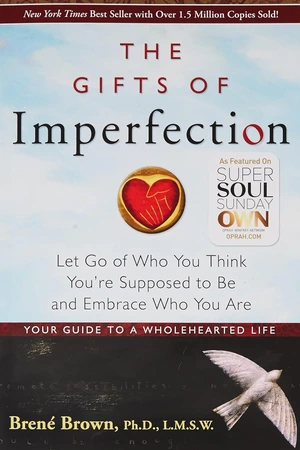
A guide to wholehearted living through authenticity, self-compassion, resilience, gratitude, creativity, rest, play, meaningful work, and belonging. Brown organizes the book around letting go of perfectionism, comparison, anxiety, and social expectations while cultivating practices that support genuine participation.
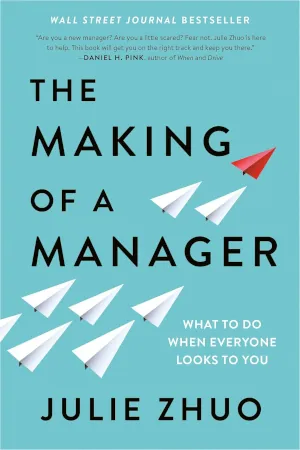
A candid guide to the transition from individual contributor to manager, covering one-to-ones, feedback, hiring, meetings, team design, and difficult decisions. Zhuo treats management as a learnable practice shaped by clarity, trust, reflection, and the ability to help other people succeed.
Gaiman returns an adult narrator to the landscape of childhood, where memory, supernatural danger, sacrifice, protection, and the Hempstock women blur together. The novel asks how children perceive terror and how adults reshape experiences too difficult to remember directly.
Brooks describes a second life phase organized around vocation, family, philosophy or faith, community, and service rather than achievement alone. Personal reflection and social commentary frame deeper commitment as an answer to success that has become emotionally insufficient.
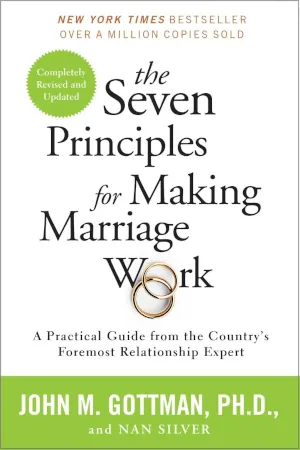
A research-based marriage guide built from decades of observing couples. Gottman translates patterns such as friendship, emotional bids, fondness, conflict management, shared meaning, and the “Four Horsemen” into practical exercises for strengthening connection and repairing recurring difficulties.