A gentle solarpunk novella about a tea monk and a wild-built robot exploring purpose, rest, nature, usefulness, and what humans truly need. Chambers offers hopeful science fiction in which curiosity and companionship matter more than crisis, conquest, or constant productivity.
Purpose & Direction
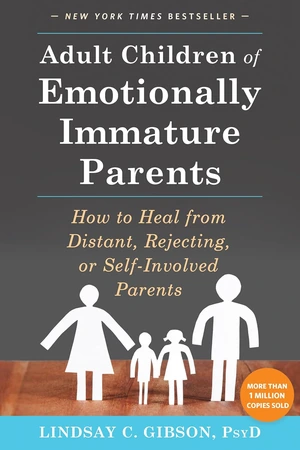
Gibson names emotionally unavailable, self-absorbed, passive, driven, and reactive parenting patterns and their effects on adult children. Recognition of emotional loneliness, overfunctioning, and unrealistic hope creates room for stronger boundaries, self-trust, and relationships built on reciprocity.
A faith-informed guide to recognizing personal responsibility and setting limits in relationships, work, family, and caregiving. Cloud and Townsend distinguish boundaries from rejection, showing how unspoken limits can produce resentment, enabling, exhaustion, and confusion about what one person truly owes another.
A compassionate, science-based guide to desire, arousal, and pleasure that explains why context matters. Nagoski replaces shame with curiosity, helping readers understand stress, body image, and relationship safety so changing intimacy can be explored rather than treated as evidence of failure.
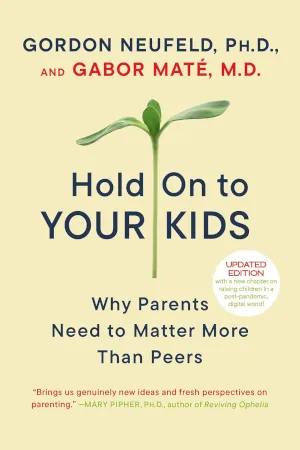
An attachment-based argument that children need strong emotional orientation toward responsible adults before guidance can take root. Neufeld and Maté examine peer influence, digital culture, dependence, and parental authority, offering ways to restore connection without confusing attachment with control.
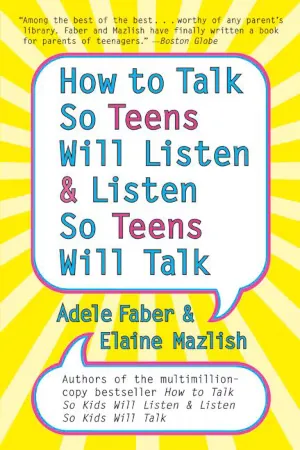
Faber and Mazlish give parents of adolescents language for listening, acknowledging emotion, gaining cooperation, solving problems, and setting limits. Their approach reduces lectures, punishment, and power struggles without surrendering adult responsibility, safety, or respectful expectations.
A child-centered framework for parenting across two homes after separation, divorce, or remarriage. Ricci offers practical systems for schedules, communication, holidays, conflict reduction, new partners, and shared decisions, encouraging former partners to build a workable co-parenting relationship without requiring emotional closeness.
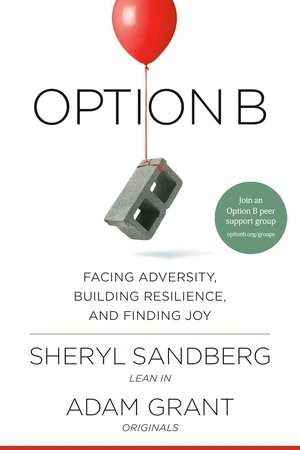
A memoir and psychology guide about grief, adversity, resilience, and post-traumatic growth. Sandberg describes life after her husband’s sudden death while Grant contributes research on support, self-compassion, meaning, and rebuilding, without claiming every loss produces a stronger person.
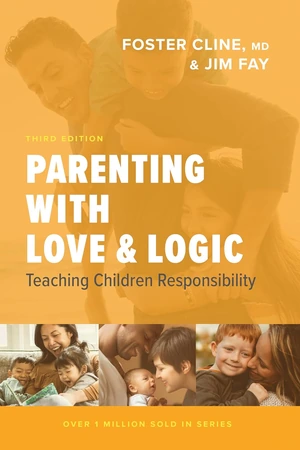
A parenting framework built around empathy, limited choices, enforceable boundaries, and natural or logical consequences. Cline and Fay aim to shift responsibility gradually toward children and reduce power struggles, although some examples benefit from updated developmental, relational, and safety-informed interpretation.
Weir sends an amnesiac teacher into a science-driven survival mission involving experiments, engineering, extinction risk, and an unexpected alien partner. Humor and friendship keep the technical problem-solving accessible, giving the adventure emotional momentum as well as intellectual pleasure.
Clarke-Fields begins with adult self-regulation rather than child behavior. Meditation, nervous-system awareness, respectful communication, boundaries, cooperation, and repair support a parenting practice based on repetition, self-compassion, and accountability instead of the fantasy of permanent calm.
Faber and Mazlish challenge comparison, labels, forced sharing, and the demand that siblings remain harmonious. Through family examples and usable language, they help parents acknowledge jealousy and anger while treating each child as a separate person with distinct needs.
A spiritual fable about an Andalusian shepherd pursuing a recurring dream across North Africa. Coelho explores purpose, fear, work, love, omens, and the “Personal Legend,” though the novel’s faith in destiny can understate structural barriers, luck, and conflicting responsibilities.
A social psychologist’s argument that smartphones, social media, reduced independence, and declining free play have reshaped childhood and adolescent mental health. Haidt proposes collective norms around devices, schools, age limits, and real-world play, while some causal claims remain actively debated.
Perry traces how parents’ own childhood experiences surface in ordinary family moments. Through emotional awareness, repair, apology, and clearer boundaries, she shows how adults can interrupt inherited patterns without turning parenting into blame, perfectionism, or endless self-analysis.
Jay argues that the twenties matter for identity, work, relationships, and future options without imposing one correct timetable. Developmental science and client stories encourage deliberate choices while leaving room for different careers, family structures, and paths into adulthood.
A psychologist’s guide to understanding adolescent emotion without treating normal distress as pathology. Damour explains how teenagers discharge feelings, seek independence, use peers, and test limits, helping adults support regulation while maintaining boundaries and recognizing when professional intervention is warranted.
A teacher-parent’s argument that overprotection can undermine children’s motivation, competence, and resilience. Lahey offers practical guidance for homework, grades, sports, friendships, and household responsibility, helping adults provide safety and empathy without rescuing children from every manageable mistake or consequence.
A science-based family guide to earlier puberty in girls, covering hormonal timing, body composition, environmental exposures, stress, emotional development, and social pressure. Greenspan and Deardorff help adults discuss changing bodies without shame while distinguishing physical development from psychological readiness.
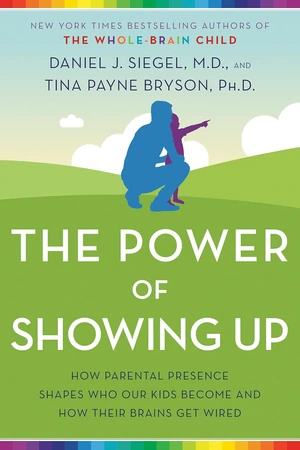
An attachment-based parenting guide organized around helping children feel safe, seen, soothed, and secure. Siegel and Bryson translate developmental neuroscience into practical presence and repair, emphasizing that reliable enough connection—not flawless parenting—supports resilience across childhood and later life.
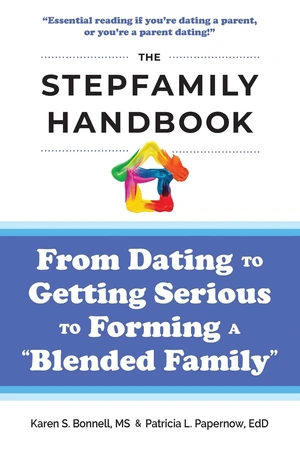
Papernow and Bonnell follow recoupling from dating through commitment and stepfamily formation. Loyalty conflicts, pacing, former partners, finances, discipline, co-parenting, and couple protection are addressed with one repeated principle: trust and stepparent-child connection cannot be rushed into existence.
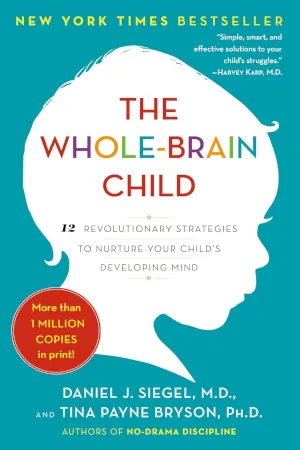
A practical translation of child-development neuroscience into twelve strategies for handling meltdowns, fear, memory, conflict, and emotional growth. Siegel and Bryson explain integration across different brain functions, giving parents language and exercises that make regulation, storytelling, connection, and repair easier to practice.
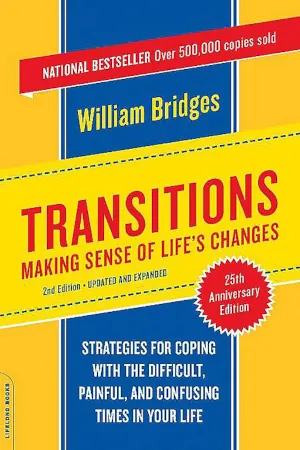
A classic framework distinguishing external change from internal transition. Bridges describes three psychological phases—ending, the neutral zone, and new beginning—helping readers understand why identity and confidence may lag behind events such as retirement, divorce, relocation, illness, or career change.
Damour organizes adolescence around seven developmental transitions, from separating from childhood to entering adulthood. Her framework helps parents interpret conflict, friendship, risk, romance, and independence while remaining available, distinguishing useful guidance from control and healthy separation from rejection.