
Mind & Awareness

#108
Cover of Atomic Habits

Atomic Habits

James Clear

A behavior-change guide built around small improvements, environmental design, identity, cues, rewards, and repeatable systems. Clear explains how habits become easier or harder according to their context, emphasizing consistency and recovery from lapses rather than relying on motivation or dramatic goals.

James Clear is an author and speaker turning research on habits, identity, systems, decisions, and improvement into practical writing.

#109
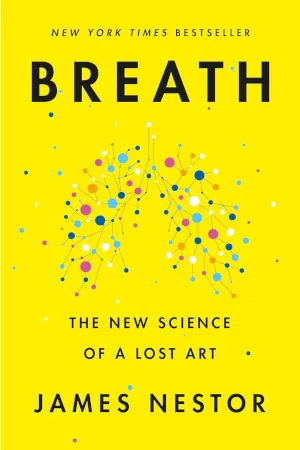
Cover of Breath

Breath

James Nestor

Nestor investigates nasal breathing, carbon dioxide tolerance, sleep, anatomy, freediving, and historical respiratory practices through reporting and personal experiments. The book is provocative and readable, though its broader health claims deserve interpretation rather than automatic acceptance as settled medical guidance.

James Nestor is a science journalist and author whose reporting explores breathing, freediving, human physiology, oceans, and respiratory health.

#002
Cover of Burnout

Burnout

Emily and Amelia Nagoski

Burnout explains why removing a stressor does not automatically complete the body’s stress response. The Nagoski sisters connect physiology, gender expectations, movement, rest, affection, and meaning, replacing individual failure with a wider account of how exhaustion develops and recovery begins.

Emily Nagoski and Amelia Nagoski combine neuroscience and compassion to explain stress, helping women rebuild energy through practical self-care.

#164
Cover of Daring Greatly

Daring Greatly

Brené Brown

Brown positions vulnerability—uncertainty, risk, and emotional exposure—as essential to courage, connection, creativity, parenting, and leadership. Shame, perfectionism, numbing, and defensive armor receive equal attention, alongside the distinction between meaningful openness and disclosure without judgment or boundaries.

Brené Brown, PhD, LMSW, researches vulnerability, courage, shame, empathy, leadership, and the emotional defenses people use against exposure.

#029
Cover of Difficult Conversations

Difficult Conversations

Stone, Patton and Heen

A practical framework for discussing subjects that trigger defensiveness, hurt, or fear. The authors separate facts, intentions, feelings, identity, and contribution, showing how to prepare, listen, and speak clearly without reducing a complex disagreement to blame or a contest over who is right.

Douglas Stone, Bruce Patton, and Sheila Heen are Harvard Negotiation Project educators, teaching ways to handle conflict with clarity and respect.

#118
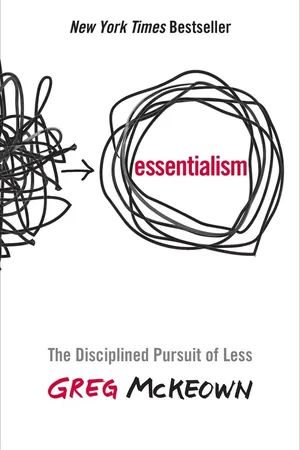
Cover of Essentialism

Essentialism

Greg McKeown

McKeown builds a disciplined case for doing less but better: identify the vital few, accept trade-offs, and remove nonessential demands. Practical tools protect attention, create space, strengthen boundaries, and make deliberate contribution more important than constant activity.

Greg McKeown is an author, speaker, and leadership strategist examining essentialism, priorities, trade-offs, focus, and meaningful contribution.

#032
Cover of Flowers for Algernon

Flowers for Algernon

Daniel Keyes

A compassionate science-fiction classic about intelligence, identity, and the ethics of changing a person to satisfy society’s idea of normal. Charlie’s progress reports reveal how ability affects power and belonging, while insisting that dignity should never depend on cognitive performance.

Daniel Keyes was an American author known for exploring intelligence, empathy, and identity through the classic Flowers for Algernon.

#042
Cover of Hold Me Tight

Hold Me Tight

Dr. Sue Johnson

A relationship guide built around Emotionally Focused Therapy and adult attachment. Johnson helps couples recognize the fear beneath criticism and withdrawal, interrupt recurring conflict cycles, and create conversations in which vulnerability, responsiveness, and repair can restore a stronger sense of emotional security.

Sue Johnson was a clinical psychologist and the primary developer of Emotionally Focused Therapy, an attachment-based approach to couples and relationships.

#137
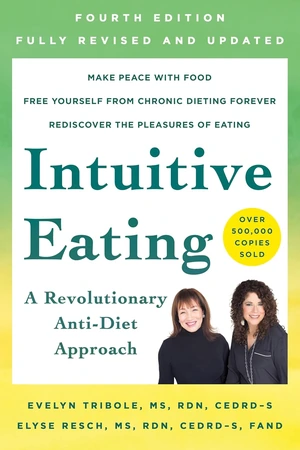
Cover of Intuitive Eating

Intuitive Eating

Evelyn Tribole and Elyse Resch

A weight-neutral, evidence-based framework for rebuilding trust with food and body through ten principles. Tribole and Resch challenge dieting, food morality, and external rules while integrating hunger, satisfaction, emotion, movement, body respect, and gentle nutrition without promising weight loss.

Evelyn Tribole and Elyse Resch are registered dietitian nutritionists and eating-disorder specialists who co-created Intuitive Eating in 1995.

#093
Cover of Klara and the Sun

Klara and the Sun

Kazuo Ishiguro

A near-future novel narrated by an Artificial Friend who observes a family facing illness, genetic enhancement, love, and possible replacement. Ishiguro uses Klara’s precise attention to explore devotion, sacrifice, technology, and whether a human being can ever be reduced to reproducible traits.

Kazuo Ishiguro is a British Nobel Prize–winning novelist exploring memory, identity, duty, loss, technology, and human connection.

#139
Cover of Maybe You Should Talk to Someone

Maybe You Should Talk to Someone

Lori Gottlieb

A candid therapy memoir told from both sides of the couch. Gottlieb follows several patients while becoming a patient herself, using humor and vulnerability to explore grief, relationships, mortality, self-deception, change, and the stories people construct to survive.

Lori Gottlieb is a psychotherapist, author, journalist, and advice columnist exploring therapy, relationships, narrative, grief, and change.

#051
Cover of More Than a Body

More Than a Body

Lexie and Lindsay Kite

A research-based challenge to self-objectification and appearance-centered body positivity. The Kite sisters show how living as an observer of one’s body can drain attention, confidence, and joy, replacing the demand to feel beautiful with the steadier practice of body image resilience.

Lexie Kite and Lindsay Kite, PhD, are twin body-image researchers and co-founders of the nonprofit Beauty Redefined.

#046
Cover of Rest Is Resistance

Rest Is Resistance

Tricia Hersey

A manifesto that reframes rest as liberation rather than reward. Hersey connects exhaustion with capitalism, racism, inherited trauma, and productivity culture, inviting readers to reclaim naps, stillness, imagination, and bodily autonomy without turning recovery into another task to perform efficiently.

Tricia Hersey is an artist, theologian, activist, and founder of The Nap Ministry, which frames rest as liberation and collective care.

#010
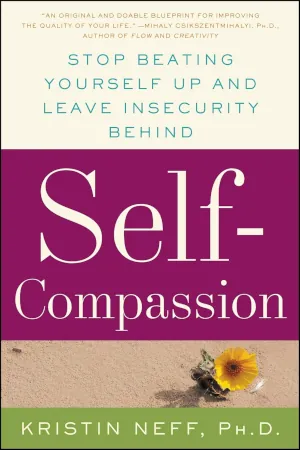
Cover of Self-Compassion

Self-Compassion

Kristin Neff

Neff introduces self-compassion as mindfulness, common humanity, and kindness directed inward during difficulty. The method addresses shame and perfectionism while drawing a clear line between compassion and passivity, self-indulgence, emotional avoidance, or simply lowering personal standards.

Kristin Neff is a psychologist and pioneering self-compassion researcher whose evidence-based work connects kindness, resilience, and emotional wellbeing.

#090
Cover of Set Boundaries, Find Peace

Set Boundaries, Find Peace

Nedra Glover Tawwab

Tawwab turns boundaries into concrete behavior across work, family, friendship, technology, and self-care. Scripts and examples address guilt, resentment, overcommitment, and other people’s reactions, emphasizing that a limit only becomes real when communication is followed by consistent action.

Nedra Glover Tawwab, MSW, LCSW, is a therapist and author addressing boundaries, communication, family patterns, relationships, and emotional wellbeing.

#184
Cover of The Anxiety and Phobia Workbook

The Anxiety and Phobia Workbook

Edmund J. Bourne

Bourne covers panic, phobias, generalized anxiety, obsessive-compulsive symptoms, trauma-related distress, worry, and fear through a broad self-help program. Relaxation, breathing, exposure, cognitive methods, lifestyle factors, and treatment information are best used selectively and with professional care when needed.

Edmund J. Bourne, PhD, is a clinical psychologist and author addressing anxiety disorders, panic, phobias, stress, and cognitive-behavioral self-help.

#178
Cover of The Body Is Not an Apology

The Body Is Not an Apology

Sonya Renee Taylor

A manifesto that moves from individual body confidence toward collective liberation. Taylor examines how body hierarchies are taught, enforced, and internalized, then offers reflection and action around shame, apology, inherited bias, and the social conditions required for every body’s dignity.

Sonya Renee Taylor is an author, poet, activist, artist, and body-liberation leader connecting radical self-love with identity, healing, and social justice.

#030
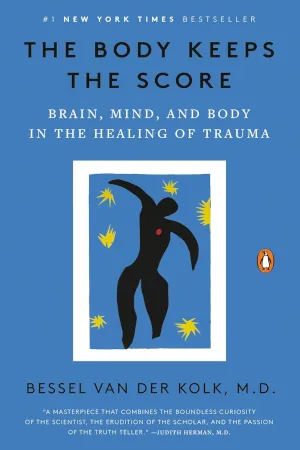
Cover of The Body Keeps the Score

The Body Keeps the Score

Bessel van der Kolk

Van der Kolk traces how traumatic stress can shape memory, emotion, relationships, and bodily experience. Clinical stories, neuroscience, and body-oriented approaches support his argument that recovery often depends on safety, connection, movement, and renewed ownership of the physical self.

Bessel van der Kolk is a psychiatrist and trauma researcher whose influential work examines how trauma affects body and mind.

#204
Cover of The Dance of Anger

The Dance of Anger

Harriet Lerner

A family-systems guide that treats women’s anger as information about stuck relational patterns rather than a defect to suppress. Lerner examines pursuit, distance, overfunctioning, underfunctioning, blame, and responsibility, helping readers change their own steps without assuming they can control another person.

Harriet Lerner, PhD, is a clinical psychologist and author examining women, anger, family systems, intimacy, anxiety, apology, and relationship patterns.

#069
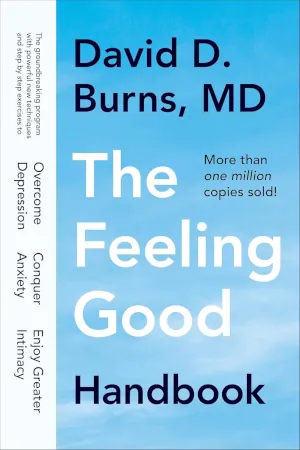
Cover of The Feeling Good Handbook

The Feeling Good Handbook

David D. Burns

Burns provides structured exercises for depression, anxiety, guilt, procrastination, relationship conflict, and communication. Readers identify distorted thoughts, test assumptions, solve problems, and change behavior through repeated practice, making the workbook more active than a collection of comforting insights.

David D. Burns, MD, is a psychiatrist and CBT author developing practical methods for mood, anxiety, relationships, and therapeutic resistance.

#165
Cover of The Gifts of Imperfection

The Gifts of Imperfection

Brené Brown

A guide to wholehearted living through authenticity, self-compassion, resilience, gratitude, creativity, rest, play, meaningful work, and belonging. Brown organizes the book around letting go of perfectionism, comparison, anxiety, and social expectations while cultivating practices that support genuine participation.

Brené Brown, PhD, LMSW, is a social-work researcher and author examining shame, authenticity, courage, compassion, and wholehearted living.

#076
Cover of The Midnight Library

The Midnight Library

Matt Haig

An accessible speculative novel about regret, depression, alternate lives, and the temptation to believe one different decision would have created a perfect self. Haig uses a library between life and death to explore possibility while ultimately returning meaning to the imperfect life already in progress.

Matt Haig is a British novelist and nonfiction writer exploring depression, anxiety, regret, time, possibility, and reasons to remain alive.

#101
Cover of The Relationship Cure

The Relationship Cure

John Gottman

Gottman shows how emotional connection grows through small bids for attention in romance, family, friendship, and work. The repeated choice to turn toward, away, or against another person gradually shapes trust, intimacy, responsiveness, and the felt safety of a relationship.

John Gottman, PhD, is a psychologist and relationship researcher whose observational studies track emotional bids, conflict, friendship, and repair.

#122
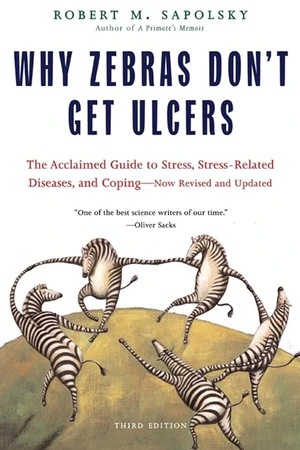
Cover of Why Zebras Don’t Get Ulcers

Why Zebras Don’t Get Ulcers

Robert Sapolsky

A witty, wide-ranging explanation of stress physiology and the health consequences of activating emergency systems for prolonged psychological strain. Sapolsky connects hormones, immunity, cardiovascular health, memory, mood, sleep, and social conditions while resisting simplistic advice that blames stressed individuals.

Robert Sapolsky, PhD, is a Stanford neuroendocrinologist and primatologist researching stress, behavior, biology, hierarchy, and human society.

Scroll to Top