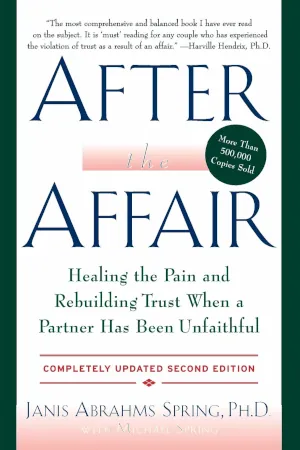
A relationship-recovery guide for the aftermath of infidelity, covering shock, grief, decisions about staying or leaving, disclosure, accountability, intimacy, and rebuilding trust. Spring avoids compulsory reconciliation, emphasizing that meaningful repair depends on sustained truth and changed behavior rather than promises alone.
Love & Relationships
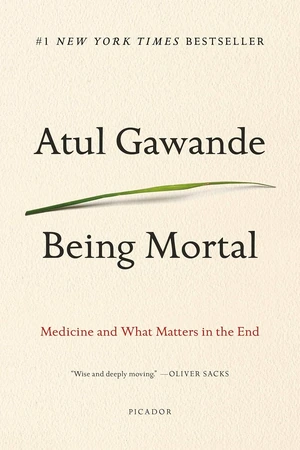
A humane examination of aging, serious illness, institutional care, hospice, autonomy, and end-of-life decisions. Gawande asks medicine to serve what matters most to each person, replacing treatment-at-any-cost with clearer conversations about goals, fears, trade-offs, and dignity.
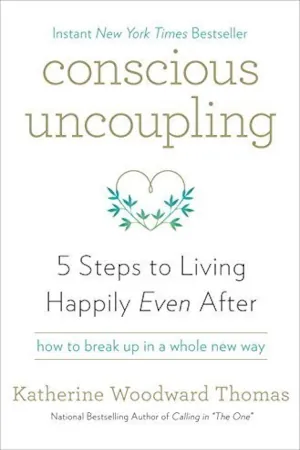
Woodward Thomas offers five steps for moving through separation with less blame, retaliation, and lasting damage. Emotional reflection, personal responsibility, practical restructuring, and future-oriented healing matter especially when children or shared family ties prevent a clean emotional break.
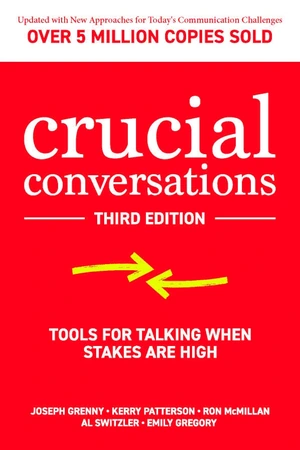
A communication framework for discussions where stakes, opinions, and emotions are high. The authors teach readers to restore safety, distinguish facts from interpretations, state concerns clearly, invite other perspectives, and turn difficult dialogue into better decisions rather than silence or aggression.
A relationship workbook structured around eight conversations about trust, conflict, sex, money, family, play, spirituality, and shared dreams. The Gottmans combine research, questions, and date plans to help couples renew curiosity and discuss recurring differences without requiring total agreement.
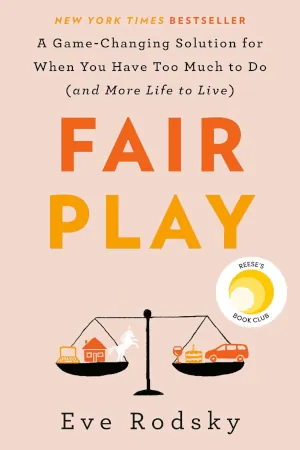
A practical system for making invisible household and caregiving labor visible, discussable, and more equally owned. Rodsky organizes responsibilities from conception through planning and execution, while defending each partner’s right to time, rest, work, and personally meaningful “unicorn space.”
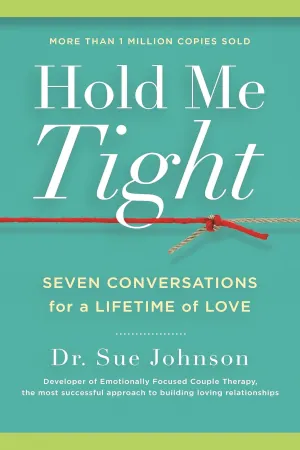
A relationship guide built around Emotionally Focused Therapy and adult attachment. Johnson helps couples recognize the fear beneath criticism and withdrawal, interrupt recurring conflict cycles, and create conversations in which vulnerability, responsiveness, and repair can restore a stronger sense of emotional security.
Devine rejects forced positivity, grief timetables, and the idea that loss should be repaired like a disorder. Professional knowledge and personal bereavement guide readers toward reducing avoidable suffering, communicating needs, supporting others, and living alongside what cannot be fixed.
Perel explores why security and erotic energy can pull in different directions inside long relationships. Through stories and sharp questions, she reframes desire as a matter of mystery, autonomy, and aliveness—not simply attraction, frequency, or how much partners love each other.
A humorous sociological investigation of dating in the age of texting, apps, and abundant choice. Ansari and Klinenberg compare generations and cultures, showing how technology changes courtship while leaving familiar needs—attention, respect, attraction, and meaningful connection—surprisingly intact.
A brain-informed parenting guide that reframes discipline as teaching rather than punishment. Siegel and Bryson show how connection can reduce escalation, how children build regulation through relationships, and how clear limits, reflection, and repair can turn conflict into developmental learning.
A psychologically precise novel about class, shame, attraction, power, and the repeated failures of communication between Connell and Marianne. Rooney follows their relationship across school and university, showing how intimacy can survive separation yet remain distorted by what neither person can say.
Glass maps how emotional and sexual affairs develop through secrecy, shifted loyalties, and intimacy outside a partnership. Her “walls and windows” model clarifies betrayal trauma, boundaries, disclosure, and the sustained repair required after an affair ends.
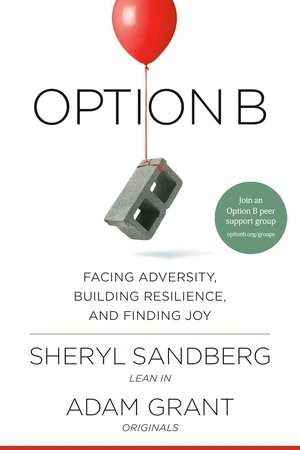
A memoir and psychology guide about grief, adversity, resilience, and post-traumatic growth. Sandberg describes life after her husband’s sudden death while Grant contributes research on support, self-compassion, meaning, and rebuilding, without claiming every loss produces a stronger person.
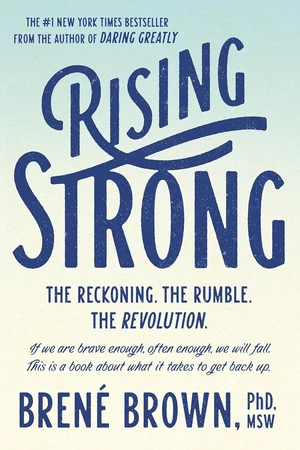
A research-based process for recovering after failure, betrayal, conflict, or disappointment. Brown describes reckoning with emotion, questioning the stories created around pain, and turning more truthful understanding into changed behavior, emphasizing curiosity and ownership rather than shame or a polished comeback.
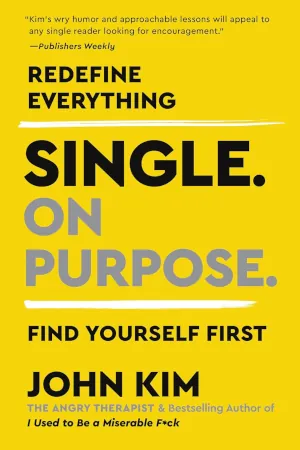
Kim treats singlehood as a meaningful life phase rather than a waiting room for partnership. Therapy, memoir, identity work, boundaries, health, purpose, and community support a life that can welcome romance without depending on it for rescue.
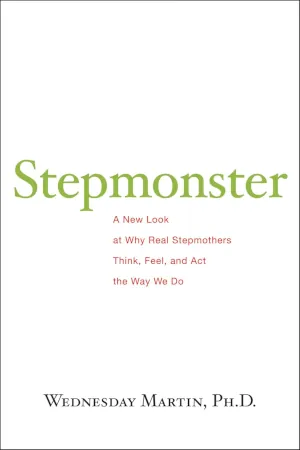
A research-informed and candid account of stepmotherhood, combining memoir, interviews, cultural expectations, and stepfamily dynamics. Martin examines loyalty binds, outsider status, power, resentment, and unrealistic maternal ideals while emphasizing the biological parent’s responsibility for family structure and discipline.
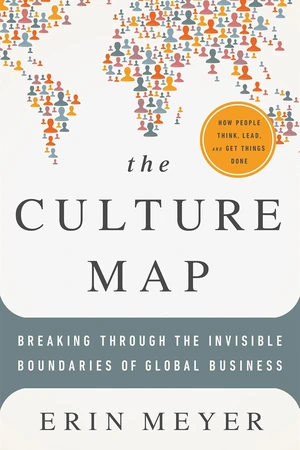
A cross-cultural management framework covering communication, evaluation, persuasion, leadership, decision-making, trust, disagreement, and scheduling. Meyer helps global teams compare relative cultural patterns, although national tendencies should guide curiosity rather than become stereotypes applied to every individual.
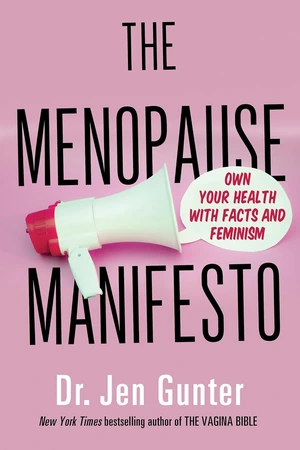
An evidence-based and explicitly feminist guide to reproductive aging, covering physiology, symptoms, sexual health, long-term risks, medical myths, and treatment choices. Gunter gives readers language for clinical conversations while challenging cultural silence, misinformation, and commercial exploitation.
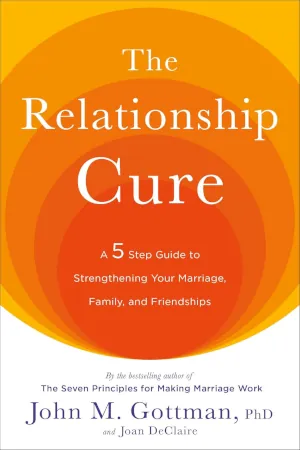
Gottman shows how emotional connection grows through small bids for attention in romance, family, friendship, and work. The repeated choice to turn toward, away, or against another person gradually shapes trust, intimacy, responsiveness, and the felt safety of a relationship.
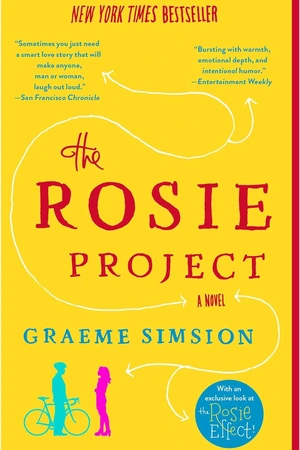
A romantic comedy about genetics professor Don Tillman, whose highly controlled search for a suitable wife is disrupted by spontaneous Rosie. Simsion explores rigidity, neurodiversity, friendship, attraction, and the difference between selecting a partner on paper and learning intimacy.
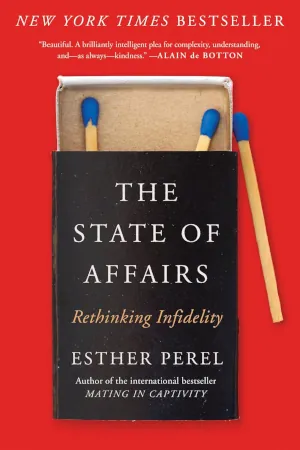
Perel examines infidelity without simplifying betrayal, desire, or repair. Drawing on clinical stories, she explores secrecy, identity, longing, and the meaning couples attach to an affair—offering language for understanding what happened and what rebuilding or leaving may require.
A time-bending love story about Clare and Henry, whose relationship must survive involuntary absence, unequal knowledge, and years of waiting. Niffenegger uses fantasy to explore devotion, loneliness, free will, and the emotional cost of building a life around someone unpredictable.
Part memoir, part declaration, this book examines the cost of performing the life others expect. Doyle connects identity, motherhood, faith, love, and courage, inviting readers to notice where self-abandonment has become normal—and where a more honest life might begin.