
A data-driven guide to early-parenting decisions including feeding, sleep, childcare, vaccination, discipline, and parental wellbeing. Oster examines research quality and trade-offs without claiming one correct family model, combining evidence with the practical reality that preferences and circumstances differ.
Joy & Play
A communication framework for discussions where stakes, opinions, and emotions are high. The authors teach readers to restore safety, distinguish facts from interpretations, state concerns clearly, invite other perspectives, and turn difficult dialogue into better decisions rather than silence or aggression.
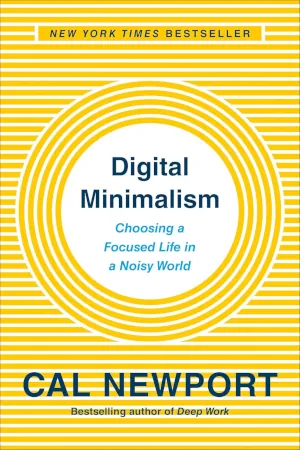
Newport proposes a thirty-day digital declutter followed by deliberate choices about technology, solitude, leisure, conversation, and attention. The goal is not rejection of useful tools but a life in which values determine use instead of platforms determining habits.
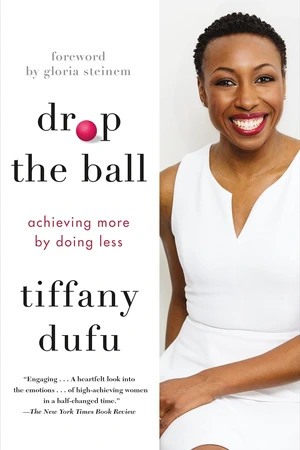
A memoir-manifesto about perfectionism, invisible labor, partnership, leadership, and women’s time. Dufu describes learning to release unrealistic expectations, share responsibility, communicate priorities, and accept different standards so domestic competence no longer consumes ambition, health, or joy.
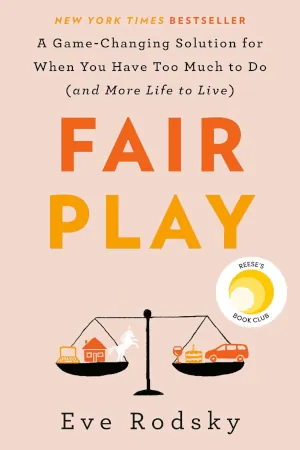
A practical system for making invisible household and caregiving labor visible, discussable, and more equally owned. Rodsky organizes responsibilities from conception through planning and execution, while defending each partner’s right to time, rest, work, and personally meaningful “unicorn space.”
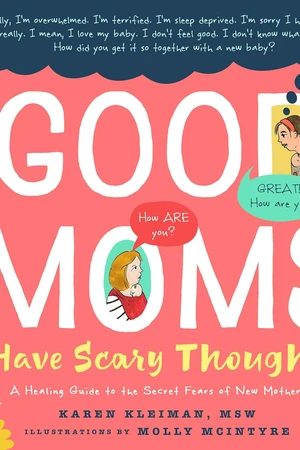
An illustrated guide to intrusive thoughts, postpartum anxiety, depression, shame, and the pressures of idealized motherhood. Kleiman and McIntyre normalize common frightening thoughts while helping readers distinguish distress from intention and recognize when qualified assessment or urgent support is necessary.
A comic fantasy in which an angel and demon cooperate to prevent the apocalypse after growing fond of Earth. Pratchett and Gaiman combine biblical parody, British satire, friendship, prophecy, bureaucracy, and affection for imperfect humanity while resisting simple divisions between good and evil.
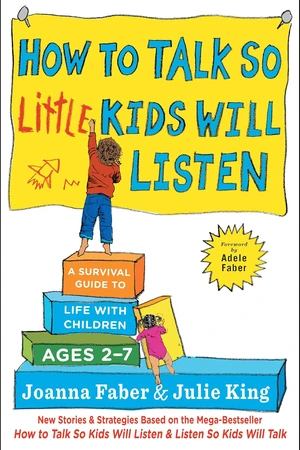
Faber and King offer scripts and illustrated examples for adults caring for children ages two to seven. Feelings are acknowledged while limits remain clear, giving parents alternatives to threats, punishment, lectures, and power struggles around cooperation, aggression, and problem-solving.
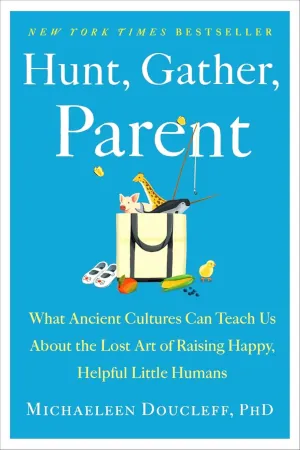
A cross-cultural parenting account based on Doucleff’s travels with her young daughter among Maya, Inuit, and Hadzabe families. She emphasizes contribution, autonomy, adult calm, storytelling, and shared daily life, though Indigenous communities should not be generalized into one timeless or universally transferable model.
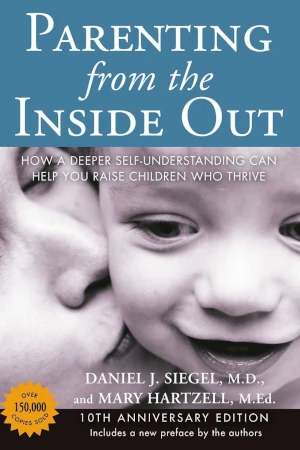
A parenting guide linking attachment, neuroscience, memory, and personal history. Siegel and Hartzell show how unresolved childhood experiences can shape reactions to children, offering reflective exercises that help parents understand triggers, repair ruptures, and respond with greater awareness rather than inherited autopilot.
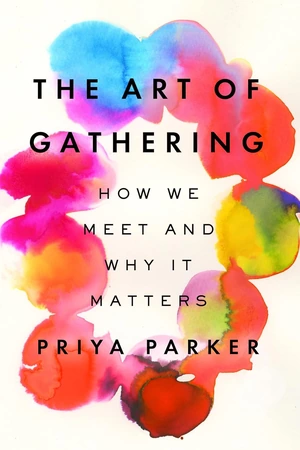
Parker treats gatherings as designed experiences rather than collections of food, décor, and familiar convention. Clear purpose shapes invitations, authority, rules, openings, conflict, and endings, allowing dinners, meetings, rituals, and conferences to become more focused, generous, and memorable.
Kamenetz rejects both digital panic and unrestricted access in family life. Expert evidence and hundreds of parent interviews support shared use, purposeful content, realistic limits, offline balance, and attention to what screens enable, replace, or quietly crowd out.
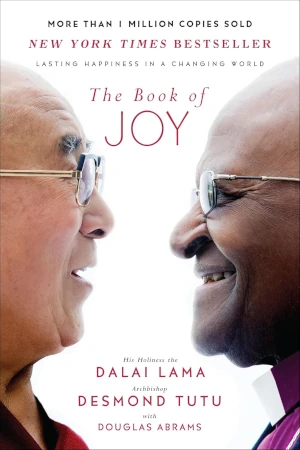
A week-long conversation between the Dalai Lama and Desmond Tutu about finding joy amid suffering. Their stories, humor, spiritual traditions, and friendship explore perspective, humility, gratitude, forgiveness, compassion, and the daily practices that keep hardship from defining an entire life.
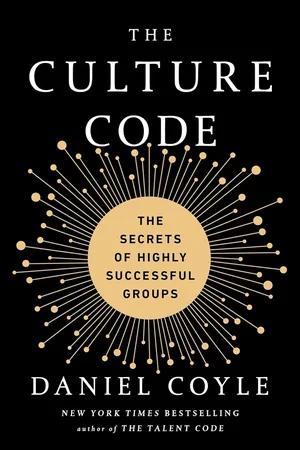
A reported exploration of how successful groups create psychological safety, shared vulnerability, and clear purpose. Coyle examines teams across sports, business, creativity, and the military, focusing on the small repeated signals that turn cooperation and belonging into an everyday culture.
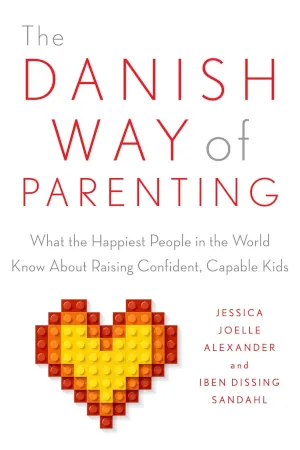
A cultural guide to Danish parenting built around play, authenticity, reframing, empathy, and togetherness. Alexander and Sandahl offer practical ways to reduce pressure and strengthen resilience, inviting families to examine their emotional climate rather than chase a perfect parenting formula.
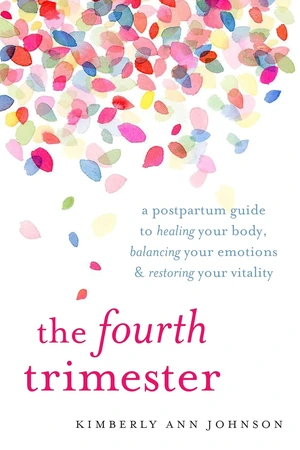
A whole-person postpartum recovery guide covering physical healing, pelvic health, sexuality, nervous-system regulation, nutrition, identity, support, and boundaries. Johnson challenges the expectation of rapid return to normal, presenting the months after birth as a distinct developmental and physiological transition.
A pediatric guide to newborn crying, sleep, and the “fourth trimester,” organized around five soothing techniques. Karp explains why rhythmic movement, sound, sucking, and secure holding can calm babies, while current safe-sleep recommendations should guide how techniques are used.
A comic science-fiction classic in which Earth’s destruction becomes the start of an increasingly improbable journey. Adams mixes absurdity, philosophy, bureaucracy, and wordplay, offering readers a liberating perspective on panic, certainty, and humanity’s tiny place in an incomprehensibly strange universe.
A richly atmospheric fantasy about two young magicians bound into a competition they did not choose. Morgenstern surrounds their struggle with a nocturnal circus of beauty and invention, exploring love, loyalty, sacrifice, and the human cost of living inside someone else’s rules.
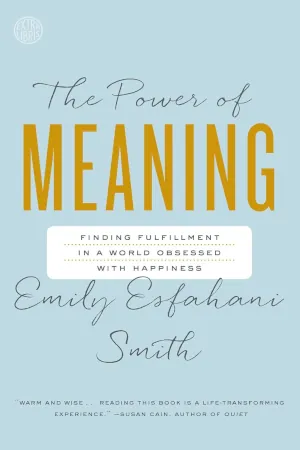
Smith organizes meaning around belonging, purpose, storytelling, and transcendence. Psychology, philosophy, spiritual traditions, and personal stories support the argument that significance grows through ordinary relationships and contribution, not only through happiness, achievement, or dramatic life purpose.
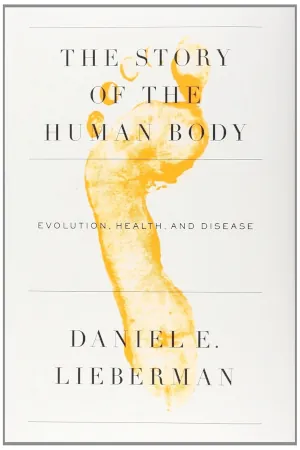
An evolutionary account of why modern environments can conflict with bodies shaped for movement, scarcity, and different patterns of work and rest. Lieberman connects human history with chronic disease, explaining mismatch without reducing health to personal failure or a single ideal lifestyle.
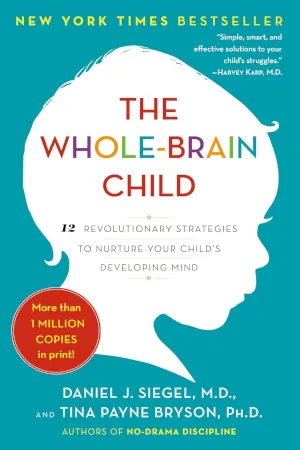
A practical translation of child-development neuroscience into twelve strategies for handling meltdowns, fear, memory, conflict, and emotional growth. Siegel and Bryson explain integration across different brain functions, giving parents language and exercises that make regulation, storytelling, connection, and repair easier to practice.
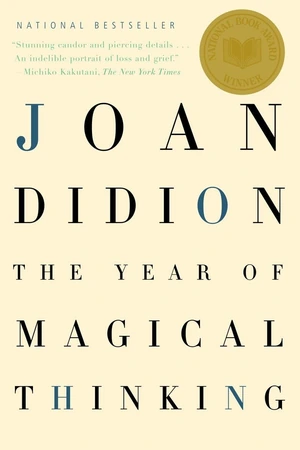
A precise memoir of the year after John Gregory Dunne’s sudden death while the couple’s daughter was seriously ill. Didion examines grief’s altered logic, memory, marriage, medical crisis, and the mind’s “magical” resistance to accepting that someone will not return.
Part memoir, part declaration, this book examines the cost of performing the life others expect. Doyle connects identity, motherhood, faith, love, and courage, inviting readers to notice where self-abandonment has become normal—and where a more honest life might begin.