
A behavior-change guide built around small improvements, environmental design, identity, cues, rewards, and repeatable systems. Clear explains how habits become easier or harder according to their context, emphasizing consistency and recovery from lapses rather than relying on motivation or dramatic goals.

Identity & Self
Gilbert argues for creative living without waiting for fearlessness, permission, genius, or financial reward. Stories and practical philosophy address curiosity, persistence, discipline, ideas, rejection, and perfectionism, making creativity compatible with ordinary responsibility rather than dependent on dramatic reinvention.
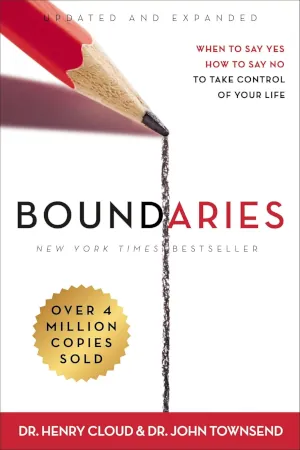
A faith-informed guide to recognizing personal responsibility and setting limits in relationships, work, family, and caregiving. Cloud and Townsend distinguish boundaries from rejection, showing how unspoken limits can produce resentment, enabling, exhaustion, and confusion about what one person truly owes another.
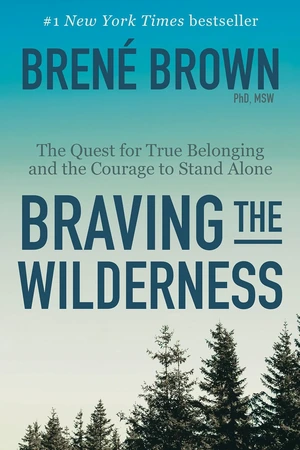
Brown distinguishes true belonging from reshaping oneself for approval in a polarized culture. Research and personal stories examine integrity, boundaries, civility, loneliness, collective pain, and the courage to stand alone without withdrawing from shared humanity.
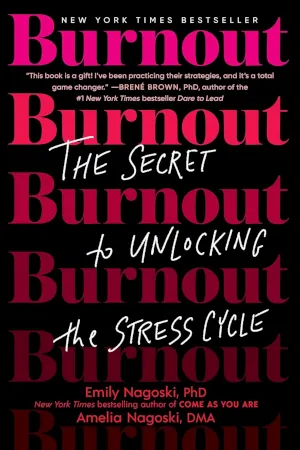
Burnout explains why removing a stressor does not automatically complete the body’s stress response. The Nagoski sisters connect physiology, gender expectations, movement, rest, affection, and meaning, replacing individual failure with a wider account of how exhaustion develops and recovery begins.
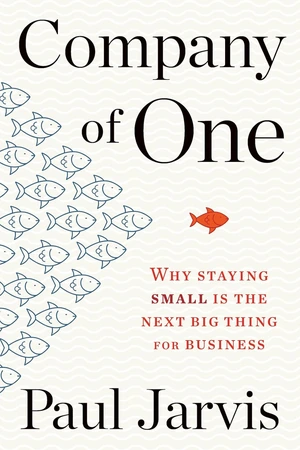
A business argument against growth as the automatic measure of success. Jarvis encourages entrepreneurs to define enough, protect profitability, serve existing customers, build resilience, automate carefully, and use a smaller company to preserve autonomy, craft, boundaries, and quality of life.
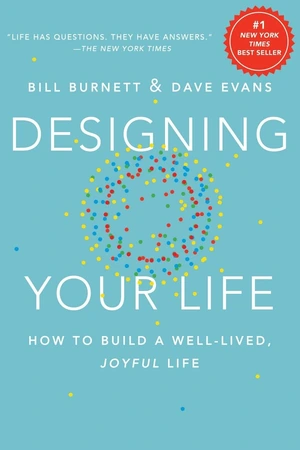
A design-thinking framework for life and career decisions using reframing, alternative future plans, prototypes, conversations, and small experiments. Burnett and Evans replace the search for one perfect calling with a practical process for learning what could work.
A darkly funny and compassionate novel about a socially isolated woman whose carefully controlled routine protects unresolved trauma. Honeyman follows Eleanor through friendship, crisis, therapy, and gradual connection, showing how ordinary kindness can disrupt defenses without turning healing into a sentimental rescue.
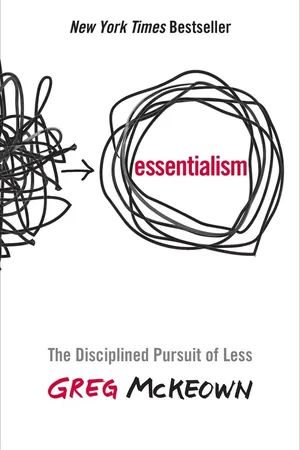
McKeown builds a disciplined case for doing less but better: identify the vital few, accept trade-offs, and remove nonessential demands. Practical tools protect attention, create space, strengthen boundaries, and make deliberate contribution more important than constant activity.
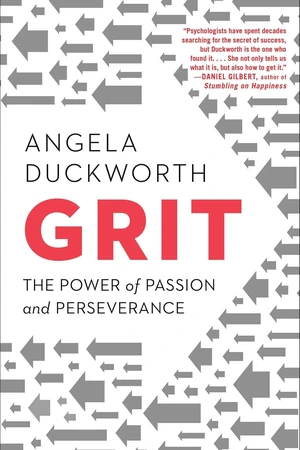
Duckworth argues that achievement often depends on sustained passion and perseverance as well as talent. Deliberate practice, purpose, hope, coaching, and goal hierarchy shape grit, though the concept remains strongest when structural opportunity, changing circumstances, and wise quitting stay visible.
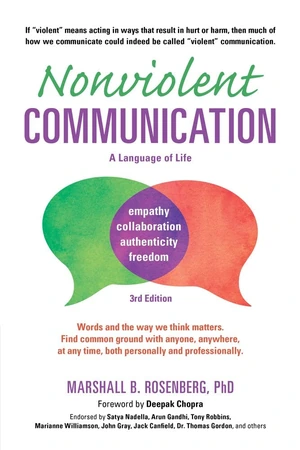
A communication framework organized around observations, feelings, needs, and requests. Rosenberg aims to replace blame, diagnosis, and coercion with honesty and empathic listening, while the method remains compatible with clear boundaries, disagreement, accountability, and ending unsafe interactions.
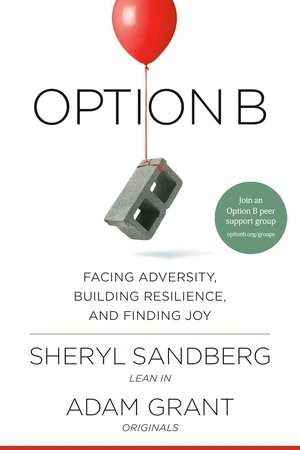
A memoir and psychology guide about grief, adversity, resilience, and post-traumatic growth. Sandberg describes life after her husband’s sudden death while Grant contributes research on support, self-compassion, meaning, and rebuilding, without claiming every loss produces a stronger person.
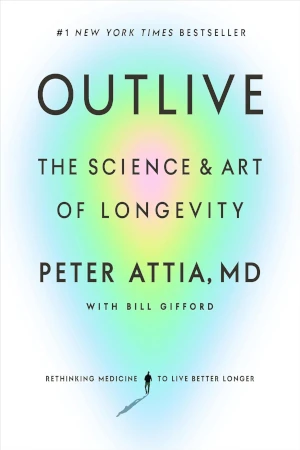
Attia frames prevention around acting earlier against cardiovascular disease, cancer, neurodegeneration, and metabolic dysfunction. Exercise, sleep, nutrition, risk assessment, and emotional health are organized around one practical question: which physical abilities should remain possible decades from now?
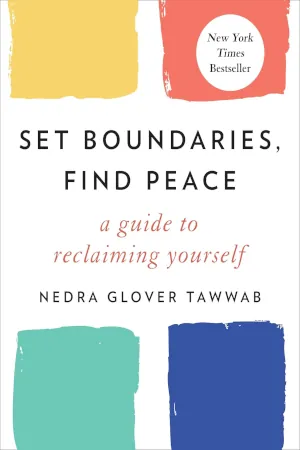
Tawwab turns boundaries into concrete behavior across work, family, friendship, technology, and self-care. Scripts and examples address guilt, resentment, overcommitment, and other people’s reactions, emphasizing that a limit only becomes real when communication is followed by consistent action.
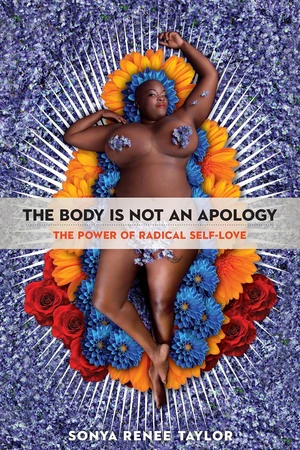
A manifesto that moves from individual body confidence toward collective liberation. Taylor examines how body hierarchies are taught, enforced, and internalized, then offers reflection and action around shame, apology, inherited bias, and the social conditions required for every body’s dignity.
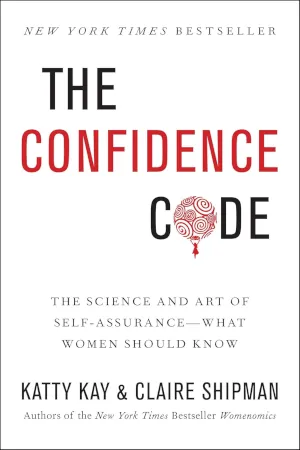
Kay and Shipman investigate confidence through interviews, psychology, neuroscience, genetics, and workplace research. They argue that action, risk, and tolerance for failure build self-assurance, while acknowledging that culture, opportunity, power, and organizational conditions shape whose confidence is rewarded.
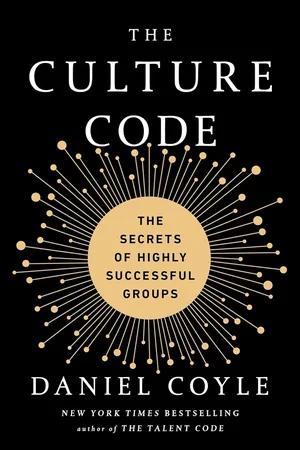
A reported exploration of how successful groups create psychological safety, shared vulnerability, and clear purpose. Coyle examines teams across sports, business, creativity, and the military, focusing on the small repeated signals that turn cooperation and belonging into an everyday culture.
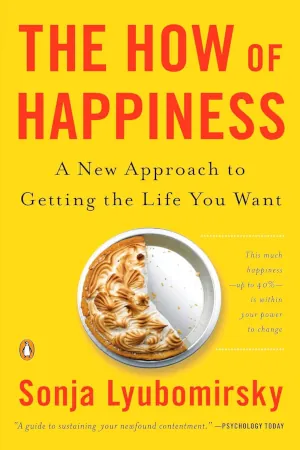
Lyubomirsky examines which intentional activities can genuinely increase wellbeing, including gratitude, kindness, connection, and meaningful goals. Her central caution is equally important: no single practice suits everyone, and lasting benefit depends on personal fit, variety, timing, and realistic expectations.
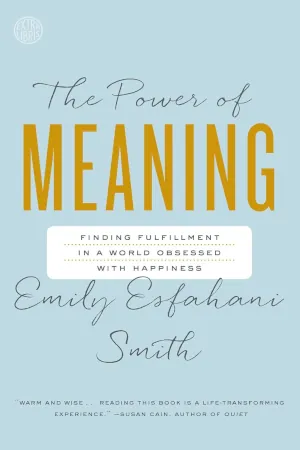
Smith organizes meaning around belonging, purpose, storytelling, and transcendence. Psychology, philosophy, spiritual traditions, and personal stories support the argument that significance grows through ordinary relationships and contribution, not only through happiness, achievement, or dramatic life purpose.
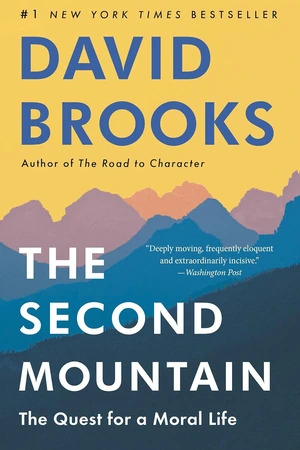
Brooks describes a second life phase organized around vocation, family, philosophy or faith, community, and service rather than achievement alone. Personal reflection and social commentary frame deeper commitment as an answer to success that has become emotionally insufficient.
A historical novel framed as an aging Hollywood star’s final confession. Reid explores fame, bisexuality, racial identity, marriage, ambition, image-making, sacrifice, and hidden love, asking who controls a woman’s story and what public survival can cost privately.
A multigenerational novel about twin sisters whose lives divide when one begins passing as white. Bennett explores colorism, secrecy, family inheritance, gender, and reinvention, showing how identities are shaped by both personal choice and the social consequences attached to being seen.
Part memoir, part declaration, this book examines the cost of performing the life others expect. Doyle connects identity, motherhood, faith, love, and courage, inviting readers to notice where self-abandonment has become normal—and where a more honest life might begin.