
A behavior-change guide built around small improvements, environmental design, identity, cues, rewards, and repeatable systems. Clear explains how habits become easier or harder according to their context, emphasizing consistency and recovery from lapses rather than relying on motivation or dramatic goals.
Health & Body
A faith-informed guide to recognizing personal responsibility and setting limits in relationships, work, family, and caregiving. Cloud and Townsend distinguish boundaries from rejection, showing how unspoken limits can produce resentment, enabling, exhaustion, and confusion about what one person truly owes another.
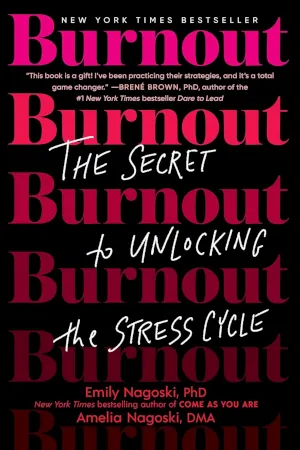
Burnout explains why removing a stressor does not automatically complete the body’s stress response. The Nagoski sisters connect physiology, gender expectations, movement, rest, affection, and meaning, replacing individual failure with a wider account of how exhaustion develops and recovery begins.
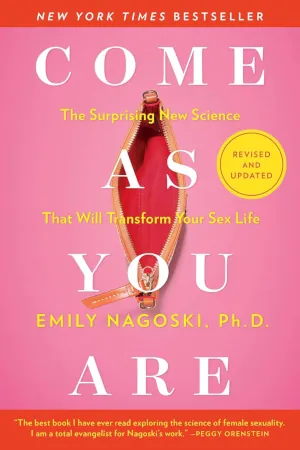
A compassionate, science-based guide to desire, arousal, and pleasure that explains why context matters. Nagoski replaces shame with curiosity, helping readers understand stress, body image, and relationship safety so changing intimacy can be explored rather than treated as evidence of failure.
A sweeping medical and family novel moving between Ethiopia and the United States. Verghese explores twins, migration, betrayal, surgical vocation, and the moral intimacy of care, treating medicine not only as technical skill but as a way people witness one another’s lives.
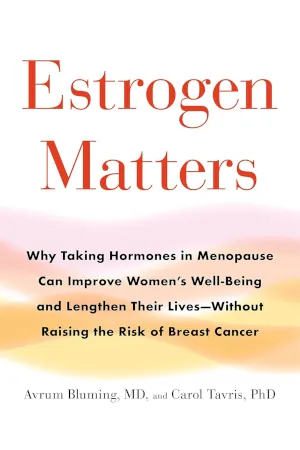
An evidence-focused reassessment of estrogen, menopause, breast cancer, heart health, bones, and cognition. Bluming and Tavris challenge influential interpretations of hormone research, explaining statistics and medical history while arguing for more informed, individualized conversations between women and their clinicians.
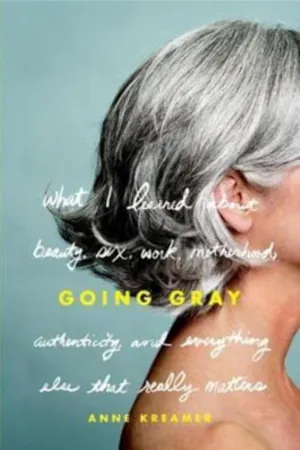
A personal and reported investigation into women, gray hair, work, beauty, sexuality, and cultural expectations around aging. Kreamer tests assumptions rather than prescribing one choice, asking what women gain—or risk—when they stop disguising a visible sign of time.
A compassionate dementia-caregiving guide built around Pauline Boss’s concept of ambiguous loss. It helps families live with someone who is physically present but psychologically changing, balancing grief, hope, limits, identity, outside support, and a sustainable “both-and” perspective.
A specialist scientific reference covering menopause biology, epidemiology, organ-system pathophysiology, pharmacology, diagnosis, and intervention as understood around 2000. Its breadth remains historically informative, but current treatment decisions require newer evidence, updated guidelines, and individualized clinical assessment.
A research-based challenge to self-objectification and appearance-centered body positivity. The Kite sisters show how living as an observer of one’s body can drain attention, confidence, and joy, replacing the demand to feel beautiful with the steadier practice of body image resilience.
A performance guide for active women navigating perimenopause, menopause, and the years beyond. Sims and Yeager connect hormonal change with muscle, bone, temperature regulation, fueling, recovery, and training, emphasizing adaptation rather than applying younger or male-centered fitness advice unchanged.
A female-physiology training guide covering exercise, fueling, hydration, menstrual cycles, pregnancy, recovery, and menopause. Sims challenges male-centered sports research and offers practical strategies for performance and health, while individual symptoms, goals, and medical context still require adaptation.
A six-week cognitive behavioral program for chronic insomnia using sleep scheduling, stimulus control, relaxation, cognitive restructuring, and accurate sleep education. Jacobs addresses the thoughts and habits that maintain wakefulness while emphasizing a drug-free, evidence-based route to more reliable sleep.
Tawwab turns boundaries into concrete behavior across work, family, friendship, technology, and self-care. Scripts and examples address guilt, resentment, overcommitment, and other people’s reactions, emphasizing that a limit only becomes real when communication is followed by consistent action.
A longstanding family guide to Alzheimer’s disease and other dementias, covering behavior, communication, safety, daily care, medical decisions, residential options, and caregiver wellbeing. Mace and Rabins combine practical planning with recognition of the emotional and physical strain on families.
An influential feminist critique of beauty standards as political and economic pressures that consume women’s time, money, health, and authority. Wolf’s framework remains culturally important, but its limited intersectionality and seriously overstated anorexia statistics require critical separation of insight from unreliable evidence.
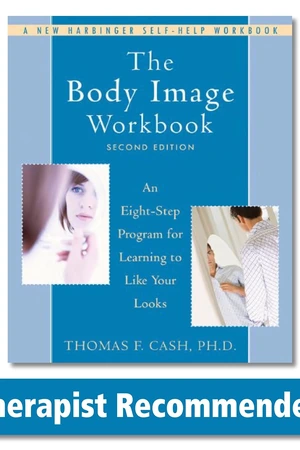
Cash uses education, diaries, exposure, cognitive restructuring, and behavioral practice to address body dissatisfaction, checking, avoidance, appearance preoccupation, and harsh self-talk. The workbook builds acceptance through active experiments rather than reassurance or pressure to feel positively about appearance at all times.
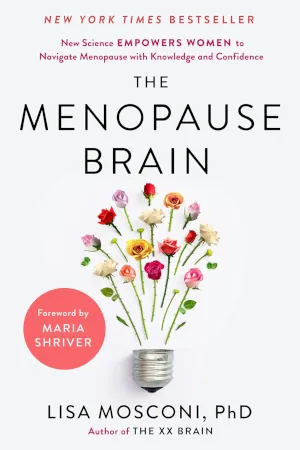
A neuroscience-based account of menopause as a transition affecting the brain as well as the ovaries. Mosconi explains changes in temperature regulation, sleep, mood, energy, and cognition while connecting immediate symptoms with long-term questions about cardiovascular, metabolic, and neurological health.
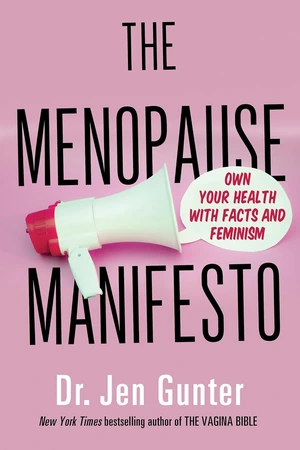
An evidence-based and explicitly feminist guide to reproductive aging, covering physiology, symptoms, sexual health, long-term risks, medical myths, and treatment choices. Gunter gives readers language for clinical conversations while challenging cultural silence, misinformation, and commercial exploitation.
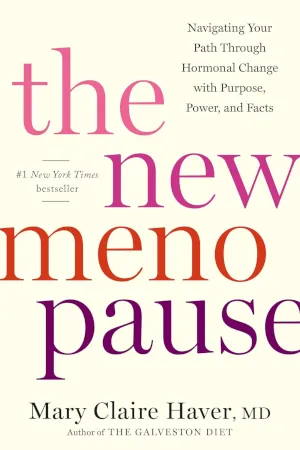
A practical, evidence-focused guide to symptoms, clinical conversations, hormone therapy, nutrition, sleep, muscle, bone, cardiovascular health, and sexual wellbeing after reproductive life. Haver emphasizes individualized decisions and long-term prevention rather than treating menopause as a short list of discomforts.
A physician’s memoir of becoming a patient after a diagnosis of metastatic lung cancer. Kalanithi moves between literature, neuroscience, surgery, marriage, parenthood, and mortality, asking how people decide what makes life meaningful when knowledge cannot restore a predictable future.
A sweeping popular-science account of sleep stages, circadian rhythms, memory, emotion, dreaming, health, and sleep deprivation. Walker makes sleep research accessible and urgent, although several statistical, factual, and causal claims have been criticized and should be read alongside broader clinical evidence.