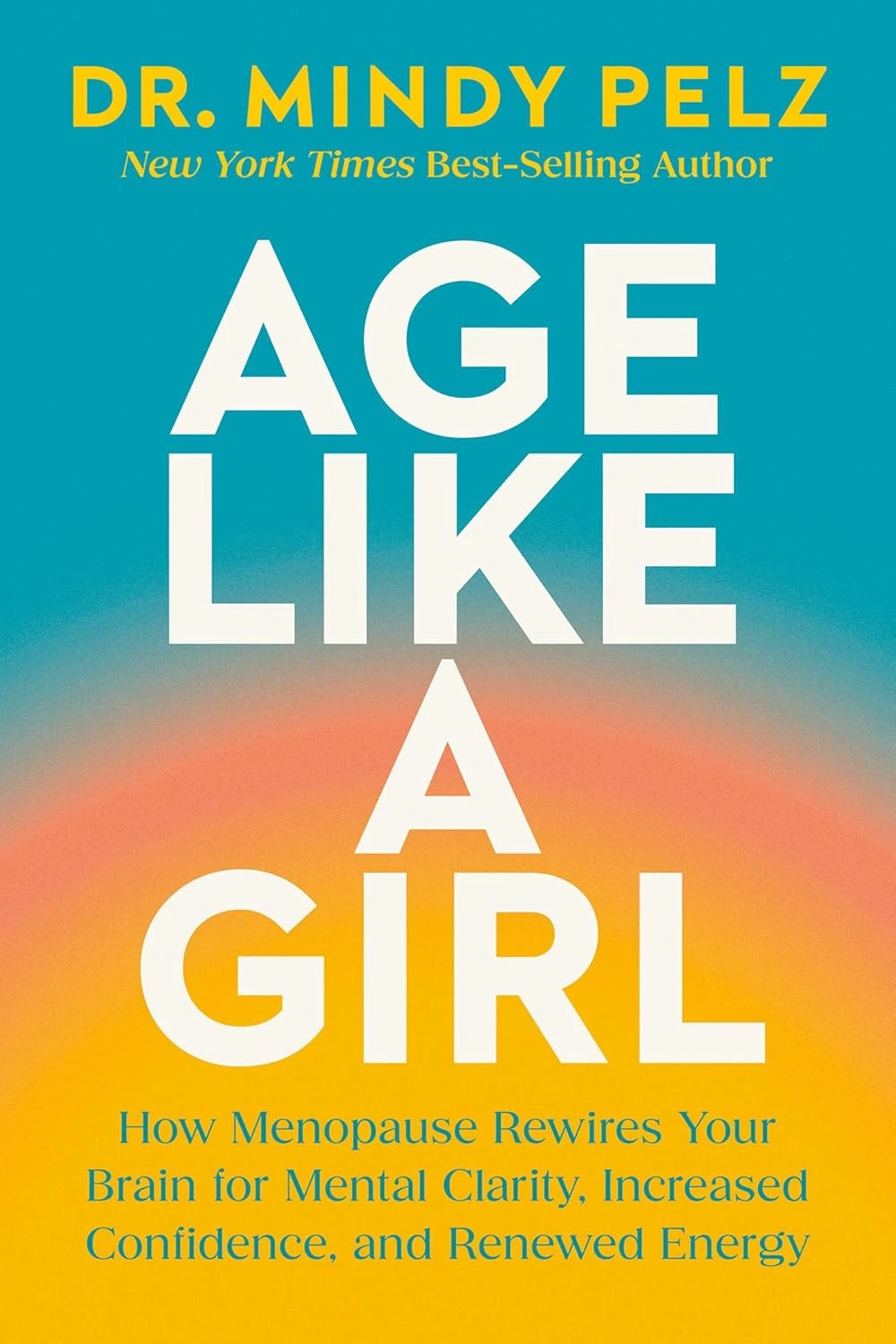
Pelz reframes menopause and aging as neurological, metabolic, and personal change rather than simple decline. Lifestyle advice sits beside a strong second-half narrative about habits, leadership, boundaries, and identity, though health claims still deserve careful evaluation.
Favourites
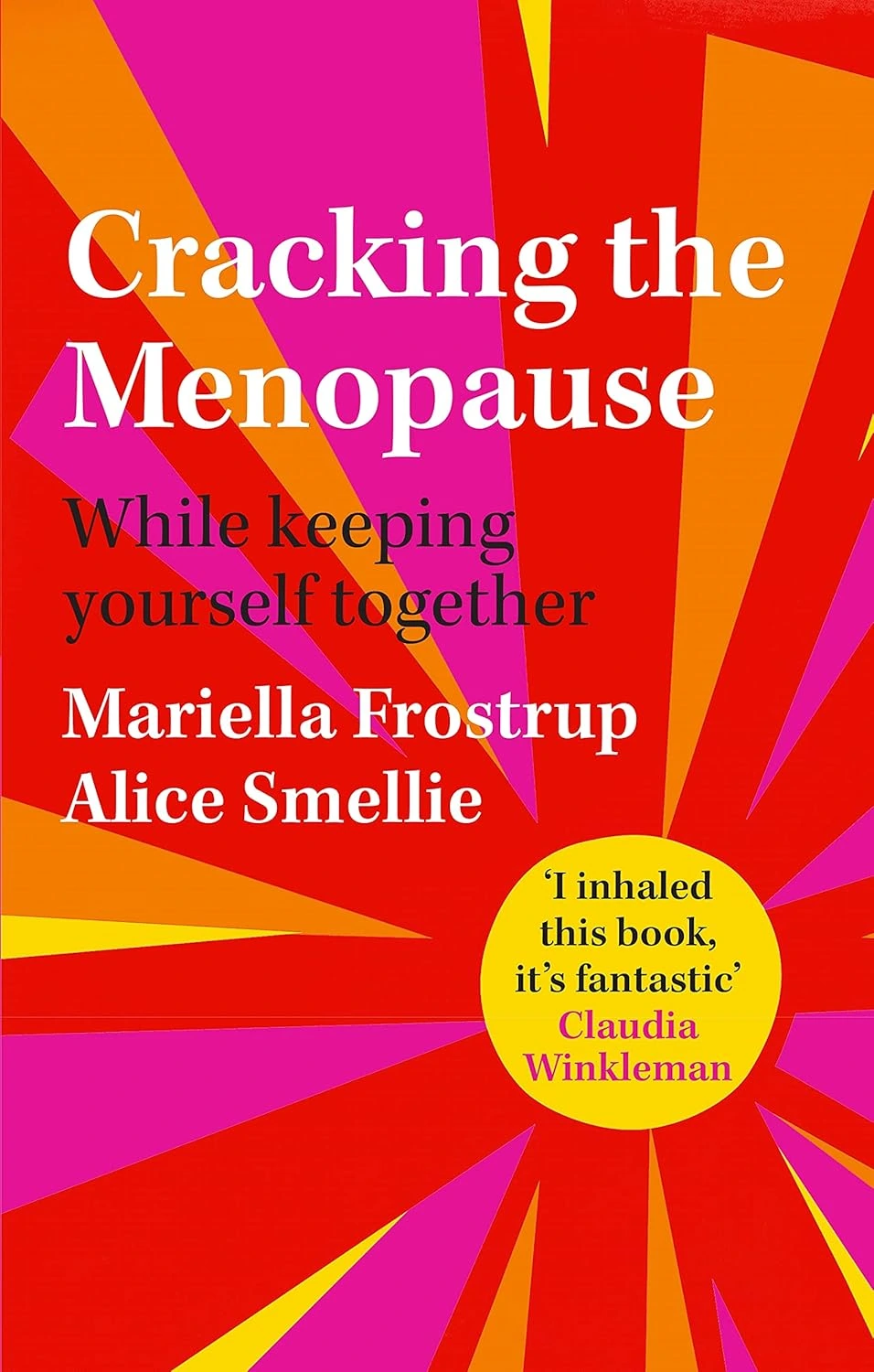
A practical, plain‑spoken guide to the menopause years, covering symptoms, treatments, lifestyle shifts, and what to ask your doctor. Written with warmth and wit, it helps you sort myths from facts and feel more prepared for what’s next.
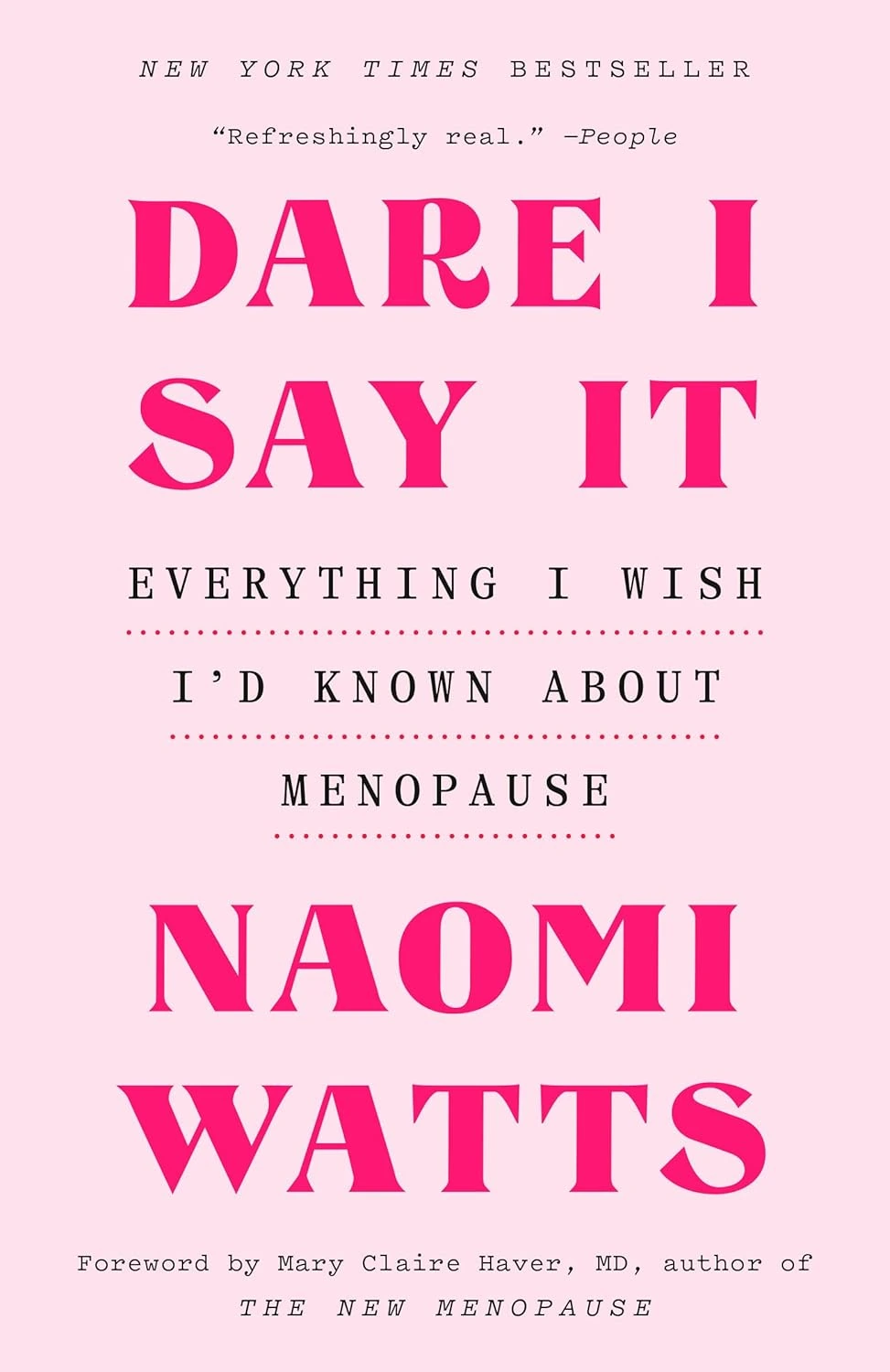
A sharp, funny, and honest midlife memoir about what changes in the body, the mirror, and the mind. Watts names the awkward parts out loud and makes space for curiosity instead of shame. A quick read with real relief.
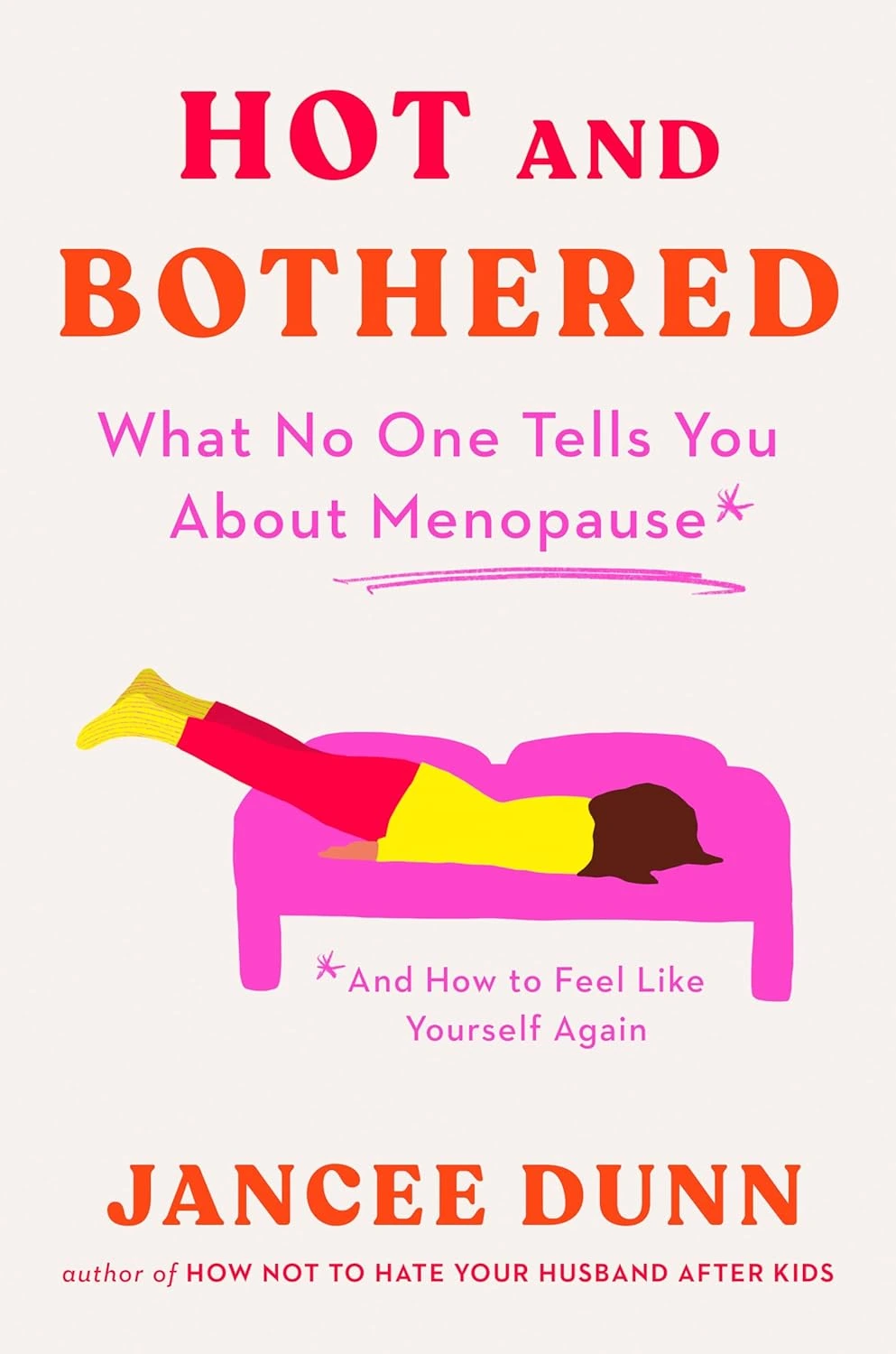
A lively mix of memoir, reporting, and expert interviews about the symptoms and surprises of menopause. Dunn brings humor to sleep, sex, mood, skin, and treatment questions, making complex information easier to absorb without pretending the transition is simple or identical for everyone.
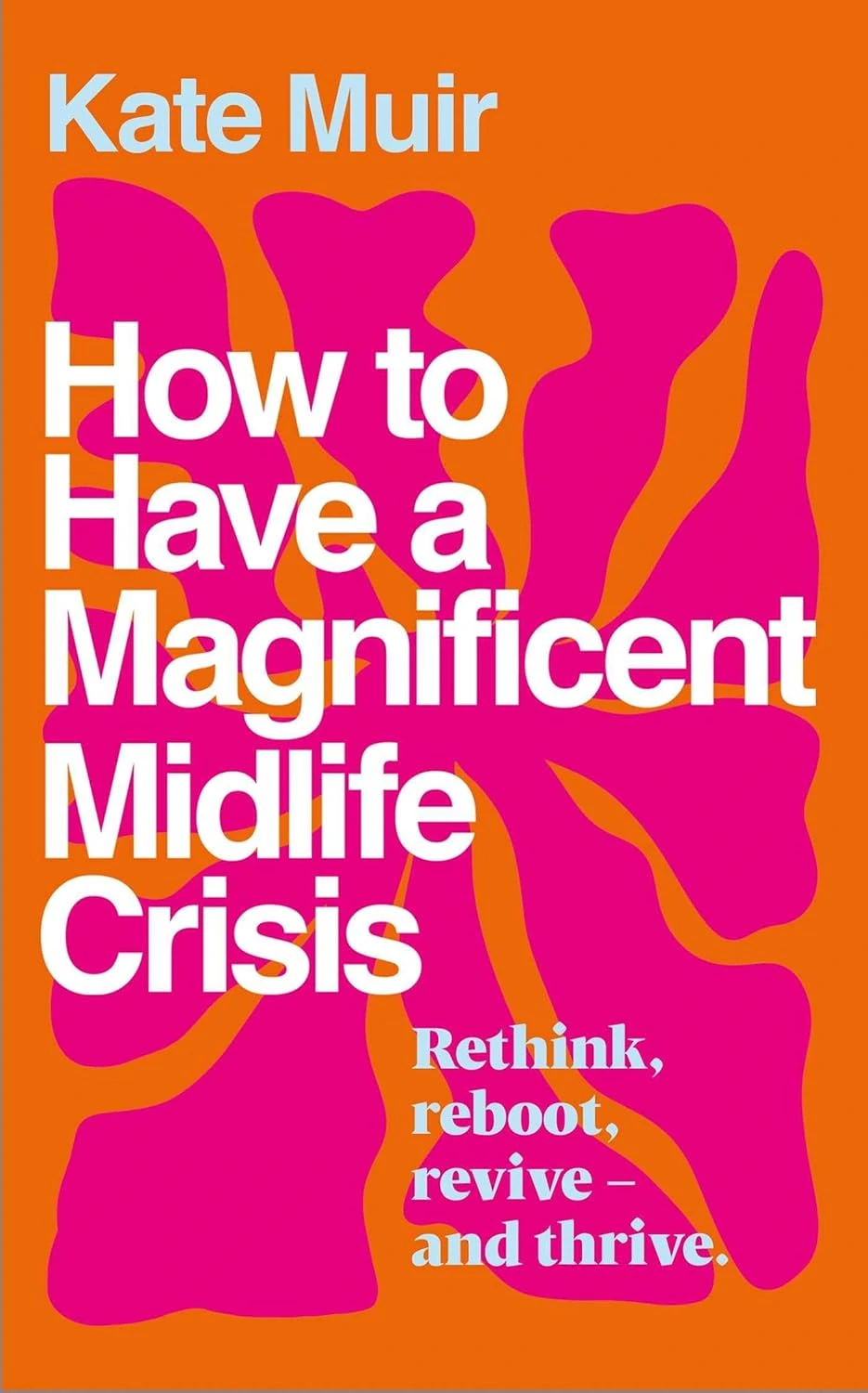
A witty, reality‑based reframe of midlife change—less panic, more perspective. Muir blends cultural insight with practical reflection, exploring identity, aging, desire, and reinvention. Reads like a smart friend who tells the truth and keeps you moving.
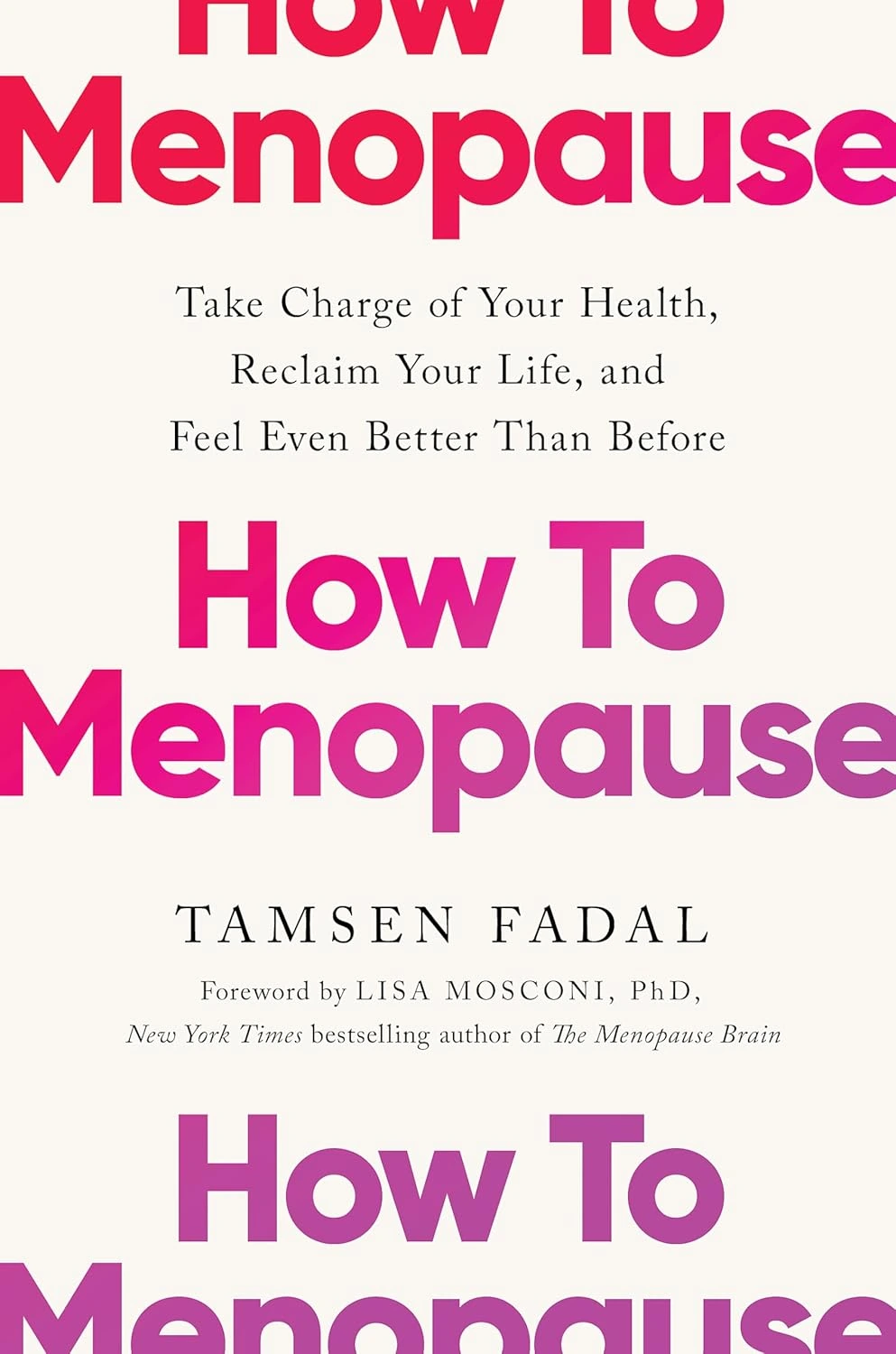
Fadal approaches menopause as a journalist and patient, moving between symptoms, appointments, treatment choices, and life beyond the transition. Expert interviews and lived experience help readers organize questions, understand options, and speak confidently in clinical settings.
A calm, grounded guide to menopause with a focus on practical self‑care, symptom relief, and informed choices. It walks through common changes and supportive options, helping you build a plan that fits your body, values, and daily pace.
An empowering, easy‑to‑read companion that normalizes menopause and makes space for confidence, humor, and boundaries. Rowe‑Ham covers symptoms and support options, but also the emotional side of midlife change—how to speak up and take up space.
Hill covers the hormonal transition before menopause through cycles, sleep, mood, confidence, and body literacy. Self-advocacy runs throughout, helping readers recognize patterns, prepare for medical conversations, and meet change with more information and less fear.
A practical approach to midlife nutrition focused on inflammation, meal timing, and sustainable habits. Haver connects changing metabolism with food quality and steady energy, offering a clear structure that can be adapted without reducing health to calorie counting or willpower.
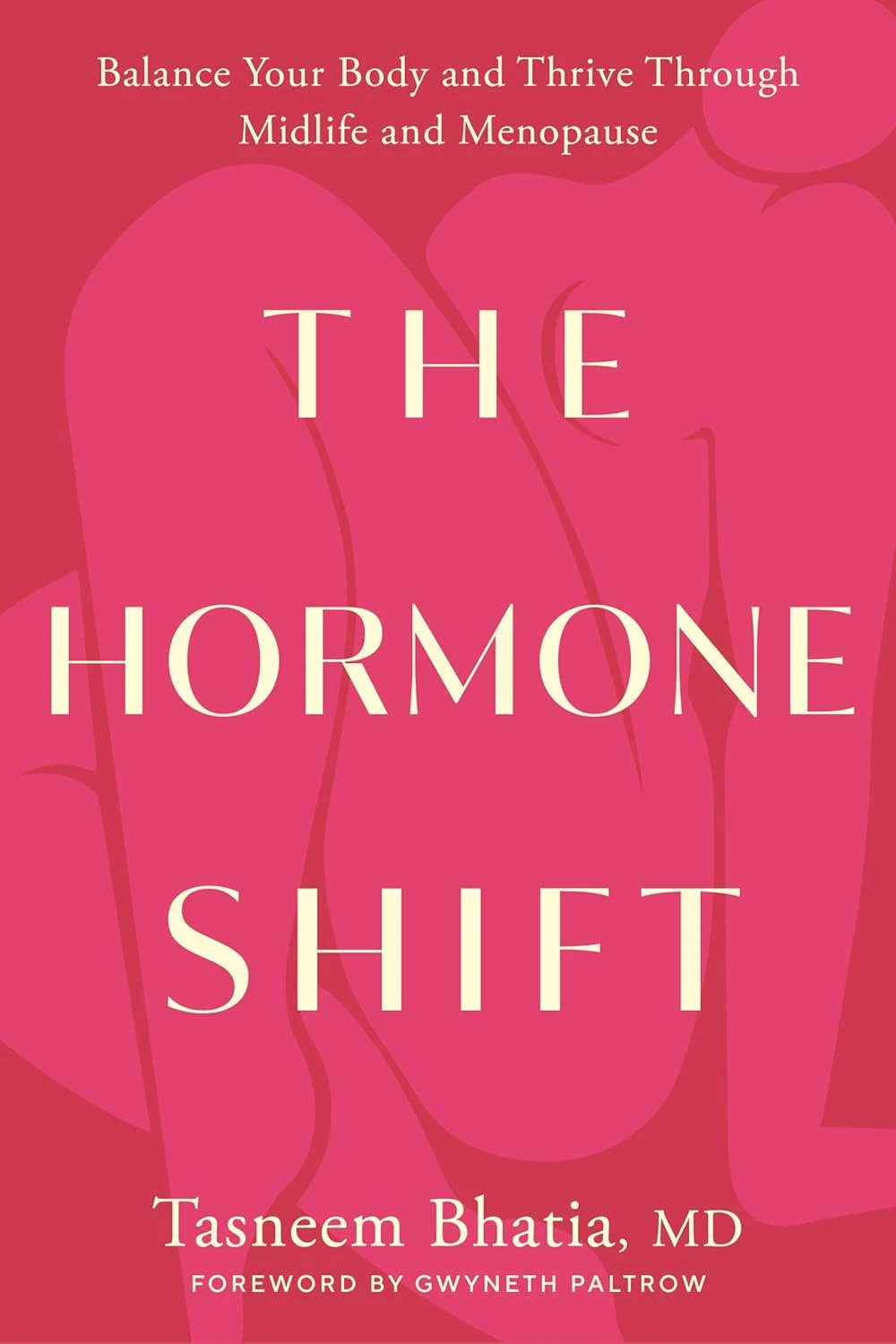
A holistic, medical‑minded guide to hormones in midlife, connecting symptoms to everyday levers like sleep, stress, food, and movement. Bhatia frames menopause as a health reset, with steps you can test and tailor rather than follow blindly.
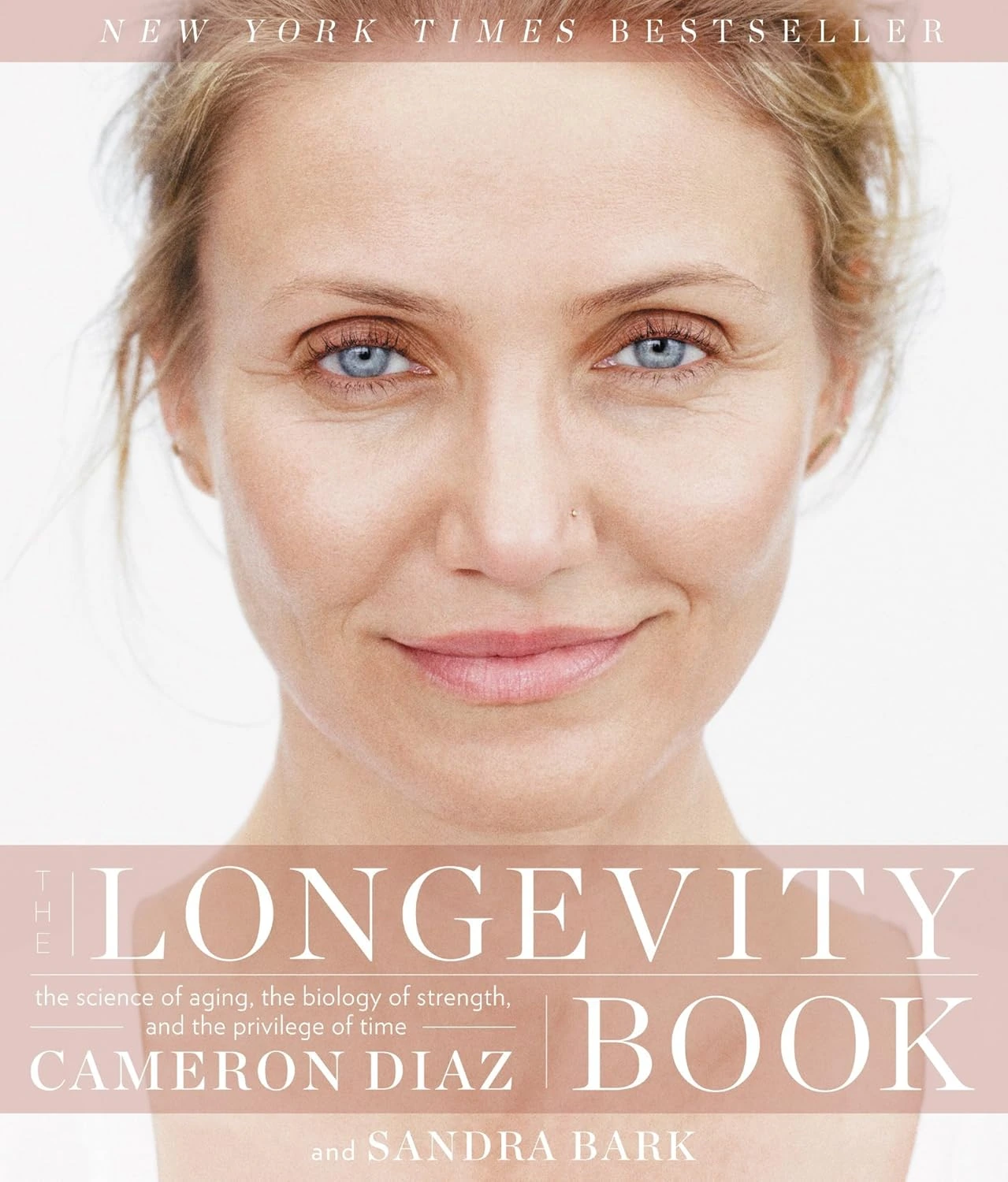
A welcoming overview of women’s health, aging, and wellbeing, with a focus on habits that support vitality over time. Part memoir, part guide, it invites you to think long‑term without perfectionism, and to build routines that actually stick.
A supportive, accessible handbook that answers the questions women often google at 2 a.m. It covers symptoms, treatments, lifestyle tools, and relationships, with a reassuring tone. Designed for quick reference as well as steady, page‑by‑page reading.
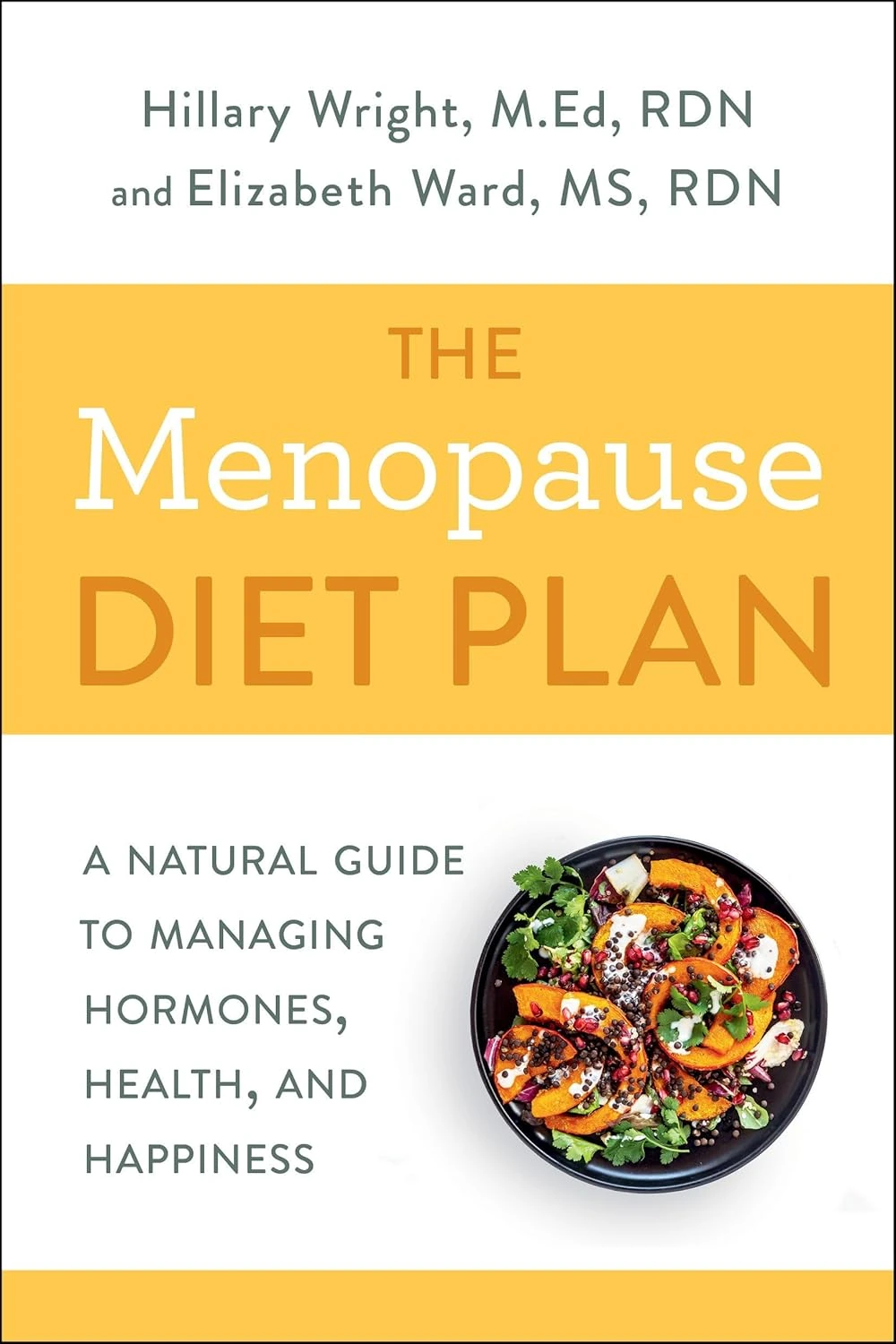
An evidence-based nutrition plan designed for the menopause transition and the decades after it. Wright and Ward emphasize plant-forward meals, protein, fiber, and sustainable structure, supporting metabolic, bone, heart, and muscle health without turning everyday eating into a restrictive project.
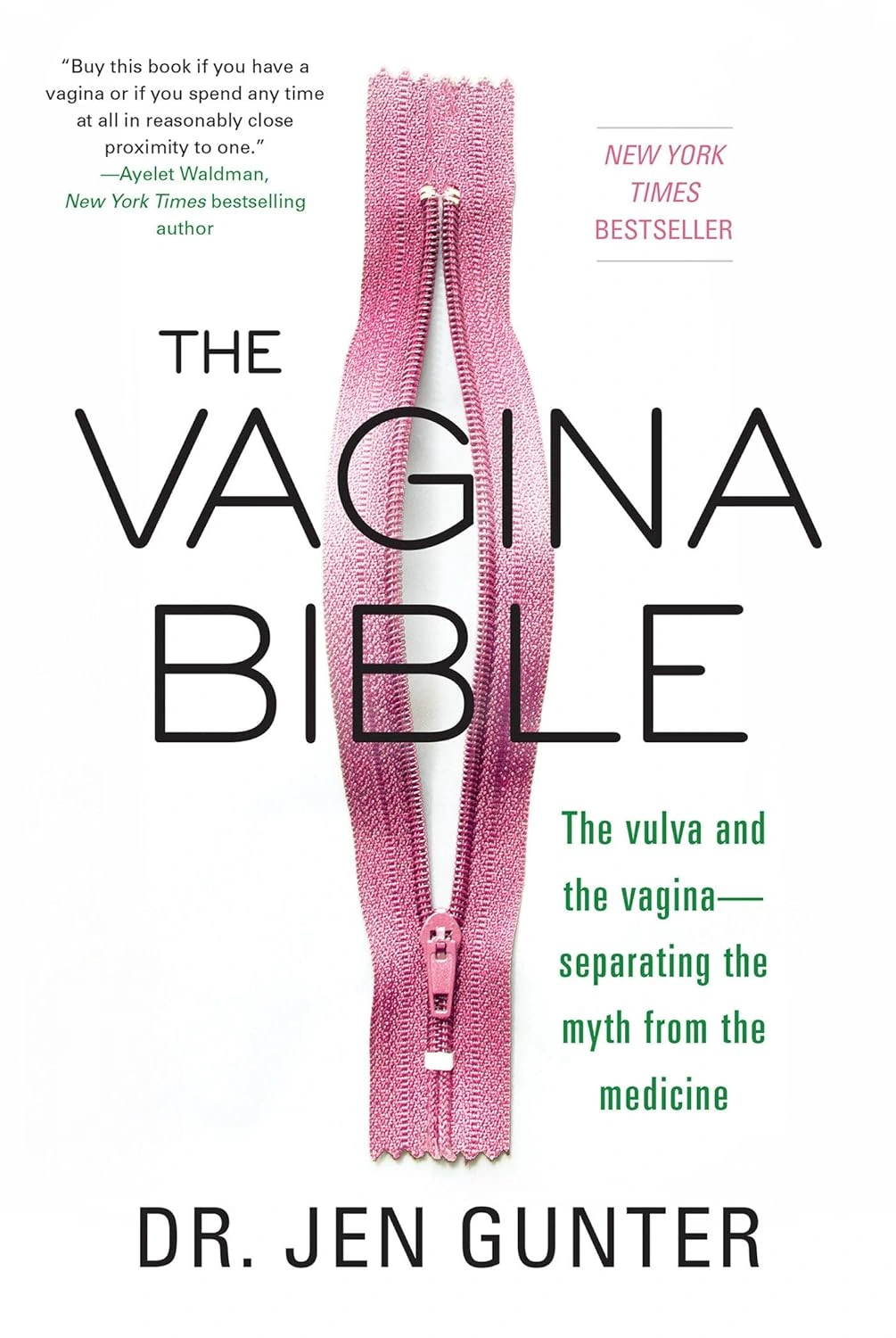
A myth-busting, science-led guide to vulvar and vaginal health across life stages. Gunter explains anatomy, common symptoms, tests, and treatments in plain language, helping readers distinguish evidence from marketing and approach intimate health conversations with more confidence.
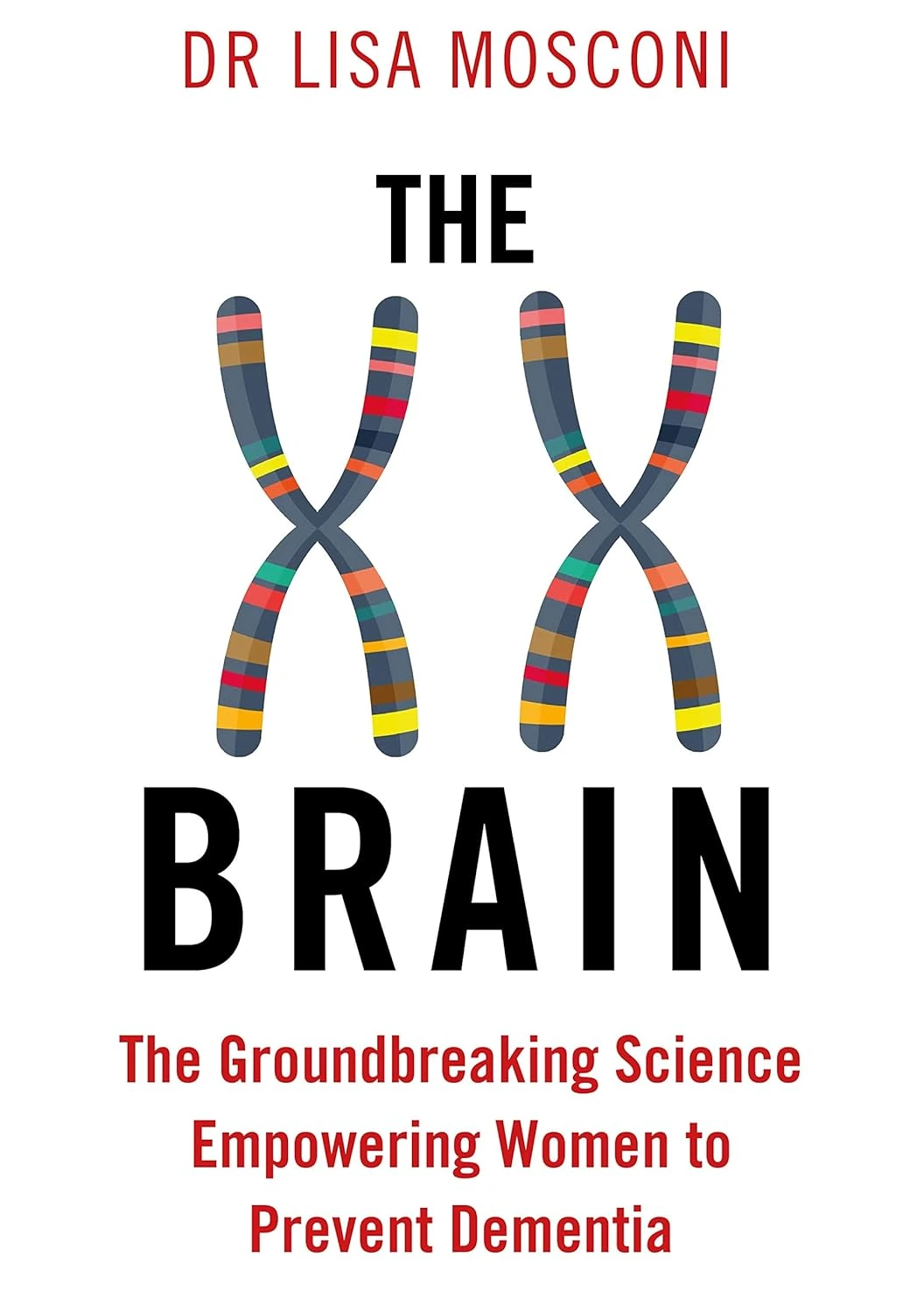
A research-based exploration of women’s brain health across hormones, sleep, stress, metabolism, and aging. Mosconi explains why female risks and experiences can differ, while translating complex neuroscience into practical questions about cognition, emotional balance, and long-term prevention.
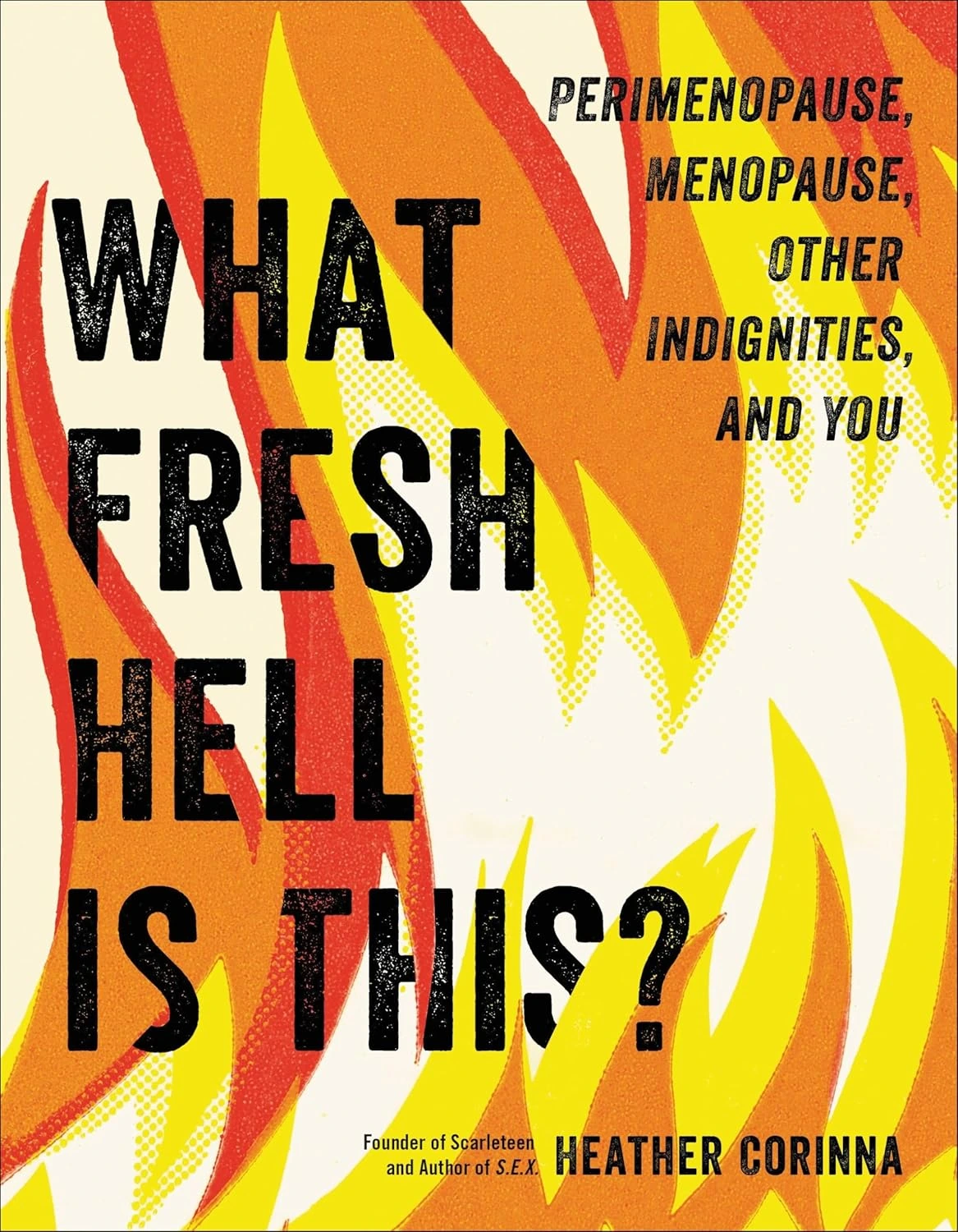
Corinna delivers an inclusive, irreverent account of perimenopause and menopause through health information, history, and cultural criticism. The book explains what may change, why experiences differ, and how readers can seek care without being reduced to gender, body type, or stereotype.