
A behavior-change guide built around small improvements, environmental design, identity, cues, rewards, and repeatable systems. Clear explains how habits become easier or harder according to their context, emphasizing consistency and recovery from lapses rather than relying on motivation or dramatic goals.
Change & Transition
A popular introduction to adult attachment in romantic relationships, organized around anxious, avoidant, and secure patterns. Levine and Heller connect closeness, dependence, conflict, and partner selection with attachment needs, while the categories are most useful as flexible tendencies rather than permanent diagnoses.
Daughtry focuses on the daily architecture of parenting across two homes: communication, schedules, holidays, new partners, conflict, and child-centered decisions. The aim is dependable cooperation and clear boundaries, not forced friendship, emotional closeness, or agreement on every issue.
Woodward Thomas offers five steps for moving through separation with less blame, retaliation, and lasting damage. Emotional reflection, personal responsibility, practical restructuring, and future-oriented healing matter especially when children or shared family ties prevent a clean emotional break.
A practical framework for discussing subjects that trigger defensiveness, hurt, or fear. The authors separate facts, intentions, feelings, identity, and contribution, showing how to prepare, listen, and speak clearly without reducing a complex disagreement to blame or a contest over who is right.
A relationship workbook structured around eight conversations about trust, conflict, sex, money, family, play, spirituality, and shared dreams. The Gottmans combine research, questions, and date plans to help couples renew curiosity and discuss recurring differences without requiring total agreement.
A warm, clear-eyed romance about widowhood, secrecy, friendship, and rebuilding after a marriage that was not what others believed. Holmes pairs Evvie with a professional pitcher who has lost his game, allowing two adults to move toward honesty without making love a shortcut around grief.
A humorous sociological investigation of dating in the age of texting, apps, and abundant choice. Ansari and Klinenberg compare generations and cultures, showing how technology changes courtship while leaving familiar needs—attention, respect, attraction, and meaningful connection—surprisingly intact.
A memoir and psychology guide about grief, adversity, resilience, and post-traumatic growth. Sandberg describes life after her husband’s sudden death while Grant contributes research on support, self-compassion, meaning, and rebuilding, without claiming every loss produces a stronger person.
An attachment-based guide to making and sustaining adult friendship through initiative, vulnerability, affection, conflict, and consistency. Franco challenges the idea that friendship should happen effortlessly or rank below romance, showing how secure connection can be built deliberately across changing stages of life.
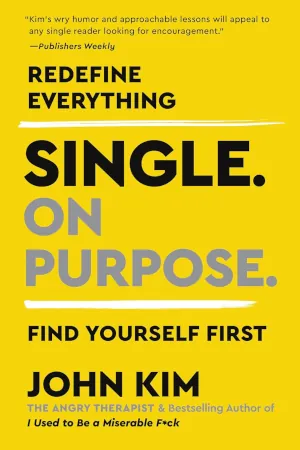
Kim treats singlehood as a meaningful life phase rather than a waiting room for partnership. Therapy, memoir, identity work, boundaries, health, purpose, and community support a life that can welcome romance without depending on it for rescue.
A post-pandemic novel about art, memory, civilization, and the objects people carry after catastrophe. Mandel moves across timelines and connected lives, asking why survival alone is insufficient and how performance, friendship, and story preserve identity after familiar structures disappear.
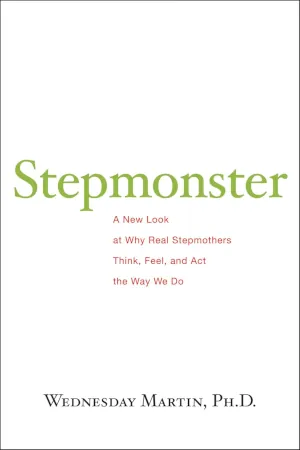
A research-informed and candid account of stepmotherhood, combining memoir, interviews, cultural expectations, and stepfamily dynamics. Martin examines loyalty binds, outsider status, power, resentment, and unrealistic maternal ideals while emphasizing the biological parent’s responsibility for family structure and discipline.
Perry traces how parents’ own childhood experiences surface in ordinary family moments. Through emotional awareness, repair, apology, and clearer boundaries, she shows how adults can interrupt inherited patterns without turning parenting into blame, perfectionism, or endless self-analysis.
Patchett’s novel follows Danny and Maeve from childhood expulsion through decades of loyalty, fixation, and changing family alliances. The Dutch House becomes both physical place and psychological inheritance, revealing how memory can preserve love while narrowing what forgiveness is allowed to mean.
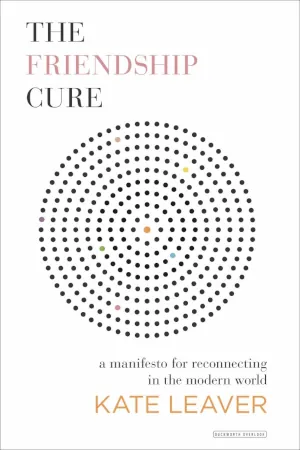
Leaver investigates friendship as a health, cultural, and relational issue rather than a pleasant extra. Research and personal accounts examine loneliness, digital connection, intimacy, and maintenance, arguing that adult friendship deserves the seriousness usually reserved for romance and family.
A guide to wholehearted living through authenticity, self-compassion, resilience, gratitude, creativity, rest, play, meaningful work, and belonging. Brown organizes the book around letting go of perfectionism, comparison, anxiety, and social expectations while cultivating practices that support genuine participation.
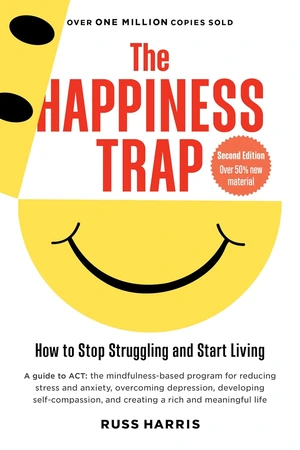
An accessible introduction to Acceptance and Commitment Therapy built around defusion, acceptance, values, present-moment awareness, and committed action. Harris challenges the pursuit of constant positive feeling, helping readers reduce struggle with thoughts while still moving toward a meaningful life.
Gottman shows how emotional connection grows through small bids for attention in romance, family, friendship, and work. The repeated choice to turn toward, away, or against another person gradually shapes trust, intimacy, responsiveness, and the felt safety of a relationship.
Brooks describes a second life phase organized around vocation, family, philosophy or faith, community, and service rather than achievement alone. Personal reflection and social commentary frame deeper commitment as an answer to success that has become emotionally insufficient.
Deal describes the distinctive pressures of blended families: loyalty conflicts, discipline, ex-partners, couple unity, grief, and the biological parent’s role. His slow-cooker metaphor replaces fantasies of instant blending with gradual trust, realistic expectations, and patient family formation.
Perel examines infidelity without simplifying betrayal, desire, or repair. Drawing on clinical stories, she explores secrecy, identity, longing, and the meaning couples attach to an affair—offering language for understanding what happened and what rebuilding or leaving may require.
A structured guide for people trapped in relationship ambivalence. Kirshenbaum uses diagnostic questions about safety, respect, affection, shared pleasure, recurring harm, and realistic prospects for change, helping readers move beyond endless pros-and-cons lists toward a clearer assessment of the relationship’s future.
Part memoir, part declaration, this book examines the cost of performing the life others expect. Doyle connects identity, motherhood, faith, love, and courage, inviting readers to notice where self-abandonment has become normal—and where a more honest life might begin.