Safer teams, sharper minds and less brain fog
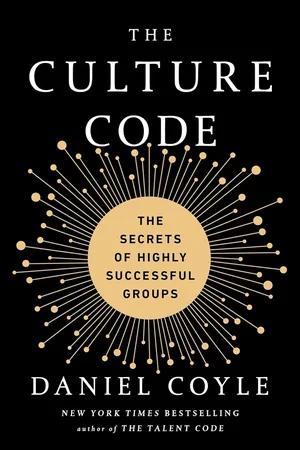
Women with substantial experience often know that team performance depends on more than talent or strategy. Coyle identifies belonging cues, shared vulnerability, and clear purpose as patterns in groups that cooperate under pressure. Brain fog may affect confidence or processing speed, but psychological safety reduces the cognitive burden of hiding uncertainty, decoding status, and protecting oneself from humiliation. Against the pressures of midlife, the book helps separate individual performance from environmental conditions. Good teams make it easier to ask questions, admit mistakes, and contribute knowledge. Culture is not a slogan; it is the repeated signal that people are safe, connected, and working toward something understood.
About Daniel Coyle
Daniel Coyle spent years visiting groups from Pixar to the San Antonio Spurs and Navy SEALs, learning to notice small signals he had previously missed. He describes the research as acquiring a new language of safety, vulnerability, and shared purpose.


Some links may be affiliate links. This does not affect our editorial selection.