Digital overload, anxiety and modern brain fog
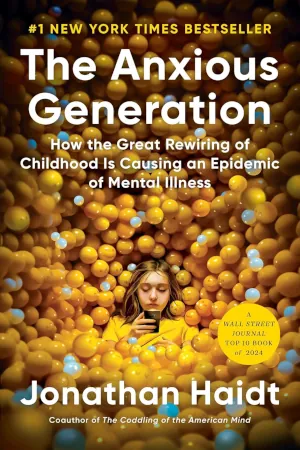
Many women are parenting teenagers while also noticing how digital life fragments their own attention. Haidt argues that a shift from play-based to phone-based childhood has affected sleep, friendship, independence, anxiety, and development, especially for girls. Constant interruption, sleep loss, and conflict around devices can intensify brain fog for parents and adolescents, even while the book’s main focus remains youth mental health. At a point when priorities are shifting, the practical value lies in collective action: phone-free schools, later social media, more real-world play, and device-free bedrooms. The strength of particular causal claims remains debated, so the book works best as an urgent case examined alongside wider evidence.
About Jonathan Haidt
Jonathan Haidt applies his recommendations at home: his teenage daughter has had a smartphone without social media and reported being glad to avoid Instagram’s pressures. He has also acknowledged wishing he had enforced a strict no-screens-in-bedrooms rule earlier.

Some links may be affiliate links. This does not affect our editorial selection.