Abstract circular symbol in soft teal and sand tones representing change and life transitions.

Change & Transition

Change in midlife can arrive quietly — a restlessness, a reshuffle of priorities, a sense that what once fit no longer does. Transition is the lived in-between: the season where the old identity loosens before the new one fully forms. Together they name the brave middle — where life is moving, even when you can’t yet describe where it’s going.

Today’s wink:

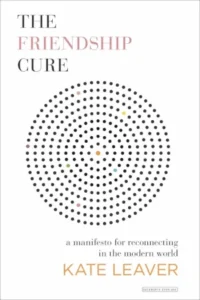
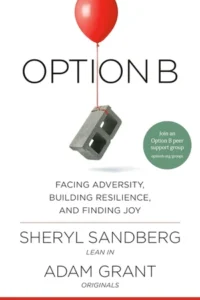
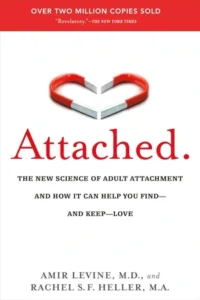
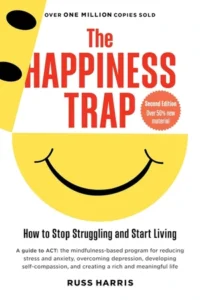
Book picks for reflection & discussion

Orientation — Why Change Hits Differently in Midlife

Few transitions in life arrive neatly packaged. In midlife, change more often unfolds quietly — through small disruptions that accumulate over time. A role begins to feel restrictive, the body introduces new limits, a relationship subtly shifts, or the future no longer resembles the version once imagined. Even changes that are welcome can feel unsettling when they interrupt a familiar sense of self.

What makes this phase distinct is how many layers tend to move at once. Responsibility, work, family, health, and long-held expectations intersect, creating a tension between the desire for stability and the awareness that something is no longer aligned. It is not always clear what needs to change — only that staying the same no longer feels possible.

Within Change & Transition, this experience is approached as a passage rather than a problem. The emphasis is not on reinvention or starting over, but on recognising what is loosening, what is being questioned, and what is gradually re-forming. This category offers space to acknowledge uncertainty, understand what transition is asking, and move forward with presence and steadiness instead of urgency or panic.


The Lens — How Change Connects Across Midlife

This category is anchored in Meaning & Direction, with natural connections to other core midlife dimensions:

  • Emotion ↔ Meaning
    Shifts often stir grief, fear, relief, or guilt — responses that reflect the impact of change on identity and belonging rather than personal weakness.
  • Meaning ↔ Body
    Transition rarely stays abstract. It can register physically through disrupted sleep, fatigue, tension, appetite changes, or a nervous system that feels constantly alert.

Viewed through this lens, change is not something to manage more effectively. It is a life event that calls for orientation, emotional honesty, and physical regulation while a new chapter is still taking shape.

Change becomes inhabitable ...

Exploration — Moving Through Transition With Steadiness

When the old no longer fits and the new hasn’t fully arrived.

Midlife Health Studio approaches transition through storytelling that respects complexity rather than simplifying it. Attention is given to the quieter moments: recognising when something has been outgrown, sitting with uncertainty, and navigating the space between what is ending and what has not yet arrived.

Change & Transition is explored as both inner and outer movement — shifts in identity, relationships, priorities, and capacity that do not happen all at once. The focus is on what helps women remain grounded while things are in flux, without rushing to label outcomes as success or failure. Rather than mastering change, this category supports developing a steadier relationship with it — noticing what is asking to be released, what is emerging, and what needs time.

... when resistance eases ...

Some women explore these themes privately, through reading and reflection. Others prefer to follow how ideas evolve through shared conversation — in book clubs, podcasts, and ongoing dialogue. Both belong in our community.

Questions women often ask before choosing a book

Because “fine” can still mean outgrown. Midlife often sharpens awareness of what no longer fits — routines, roles, relationships, even the pace you once accepted without question. That mismatch can surface as restlessness rather than a clear problem. Many women experience this not as dissatisfaction, but as information: a quiet signal that something inside has shifted before the outside has caught up.

Change is the visible event — the move, the ending, the promotion, the health shift. Transition is the internal process that follows: the in-between season where old identities loosen and new ones haven’t fully formed yet. Transition is often quieter and harder to name, which is why it’s underestimated. In midlife, this inner adjustment is frequently what determines whether a change feels integrating or destabilizing.

Look for a book that respects uncertainty rather than trying to resolve it too quickly. Many women find support in picks that name the middle — reflective, steady, and patient with ambiguity. Story-led books often feel especially companionable here because they don’t pretend transitions are tidy. A good choice won’t push you forward; it will help you stay present while something new is taking shape.

The Midlife Books Library  is designed for fast orientation. Each title has a short description (about 30 words), making it easy to scan tone and focus without committing to long blurbs. It’s useful when you want to shortlist a few options that match your current stage — thoughtful, grounding, or gently exploratory — and then step away once something resonates.

They live on Behind the themes — our reference shelf for background reading, research links, and external resources that inform how categories and selections are shaped. It’s intentionally separate from the main pages, so you can explore the thinking behind the lens if you want, without interrupting the reflective flow of the category itself.

Continue if this feels helpful

Checkboxes
Checkboxes

... and transition gains meaning.

Scroll to Top