Abstract symbol of three softly colored forms resting together, representing community and mutual support.

Community & Support

Community in midlife often looks different than it used to: smaller circles, deeper needs, less time for surface connection. Support is what turns connection into safety — practical help, emotional steadiness, someone who can hold your truth without fixing it. Together they remind you that independence is powerful, but it was never meant to be lonely.

Today’s wink:

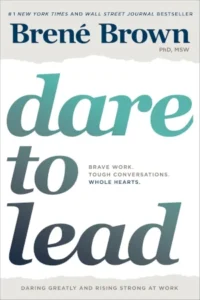
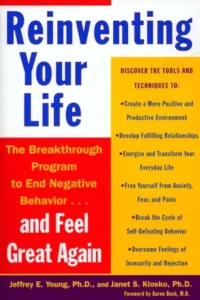
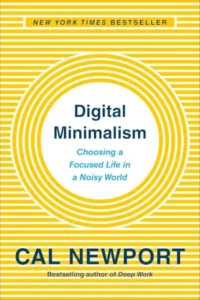
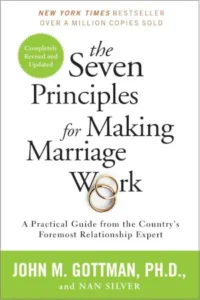
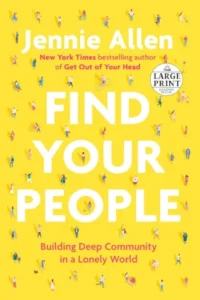
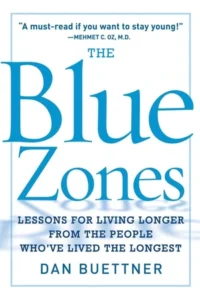
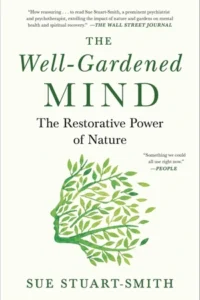
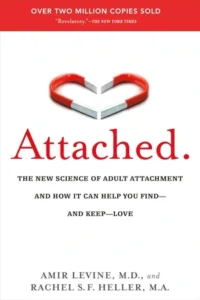
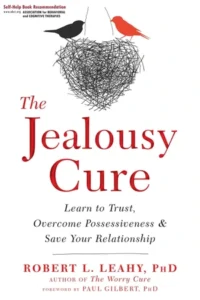
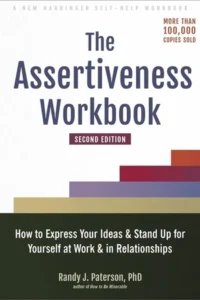
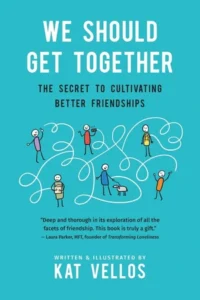
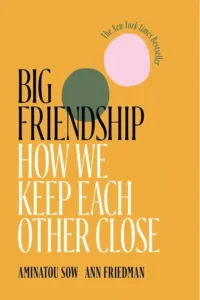
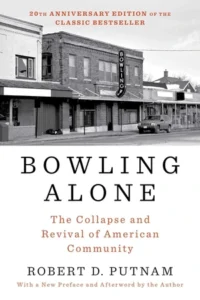
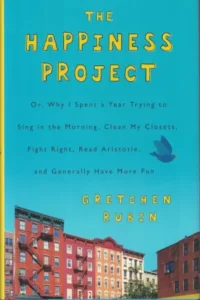
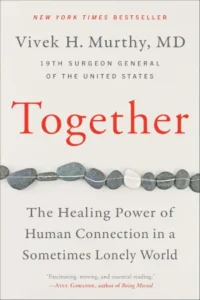
Book picks for reflection & discussion

Orientation — Why Connection Changes in Midlife

Connection rarely disappears in midlife, but it often changes form. Relationships that once felt effortless can begin to shift as lives diverge, responsibilities deepen, and emotional capacity is reassessed. Friendships may thin out, family dynamics evolve, and familiar sources of support no longer function in the same way — even without a clear rupture or conflict.

At the same time, many women become more discerning about what connection actually provides. Being surrounded by people does not necessarily translate into feeling supported. There is often a growing awareness of the difference between presence and reciprocity, between contact and care. As expectations change, so does the desire for spaces where honesty and complexity are allowed rather than smoothed over.

Community & Support, in this stage of life, is less about availability and more about reliability. It concerns the experience of being emotionally and practically held during periods of change, responsibility, and reflection. This category creates space to explore belonging without idealising closeness or dismissing loneliness — recognising that support is not a fixed structure, but something that evolves alongside the women who need it.


The Lens — How Support Connects Across Midlife

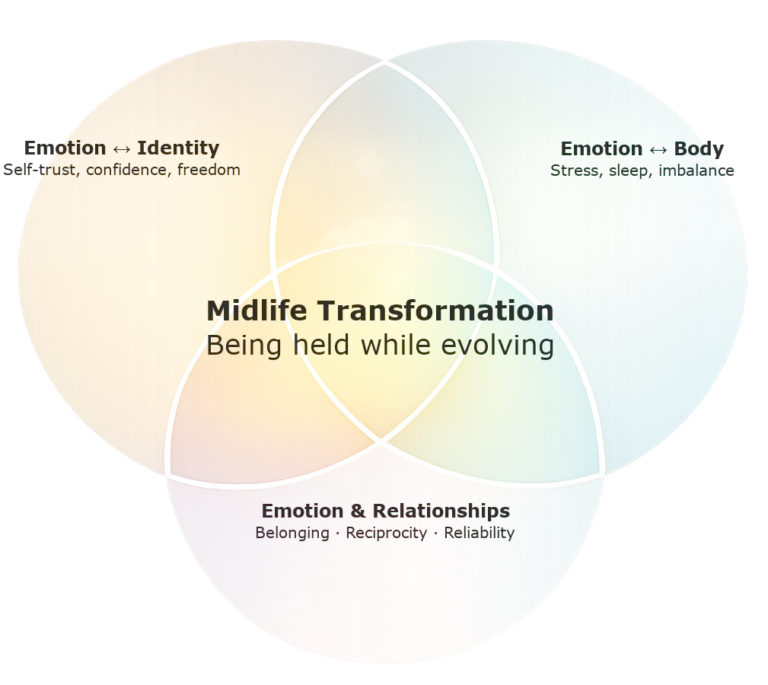
This category sits primarily within Emotion & Relationships, while intersecting with other core midlife dimensions:

  • Emotion ↔ Identity
    Feeling supported influences self-trust, confidence, and the freedom to change. Prolonged isolation can quietly undermine a sense of self.
  • Emotion ↔ Body
    Support — or its absence — often registers physically through heightened stress, disrupted sleep, or nervous-system imbalance.

Viewed through this lens, community is not a social extra. It acts as a stabilising force that shapes how women navigate change, make decisions, and sustain themselves over time.

Belonging strengthens ...

Exploration — What Belonging Looks Like Now

Between connection, independence, and the need to be held.

Midlife Health Studio explores support through lived stories rather than ideals. Attention is given to the realities of adult friendship, shifting family roles, asking for help, setting boundaries, and finding connection in unexpected places.

Community & Support is approached with realism and respect for nuance. There is room for grief over lost closeness, uncertainty about where one belongs, and curiosity about how support can be rebuilt or redefined. Rather than offering formulas for connection, this category holds space for recognition and shared experience — acknowledging that meaningful support is often quieter, less visible, and more subtle than cultural narratives suggest.

... when support is not earned ...

Some women explore these themes privately, through reading and reflection. Others prefer to follow how ideas evolve through shared conversation — in book clubs, podcasts, and ongoing dialogue. Both belong in our community.

Questions women often ask before choosing a book

Because life structure changes. Work demands, caregiving, health shifts, moves, divorces, and new relationships all reshape how time and energy are distributed. Midlife often reveals which connections are truly mutual and which were sustained by circumstance or habit. That realization can feel tender, even painful, but also clarifying. Many women find that changing friendships reflect changing capacities — not personal failure or social decline.

Community is belonging — the sense of being part of a circle or shared space. Support is function — emotional steadiness, practical help, someone showing up when it matters. You can have one without the other. In midlife, the gap between them often becomes more visible. Naming the difference helps clarify what you’re actually longing for: connection, reliability, or a mix of both.

A strong match is a book that holds both needs without judgment. Many women respond best to picks that explore boundaries and belonging together, rather than pushing constant social expansion. The most helpful books here validate solitude and connection as equally human needs. If a book frames loneliness as something to “fix,” it often misses the nuance of midlife social reality.

Yes. Community & Support works well for groups because it invites reflection without requiring oversharing. Discussions can stay grounded in stories, patterns, and shared observations rather than personal disclosures. The right book helps people recognize experiences without feeling exposed, which often makes conversation richer and safer — especially in long-running or mixed-comfort book clubs.

The Midlife Books Library allows for quick comparison through short descriptions, helping you sense tone and relevance without reading full reviews. It’s especially useful when balancing different preferences in a group — reflective versus practical, personal versus observational — and arriving at a shortlist that feels accessible and discussable for everyone involved.

Continue if this feels helpful

Checkboxes
Checkboxes

... and community feels reciprocal.

Scroll to Top