Abstract symbol of two overlapping forms in soft teal and sand tones, representing love and relationships.

Love & Relationships

Love in midlife often becomes clearer — less about chasing, more about choosing what actually feels safe and true. Relationships are the wider web around that love: partners, friends, family, and the patterns that either nourish or drain you. Together they reveal a midlife reality: connection matters more than ever — and so do boundaries.

Today’s wink:

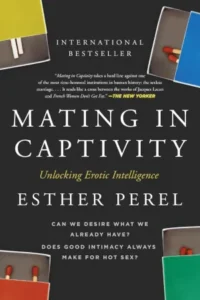
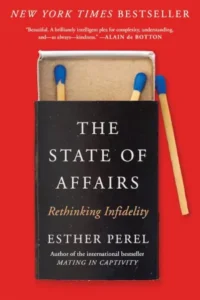
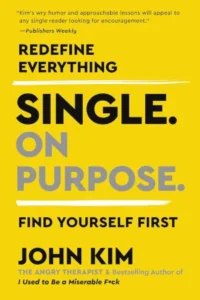
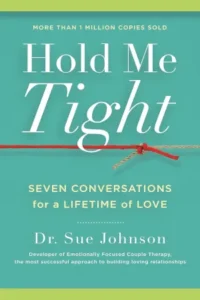
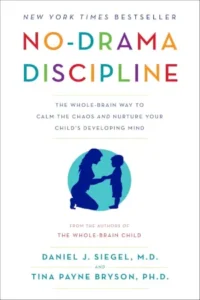
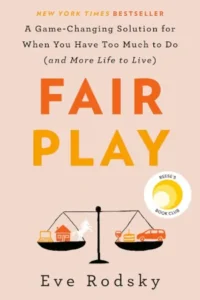
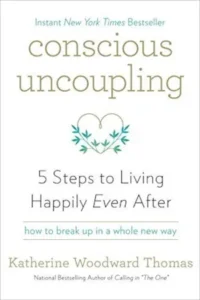
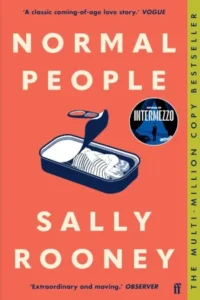
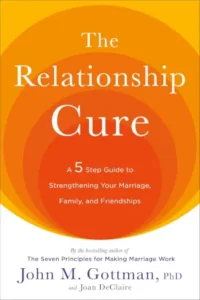
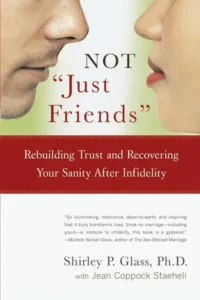
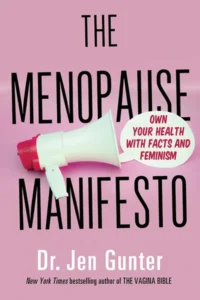
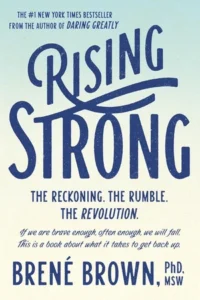
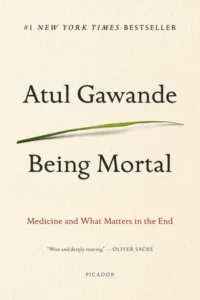
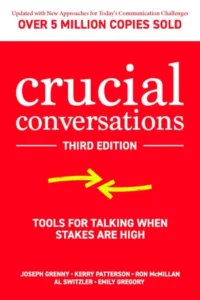
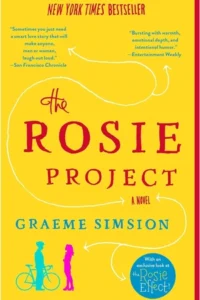
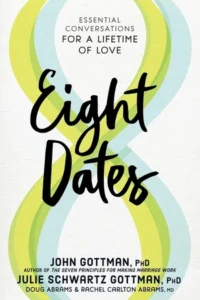
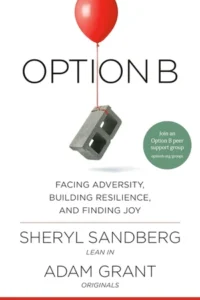
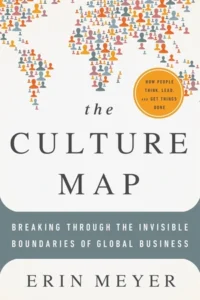
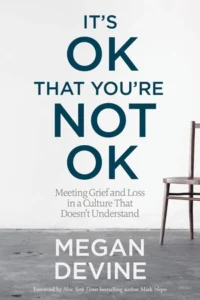
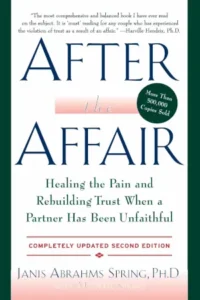
Book picks for reflection & discussion

Orientation — When Connection Becomes More Honest

Few areas of life expose change as clearly in midlife as relationships. Over time, dynamics that once felt workable can begin to feel misaligned — not because something is broken, but because emotional tolerance shifts. Patterns that were easy to overlook may start asking for attention.

As experience deepens, many women become more aware of how they give, receive, adapt, and protect themselves in connection with others. Long-standing relationships can feel both familiar and unexpectedly demanding. Friendships may change in intensity or relevance. Family roles evolve, and expectations that once went unquestioned can start to feel heavier or less fitting.

At this stage of life, Love & Relationships moves away from maintaining appearances and toward emotional truth. Attention turns to recognising which connections nourish, which deplete, and which require renegotiation or release. This category makes space for intimacy, distance, care, and responsibility without idealising harmony or treating difficulty as failure. Relationships are understood as living arrangements — shaped over time by honesty, mutual capacity, and the ability to change together or apart.


The Lens — Relationships as Emotional Infrastructure

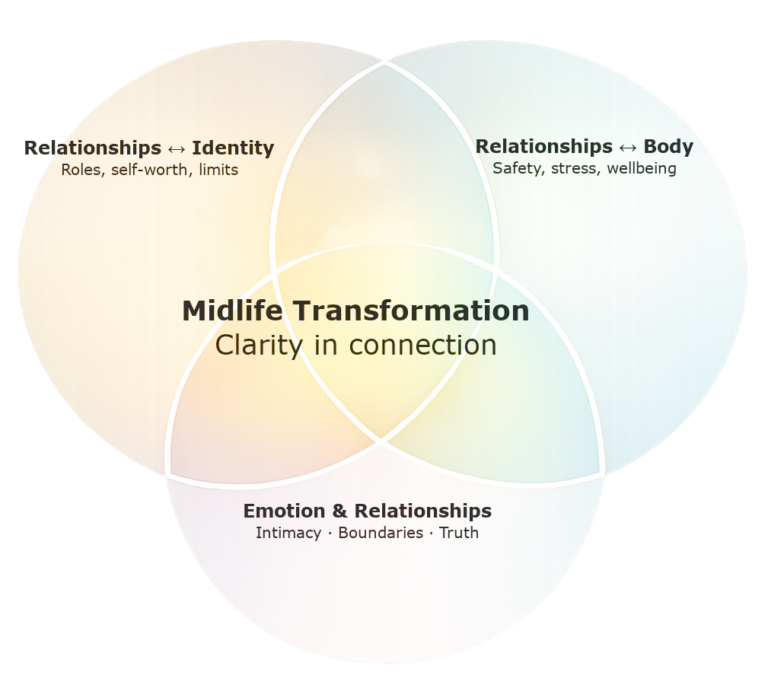
This category sits firmly within Emotion & Relationships, while intersecting with other midlife dimensions:

  • Relationships ↔ Identity
    Shifts in connection often raise questions about self-worth, boundaries, and roles — especially when long-standing patterns of care or obligation change.
  • Relationships ↔ Body
    Emotional safety, unresolved tension, or ongoing conflict can influence stress responses, energy levels, and physical wellbeing.

Viewed through this lens, relationships function as emotional infrastructure. They quietly shape stability, resilience, and the ability to move through change

Connection grows quieter ...

Exploration — Understanding Relationships as They Are

Staying honest in connection, even when dynamics shift.

Love and relationships are treated here as lived experience rather than ideals to meet. Attention is given to how women navigate closeness and distance, loyalty and resentment, responsibility and self-protection — often all at once.

This category holds complexity without rushing toward resolution. It allows space for relationships that are loving but limiting, supportive yet demanding, or deeply meaningful while still requiring change. Instead of focusing on fixing connections, the emphasis is on understanding patterns, emotional awareness, communication, and self-responsibility as skills that continue to develop over time.

The focus remains on clarity rather than correction — and on understanding oneself within relationships as much as understanding the relationships themselves.

... when effort falls away ...

Some women explore these themes privately, through reading and reflection. Others prefer to follow how ideas evolve through shared conversation — in book clubs, podcasts, and ongoing dialogue. Both belong in our community.

Questions women often ask before choosing a book

Because clarity often replaces endurance. Midlife can sharpen awareness of what feels nourishing and what quietly drains you — especially as stress, caregiving, health, or life transitions reshape your capacity. Many women don’t become less loving; they become less willing to carry imbalance. Relationship needs shift not because you’ve hardened, but because you’ve learned what it actually costs to stay connected in ways that aren’t mutual.

Love is the feeling and bond — attachment, care, desire, and commitment. Relationships are the structures around love: communication, boundaries, patterns, family systems, and shared history. In midlife, these two don’t always align. You can love deeply and still need different structures. Together, Love & Relationships hold both the heart and the reality — without forcing one to override the other.

Look for books that frame boundaries as care rather than conflict. Many women respond best to choices that honor clarity and kindness at the same time, without turning relationships into scorekeeping. A good midlife pick doesn’t encourage cutting people off impulsively; it helps you hold your ground with dignity, language, and self-respect. If a book feels shaming or extreme, it rarely supports real-life relationships well.a

Yes. Love & Relationships works well for groups when discussion stays anchored in ideas, stories, and recognizable patterns rather than personal disclosure. The right book invites insight without requiring anyone to share more than they wish. Many clubs find this theme creates thoughtful conversation precisely because people relate differently — and those differences become the richness, not something to resolve.

The Midlife Books Library is designed for fast orientation: each title has a short description so you can compare tone and angle without committing to long summaries. It’s especially helpful for book clubs trying to balance different preferences — practical, story-led, gentle, or direct — and arrive at a pick that feels discussable rather than divisive.

Continue if this feels helpful

Checkboxes
Checkboxes

... and relationship feels mutual.

Scroll to Top