Abstract circular symbol in soft sand and teal tones with a flowing line, representing joy and playfulness.

Joy & Play

Joy in midlife can feel oddly distant — not gone, just buried under responsibility and noise. Play is the doorway back: lightness without justification, pleasure without productivity, laughter that doesn’t need a reason. Together they bring back a forgotten rhythm: the more life asks of you, the more you need what restores you.

Today’s wink:

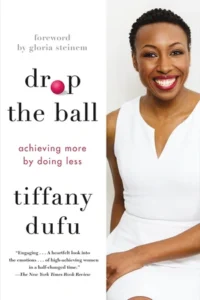
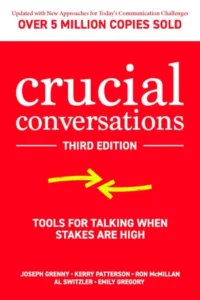
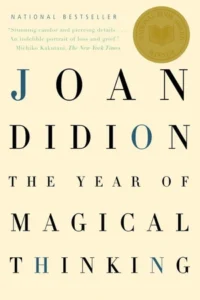
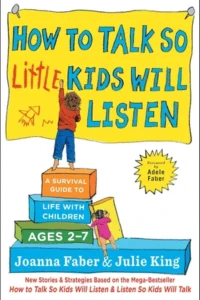
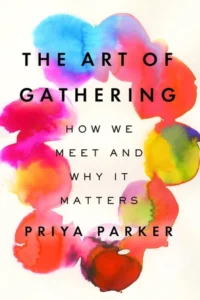
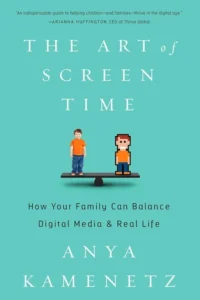
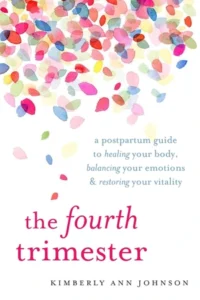
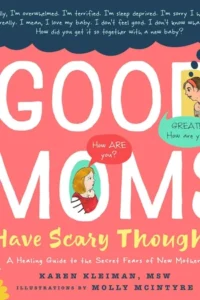
Book picks for reflection & discussion

Orientation — Why Joy Feels Different in Midlife

Joy doesn’t usually vanish in midlife — it gets crowded. Responsibilities expand, time feels less elastic, and pleasure can start to look optional, even when it’s quietly essential. Many women notice that lightness arrives less spontaneously, not because they’ve changed for the worse, but because everyday life leaves fewer open spaces where joy can land.

What also changes is discernment. Certain pleasures lose their sparkle, while smaller moments begin to matter more: a deep breath that feels like relief, laughter that softens the body, creativity that wakes something up, rest that doesn’t come with guilt. Joy becomes less about excitement and more about aliveness — the sense of being present, open, and connected to something real.

Joy & Play holds this territory without turning it into performance. It isn’t escapism and it isn’t forced positivity. It is a counterbalance to pressure and seriousness — a way of remembering that pleasure, curiosity, and play are not rewards for finishing everything else. This category creates room to notice what brings lightness now, and to treat joy as a sustaining force rather than a luxury.


The Lens — How Joy Interacts Across Midlife

This category is anchored in Emotion & Relationships, and it naturally overlaps with other core midlife dimensions:

  • Emotion ↔ Body
    Playfulness influences the nervous system, shaping energy, tension, and physical ease.
  • Emotion ↔ Identity
    Moments of joy often reconnect women with parts of the self that were sidelined, supporting authenticity and self-expression.

Seen through this lens, joy isn’t trivial. It plays a meaningful role in emotional regulation, resilience, and long-term vitality.

Joy returns quietly ...

Exploration — Making Space for Lightness and Ease

Making Space for Lightness and Ease

Joy is treated here as something lived rather than pursued. Attention is given to how women notice pleasure, creativity, rest, and play as they actually show up in daily life — often quietly, and often without obvious purpose. The emphasis is on recognising these moments rather than adding more activities or expectations.

This category also acknowledges how complicated joy can feel in midlife. Many women carry unspoken rules about productivity, usefulness, or emotional restraint that make pleasure feel indulgent or undeserved. By slowing down these assumptions, space opens up for curiosity, lightness, and play without justification.

Rather than framing happiness as a goal, Joy & Play focuses on presence — the small experiences that soften stress, reconnect the body and mind, and restore a sense of ease. These moments do not erase responsibility or difficulty, but they help create balance within it, supporting emotional wellbeing across changing life circumstances.

... once pressure steps aside ...

decoration-category-1

Some women explore these themes privately, through reading and reflection. Others prefer to follow how ideas evolve through shared conversation — in book clubs, podcasts, and ongoing dialogue. Both belong in our community.

Questions women often ask before choosing a book

If you’re reading solo, choose a book that feels like a companion — clear, grounded, and easy to return to in small moments. For book clubs, choose a pick with texture: stories, dilemmas, and ideas that invite different perspectives. The best monthly choice isn’t the “perfect” book — it’s the one that creates the richest conversation. If you’re unsure, start with the featured Solo Read and Book-Club Pick; they’re designed to offer quick orientation without pressure.

Energy is capacity — the fuel you have available for your day. Vitality is aliveness — the spark that makes you want to participate in your day. You can have energy and still feel flat, or feel a spark while still tired; naming the difference can be strangely relieving. In midlife, that distinction matters because it points to what’s missing: more capacity, more aliveness, or simply a different rhythm that fits who you are now.

That “tired but wired” feeling often shows up when your system has been running on stress chemistry for too long — even if your mind wants rest. It can feel like exhaustion with an edge: a busy mind, light sleep, a body that won’t quite downshift, or energy spikes at the wrong time. Many women notice this more in midlife, when recovery changes and stress becomes more bodily. Naming it can reduce self-blame and bring clarity to the pattern.

Each category list is curated using a consistent weighing approach — relevance to the theme, readability, depth, and discussion potential. The goal is range without overwhelm: practical books alongside story-led perspectives, across different voices and styles. Some titles focus on understanding the “why,” others on shifting the felt experience, and many offer both. If you want to see what informs the lens, Behind the themes collects the background reading and external resources in one place.

Start with the two featured picks (Solo + Book Club) for quick orientation, then skim the rest only if something calls you. If you want a broader scan without effort, the Midlife Books Library lets you compare titles through short descriptions (about 30 words each), which makes it easy to shortlist a few and follow through. It’s designed for browsing in real life — between days, not as another task you have to complete.

Continue if this feels helpful

Checkboxes
Checkboxes

... and play feels safe again.

Scroll to Top